You’ve probably seen those ads. The ones that promise whole-house duct cleaning for $99 or some ridiculously low price. Maybe you’ve even called one of those companies and felt like something wasn’t right about the whole experience.
The air duct cleaning industry has a bit of a reputation problem. There are amazing companies out there doing honest work. But there are also plenty of fly-by-night operations that cut corners, overcharge for unnecessary services, or barely clean anything at all.
So how do you tell the difference? How do you know you’re getting real, professional duct cleaning and not just someone blowing a little air around your vents?
That’s where NADCA comes in. And trust us, understanding what NADCA certified means could save you money, protect your health, and help you avoid some headaches down the road.
What Is NADCA?
NADCA stands for the National Air Duct Cleaners Association. It’s been around since 1989, which means the organization has over three decades of experience setting standards for the duct cleaning industry. They’re the ones who said, “There needs to be some rules here. There needs to be a right way to do this.” And they created those rules.
NADCA has established the ACR Standard, which stands for Assessment, Cleaning, and Restoration of HVAC Systems. This is the industry benchmark. It’s what separates professional duct cleaning from the guy with a shop vac and a dream.
When a company follows NADCA standards, it’s not making it up as they go. They’re following specific protocols that have been tested, refined, and proven to work.
Why Standards Matter in Duct Cleaning
Wondering why duct cleaning even needs standards. It’s just cleaning, right?
It’s more complicated than you realize. Your HVAC system is a complex network of supply ducts, return ducts, registers, grilles, diffusers, heat exchangers, cooling coils, and more. Each component requires specific attention and specific techniques.
Without proper standards:
- Ducts can get damaged during cleaning
- Contaminants can spread to other parts of your home
- Mold and bacteria can be disturbed but not removed
- Your HVAC system efficiency can actually decrease
- You might pay for services you didn’t need
The EPA warns that improper duct cleaning can make indoor air quality worse, not better. That’s a scary thought when you’re trying to make your home healthier.
This is why working with certified duct cleaners matters for residential and commercial duct cleaning. They have the training, the equipment, and the knowledge to actually improve your air quality instead of creating new problems.
What Makes NADCA Certification Different
Not just anyone can call themselves NADCA certified. There’s a process involved. Companies and individuals have to meet specific requirements. They have to prove they know what they’re doing.
Here’s what goes into earning that certification:
- Technicians must pass a comprehensive examination
- They must demonstrate knowledge of HVAC systems and contamination sources
- They need to understand proper cleaning techniques and safety procedures
- Companies must carry appropriate insurance coverage
- Members must agree to follow NADCA’s code of ethics
- Continuing education is required to maintain certification
NADCA-certified professionals are called ASCSs, which stands for Air Systems Cleaning Specialists. These are people who have proven their expertise through testing and ongoing education.
Would you want someone working on your car who had never taken a mechanics course? Would you trust a dentist who didn’t go to dental school? Your HVAC system is a major investment. It affects your comfort and your health every single day. Why would you trust it to someone without proper training?
The NADCA Cleaning Process
So what does a NADCA-standard cleaning look like? It’s quite different from what those $99 specials typically offer.
Before Any Cleaning Begins
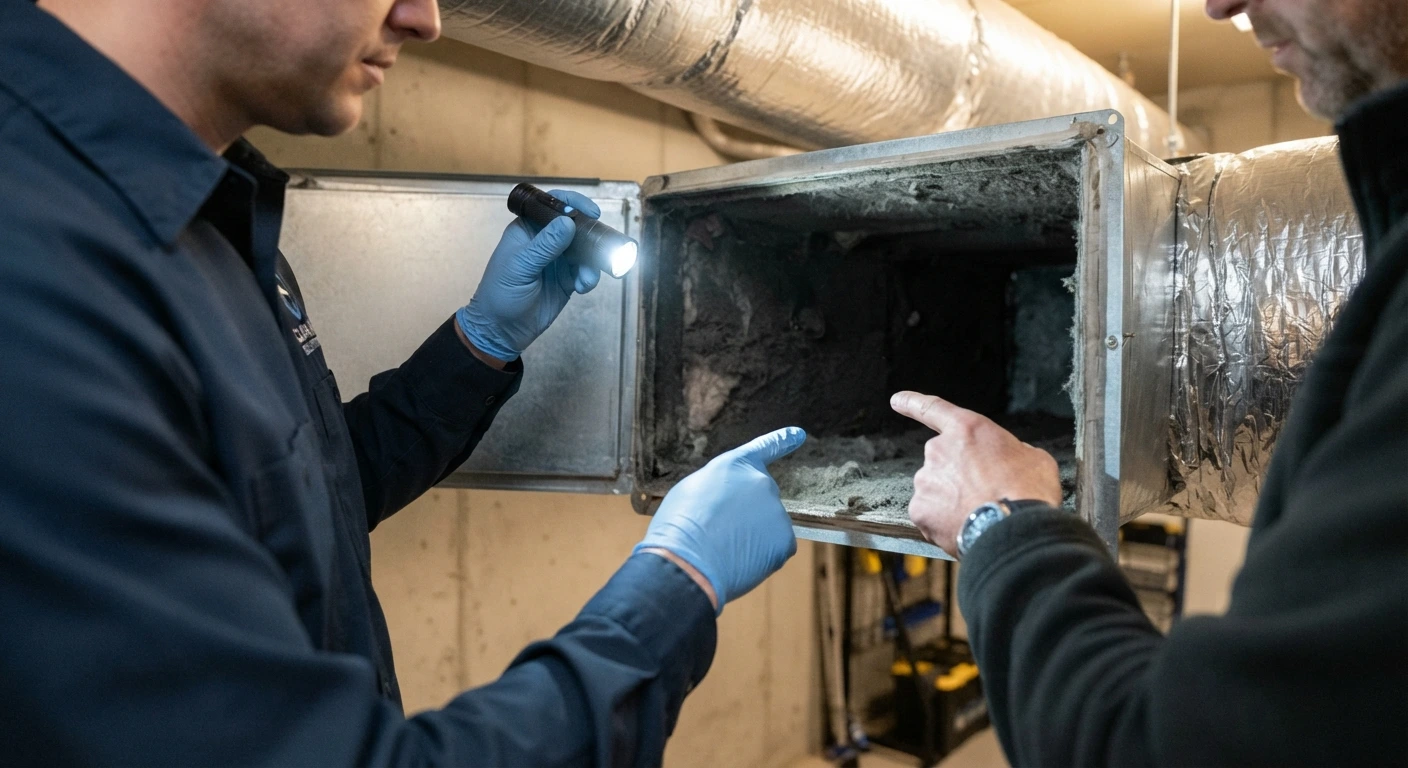
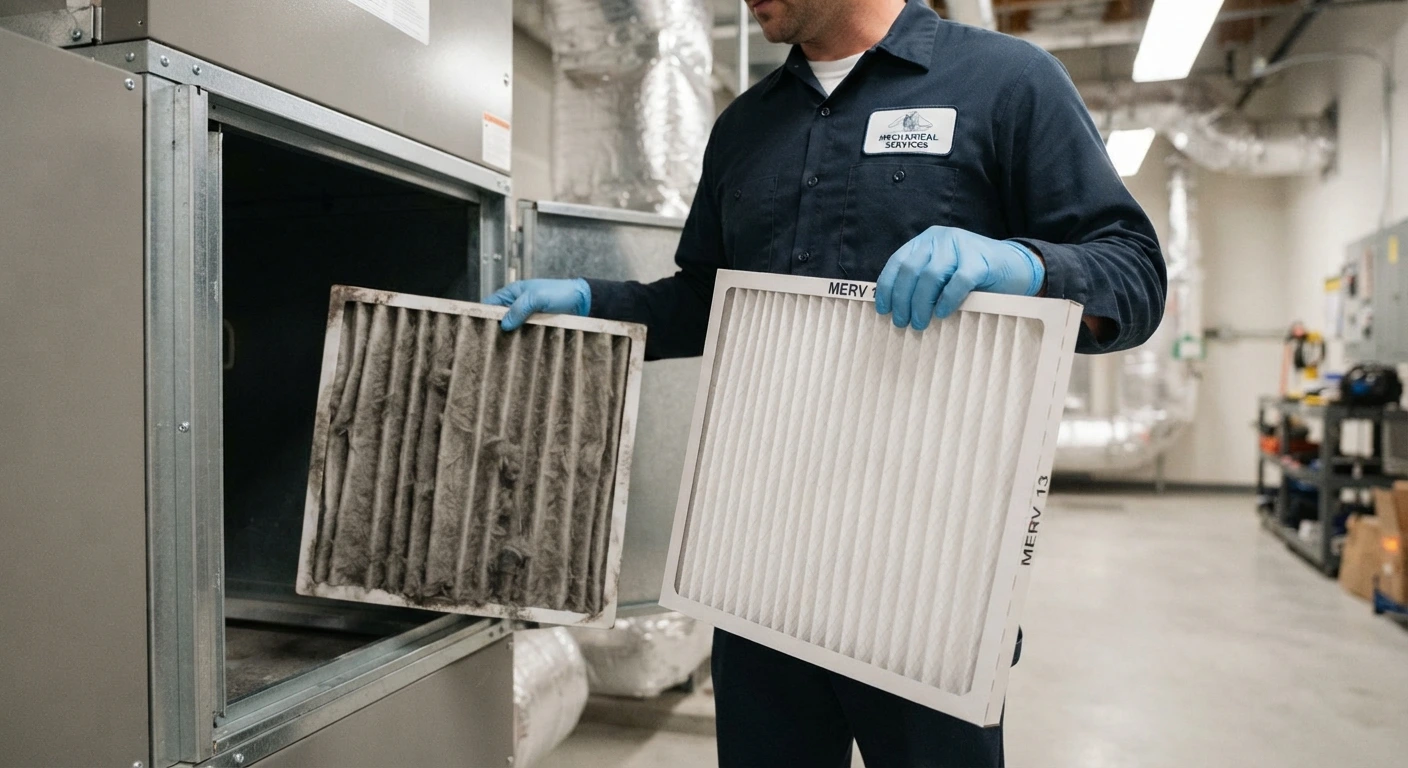
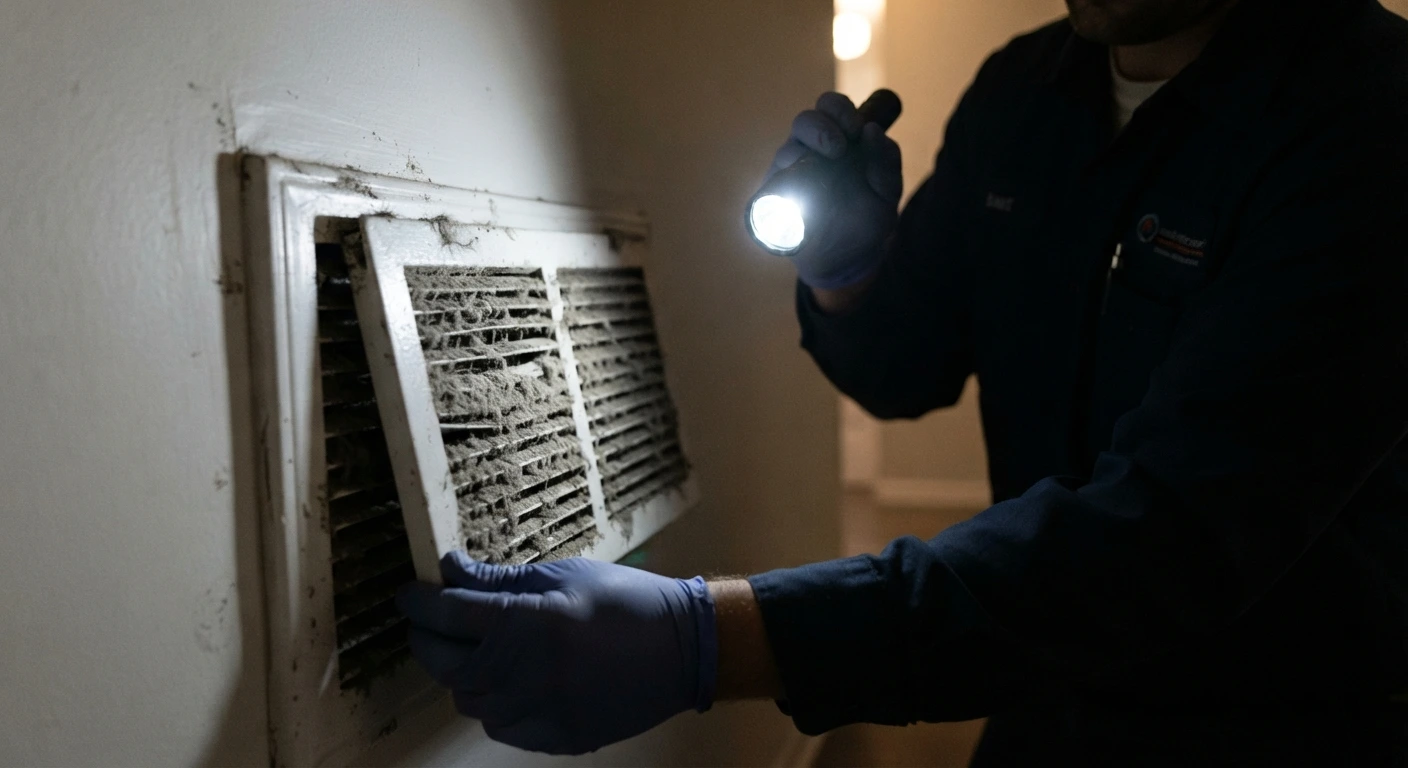
A legitimate inspection happens first. This isn’t just a quick peek into one vent. Certified duct cleaners will examine your entire system. They look at the condition of your ductwork. They check for contamination sources. They assess what actually needs to be done.
This inspection should include a visual examination and may involve cameras or other tools to see inside your ducts. If a company tries to skip this step, that’s a red flag.
The Cleaning Process
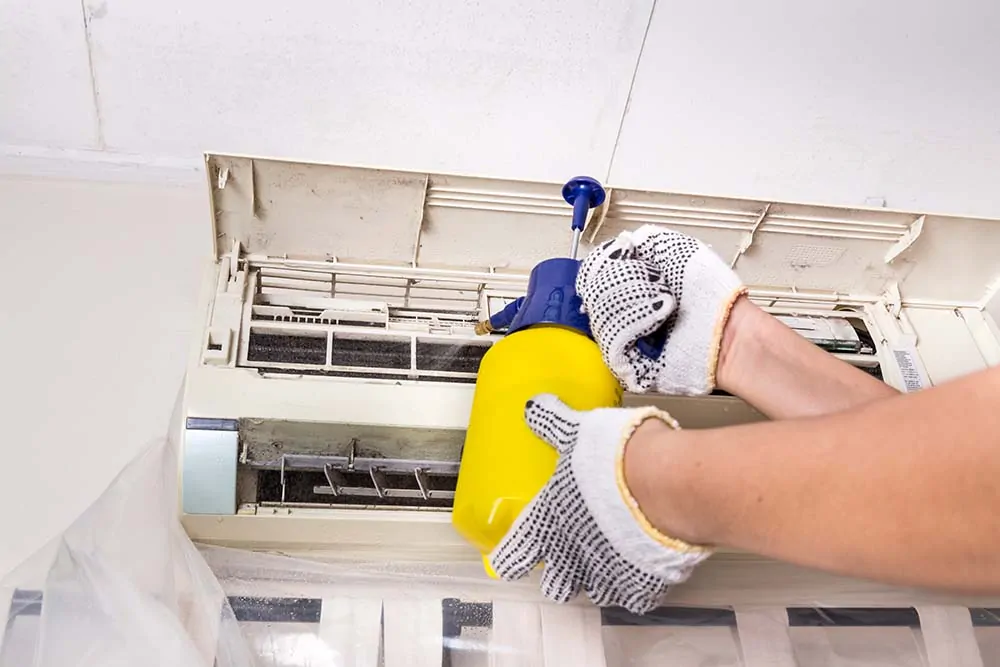
NADCA standards require source removal cleaning. This means physically removing the contaminants from your duct system. Not just knocking them loose or covering them up.
This typically involves:
- Powerful vacuum equipment that creates negative pressure
- Agitation devices to loosen debris from duct surfaces
- Access points created strategically throughout the system
- Cleaning of all components, not just the easy-to-reach areas
- Proper sealing of access points when finished
The goal is to leave your ducts cleaner than when they started. But you’d be surprised how many budget cleaners barely scratch the surface.
After the Cleaning
A real professional doesn’t just pack up and leave. They should verify that the cleaning was effective. They might show you before and after photos. They should answer your questions and explain what they found.
Certified duct cleaners will also provide documentation. This includes what was done, what was found, and any recommendations for future maintenance or repairs.
Signs You Need Your Ducts Cleaned
Not everyone needs duct cleaning right now. NADCA doesn’t recommend cleaning on a set schedule. Instead, they suggest cleaning when there’s a reason for it.
You might want to consider duct cleaning if:
- There’s visible mold growth inside your ducts or on other HVAC components
- Your ducts are infested with rodents or insects
- Ducts are clogged with excessive dust and debris
- You’ve recently completed construction or renovation work
- You notice musty or stale odors coming from your vents
- Family members are experiencing unexplained allergy symptoms
- You can see dust blowing out of supply registers
- You’ve moved into a new home and don’t know the duct history
Also Read: What causes buildup in Air Ducts and How Is It Removed
The average home produces about 40 pounds of dust per year. A good chunk of that ends up circulating through your HVAC system. Over time, it builds up. Eventually, it affects your air quality and your system’s performance.
The Health Connection
The EPA estimates that Americans spend approximately 90 percent of their time inside. That means the quality of your indoor air matters.
Your ductwork is basically the lungs of your home. Everything you breathe passes through that system multiple times a day. If your ducts are full of dust, pollen, pet dander, mold spores, or other contaminants, guess what you’re breathing?
For people with allergies, asthma, or other respiratory conditions, dirty ducts can make symptoms worse. Kids and elderly family members are especially vulnerable. Even healthy adults might notice headaches, fatigue, or irritation that they can’t explain.
This isn’t meant to scare you. But it is meant to help you understand why proper cleaning matters. Not all cleaning is equal. A cheap job that doesn’t remove contaminants isn’t protecting your family. It might just be wasting your money.
Red Flags to Watch For
Since we mentioned those low-price offers earlier, let’s talk about warning signs. How do you spot a company that isn’t following proper standards?
Watch out for these red flags:
- Extremely low prices that seem too good to be true
- No inspection before providing a quote
- High-pressure sales tactics
- Claims that duct cleaning will cure all health problems
- Refusal to provide references or proof of certification
- Unwillingness to explain their process
- No written estimate or contract
- Bait-and-switch pricing tactics
- Technicians who seem untrained or unprofessional
If something feels off, trust your gut. A reputable company will happily explain its credentials and its process. They won’t pressure you into immediate decisions. They won’t make wild health claims that sound like miracle cures.
NADCA-certified companies, such as Delta Clean Air, are held to higher standards. They risk their certification if they engage in shady practices. That accountability matters.
Questions to Ask Before Hiring
Before you hire anyone to clean your ducts, ask some questions. A legitimate company will have good answers. They won’t get defensive or try to dodge.
Here are some questions to consider:
- Are your technicians NADCA certified?
- How long has your company been in business?
- Can you explain your cleaning process step by step?
- What equipment do you use?
- Do you carry liability insurance?
- Will you provide a written estimate?
- Can you provide references from past customers?
- What’s included in the price you quoted?
Certified duct cleaners will appreciate these questions. They know their credentials set them apart. They want you to understand the difference between what they offer and what the bargain cleaners provide.
The Cost Factor
Yes, NADCA certified cleaning typically costs more than those super-cheap specials. But there’s a reason for that.
According to NADCA, the average duct cleaning for a residential home depends on factors like home size, system accessibility, and level of contamination. Those $99 offers? They’re usually missing something. Either they’ll hit you with add-ons, or they simply won’t do a thorough job.
You could buy the cheapest tires available for your car. They might last a while. They might be fine. Or they might blow out on the highway. Sometimes paying a little more up front saves you a lot of problems later.
Proper duct cleaning is an investment in your home and your health. Cutting corners on that investment doesn’t usually pay off.
How Often Should You Clean Your Ducts?
This is one of the most common questions people have. And the honest answer is that it depends.
NADCA doesn’t say you need to clean your ducts every year or every five years. Instead, they recommend cleaning when circumstances call for it. Some homes might need cleaning every few years. Others might go longer without issues.
Factors that affect cleaning frequency include:
- Pets and the amount of dander they produce
- Household members with allergies or respiratory issues
- Smoking habits in the home
- Recent renovations or construction work
- Local climate and environmental factors
- Quality of your air filtration system
The best approach is to have your system inspected periodically. A professional can tell you whether cleaning is needed or whether your ducts are still in good shape.
Why Delta Clean Air Takes This Seriously
At Delta Clean Air, we’ve seen what happens when duct cleaning goes wrong. We’ve cleaned up after companies that didn’t know what they were doing. We’ve helped families who thought they were getting a deal but ended up with a bigger mess than they started with.
That’s why we made the commitment to do things right. Our team follows NADCA standards because those standards work. They protect your home. They protect your health. They protect our reputation.
When our technicians come to your home, they’re going to explain what they’re doing and why. They’re going to treat your home with respect. They’re going to leave your system cleaner than they found it.
If you’ve been putting off duct cleaning because you didn’t know who to trust, we get it. The industry has given people plenty of reasons to be skeptical. But the solution isn’t to avoid cleaning altogether. The solution is to find a company that does it right.
Contact Delta Clean Air today and let’s talk about your home, your concerns, and how we can help. Because the air your family breathes every single day is too important to leave to chance.