
You’ve got your HVAC unit sitting outside. You might assume that since it’s outdoors, its condition doesn’t matter much to your indoor air. But that assumption is wrong. When that outdoor piece gets dirty, neglected, or overlooked, it becomes a source of indoor air trouble.
Let’s discuss how a dirty outdoor unit pollutes your indoor air and why HVAC unit cleaning is important.
What the Outdoor Unit Really Does?
Your HVAC system has two main parts, one inside and one outside. The outdoor unit, called a condenser or compressor, releases heat from your home during cooling and pulls heat from the air during heating. It’s constantly working with outdoor air, dirt, moisture, and weather.
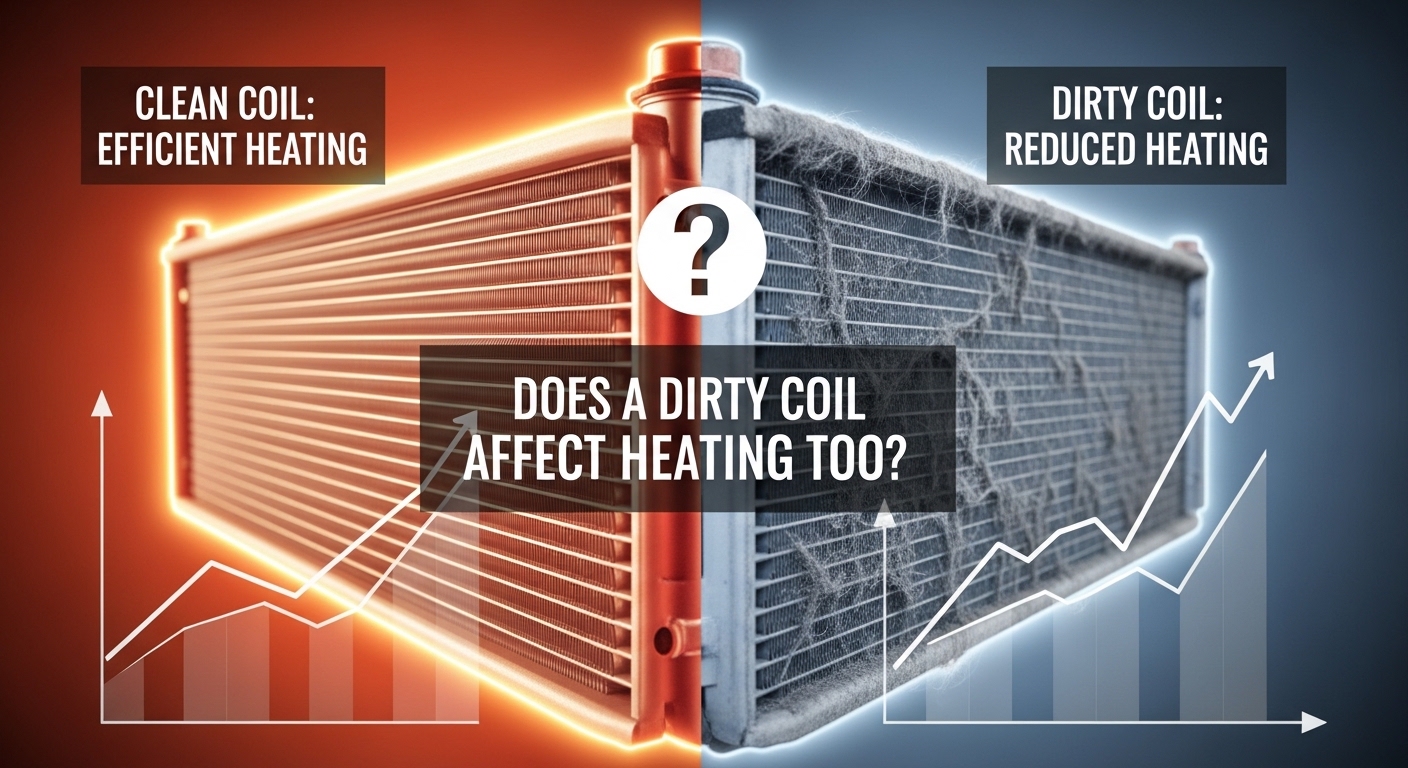
When this unit gets dirty, it can’t breathe properly. The coils and fins get blocked, and the system struggles to move air. The harder it works, the more energy it uses, and the worse your indoor air becomes.
A dirty outdoor unit doesn’t just make your system inefficient; it turns the whole airflow process into a contamination loop.
How a Dirty Outdoor Unit Contaminates Indoor Air?
You might think dirt outside can’t reach you inside. But air is always moving, and when airflow or pressure gets disturbed, contaminants from outside find their way in.
Here’s how it happens:
Air Pressure Imbalance:
When the outdoor unit is choked with dust and debris, the system has to pull air harder. This changes the pressure inside the home. The imbalance causes air to enter through cracks, crawl spaces, or vents, bringing in dust, allergens, and pollution from places you can’t even see.
Clogged Coils and Restricted Airflow:
Dirt blocks the coils, trapping heat and moisture. The trapped humidity becomes a breeding ground for bacteria and mold. When the system runs again, these microscopic pollutants circulate indoors.
Moisture and Mold Growth:
Warm, moist air meets cold metal and creates condensation. If your outdoor unit is dirty, that moisture sticks to the grime and turns into mold. Spores then travel inside with the air, and you start inhaling them.
Filter Overload:
Even if you change your filters regularly, a dirty outdoor unit throws more debris into the system than your filters can handle. The result? Clogged filters and dirty air flowing straight into your rooms.
Outdoor Pollutants Get Pulled In:
Pollen, car exhaust, dust, and even lawn chemicals can settle on the outdoor unit. Once it’s running, the fan can suck these contaminants into the system, blending them with your indoor airflow.
Thinking about whether you should get your HVAC cleaned or not? Read this: Signs Your HVAC Unit Needs Immediate Cleaning
What Happens to Indoor Air Quality When the Outdoor Unit is Dirty?
When the outdoor unit isn’t clean, the chain reaction affects everything inside.
Here’s what you’ll notice:
- More Dust: You clean surfaces more often, but dust seems to come back fast.
- Musty Odors: Air smells stale or moldy, especially when the system turns on.
- Dry Throat or Itchy Eyes: Polluted air irritates your respiratory system.
- Allergy Flare-Ups: Dust mites, mold, and pollen sneak indoors through air ducts.
- Humidity Problems: Either too dry or too damp makes the air uncomfortable.
It’s easy to blame the weather or your home cleaning habits, but often, the culprit is outside in that neglected metal box.
The Hidden Health Impact
A dirty outdoor unit doesn’t just make your home uncomfortable.
It can impact your health in subtle but serious ways.
- Respiratory Issues: Breathing contaminated air over time can cause coughing, wheezing, or shortness of breath.
- Allergies and Asthma: Mold spores, pollen, and dust circulating through your HVAC system trigger allergic reactions and worsen asthma.
- Fatigue and Headaches: Poor air quality means less oxygen and more irritants in the air. That’s why you feel tired or lightheaded at home.
- Dry Skin and Eyes: A poorly performing HVAC system affects humidity balance, drying out your air and your skin.
- Sleep Problems:
- Polluted or stuffy air makes it harder to breathe comfortably while sleeping.
These symptoms often appear slowly, making it easy to ignore the real cause, a dirty HVAC unit outside your house.
What If You Neglect Air Duct Cleaning?
- Leaves, dust, and pollen start sticking to the fins.
- The fan and coil start working harder to maintain airflow.
- Heat exchange becomes poor, and the system traps humidity.
- Mold begins to grow on the coils, and moisture collects inside.
- The system now pulls in dirty, humid air instead of clean, dry air.
- Dust and mold travel through ducts and vents into your living space.
- You start noticing more dust, higher bills, and worse air.
Energy and Cost Consequences of Contaminated Outdoor Unit
When the outdoor unit gets dirty, efficiency plummets. Your system runs longer to cool or heat your home, and your energy bills rise.
Here’s what’s happening behind the scenes:
- The compressor struggles to release heat through clogged coils.
- It draws more power and runs hotter.
- Components wear out faster, reducing the unit’s lifespan.
- The harder the system works, the less fresh air it exchanges.
That means not only dirty air but also higher electricity costs and costly repairs down the road.
So, HVAC cleaning isn’t just about comfort, it’s about savings too.
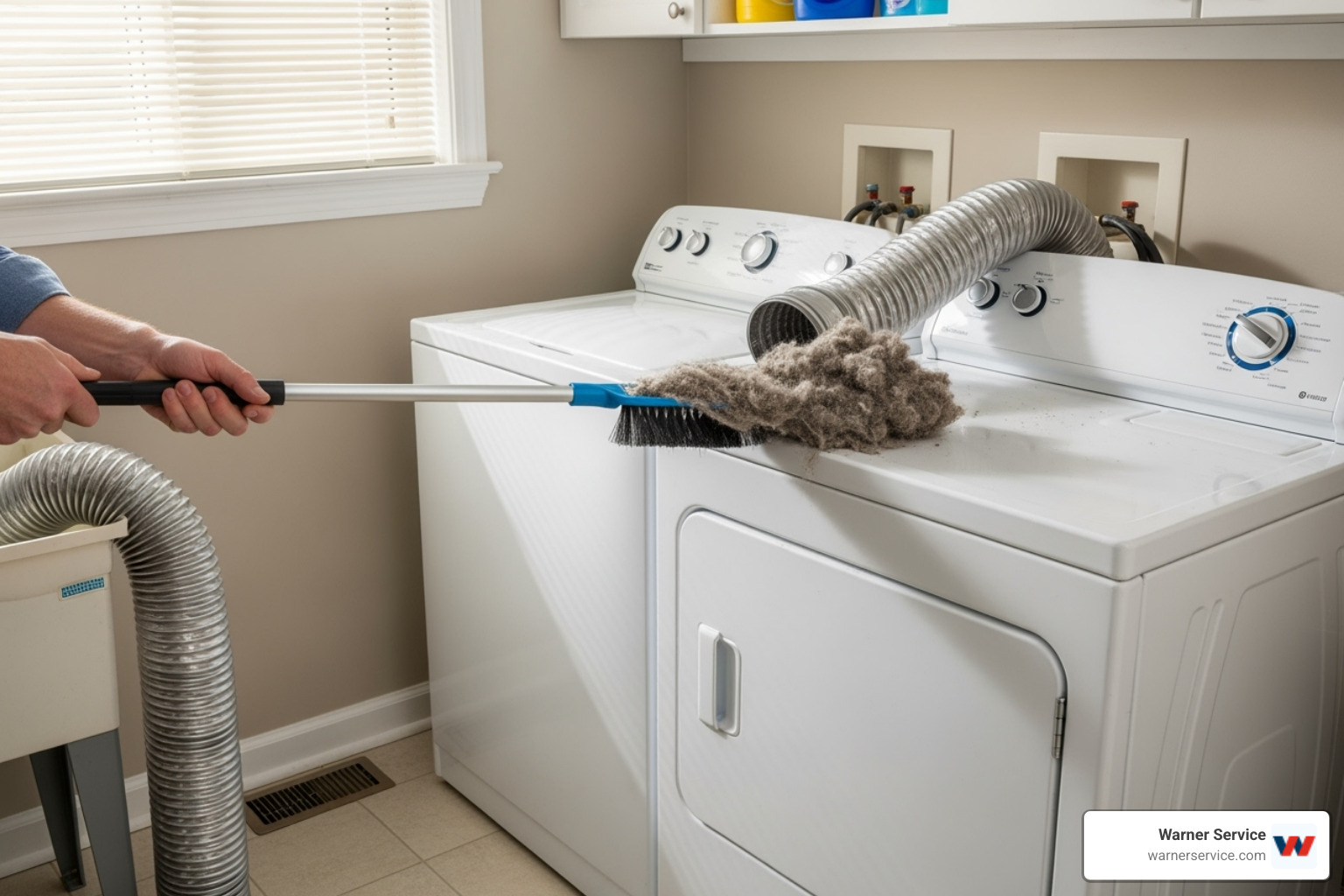
Read This Too: The Impact of Dryer Vent Clogs on Your Appliance’s Lifespan
How to Keep Your Outdoor Unit Clean
Cleaning your outdoor unit doesn’t take fancy tools.
It just needs consistency.
Here’s what you can do:
- Turn off the power before cleaning. Safety first. Always shut the system down from the breaker.
- Clear space around the unit. Keep two to three feet clear on all sides. Remove grass, weeds, and debris.
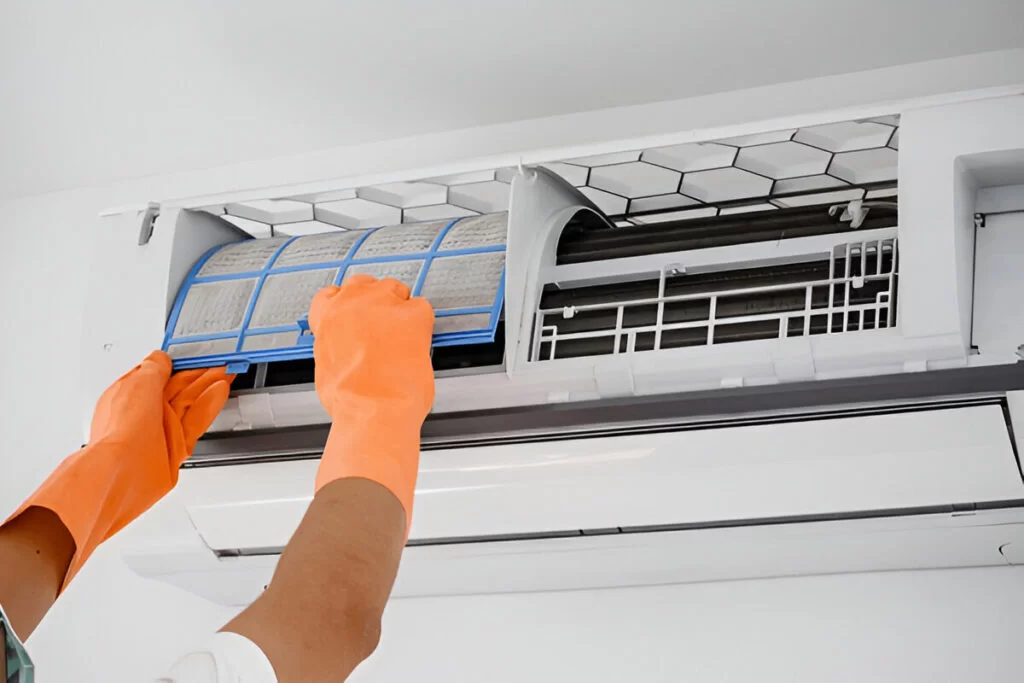
- Vacuum or gently brush the coils. Use a soft brush or coil cleaner to remove visible dirt. Avoid using high pressure that could bend the fins.
- Check the fan blades. Clean off dust and make sure they spin freely.
- Flush with water. A light rinse helps remove leftover grime. Don’t soak electrical parts.
- Inspect for mold or pests. If you spot black spots or mildew, use a mild cleaner or call a technician.
- Check drainage. Make sure the condensate drain is clear so moisture doesn’t pool and create mold.
Common Myths About Unit Cleaning
Let’s bust a few misconceptions:
Rain cleans the outdoor unit.
No, it doesn’t. Rain removes surface dust but not grime, mold, or trapped debris in fins.
It’s outside, so it can’t affect indoor air.
Wrong. The outdoor unit directly influences how clean your airflow stays inside.
I only need to clean the indoor filters.
Filters trap dust, but if your outdoor coils are dirty, that dust just keeps coming back.
Cleaning is optional.
Skipping cleaning shortens the system’s life, raises costs, and harms indoor air quality.
Cleaning is maintenance, not luxury.
Warning Signs of Dirty Outdoor Units
If you notice any of these, it’s time to take action:
- Airflow from vents feels weak or uneven.
- The system cycles on and off more often.
- The outdoor unit is louder than usual.
- Dust and smell increase indoors.
- Cooling or heating feels slower than before.
- Energy bills keep climbing.
- Allergies worsen indoors.
Don’t wait for a full breakdown. Address these early; most are signs of dirt clogging your outdoor components.
Healthier Air Starts with Regular Maintenance
You can’t control outdoor pollution, but you can control what enters your home. Routine unit cleaning and HVAC cleaning are your first line of defense.
Clean air means:
- Easier breathing
- Fewer doctor visits
- Better sleep quality
- Lower humidity problems
- Longer equipment life
Even 30 minutes of maintenance a few times a year can make a visible difference in how fresh your air feels.
A Simple Cleaning Schedule
Here’s a realistic plan:
- Every Month: Check filters, clear leaves and dirt from around the outdoor unit.
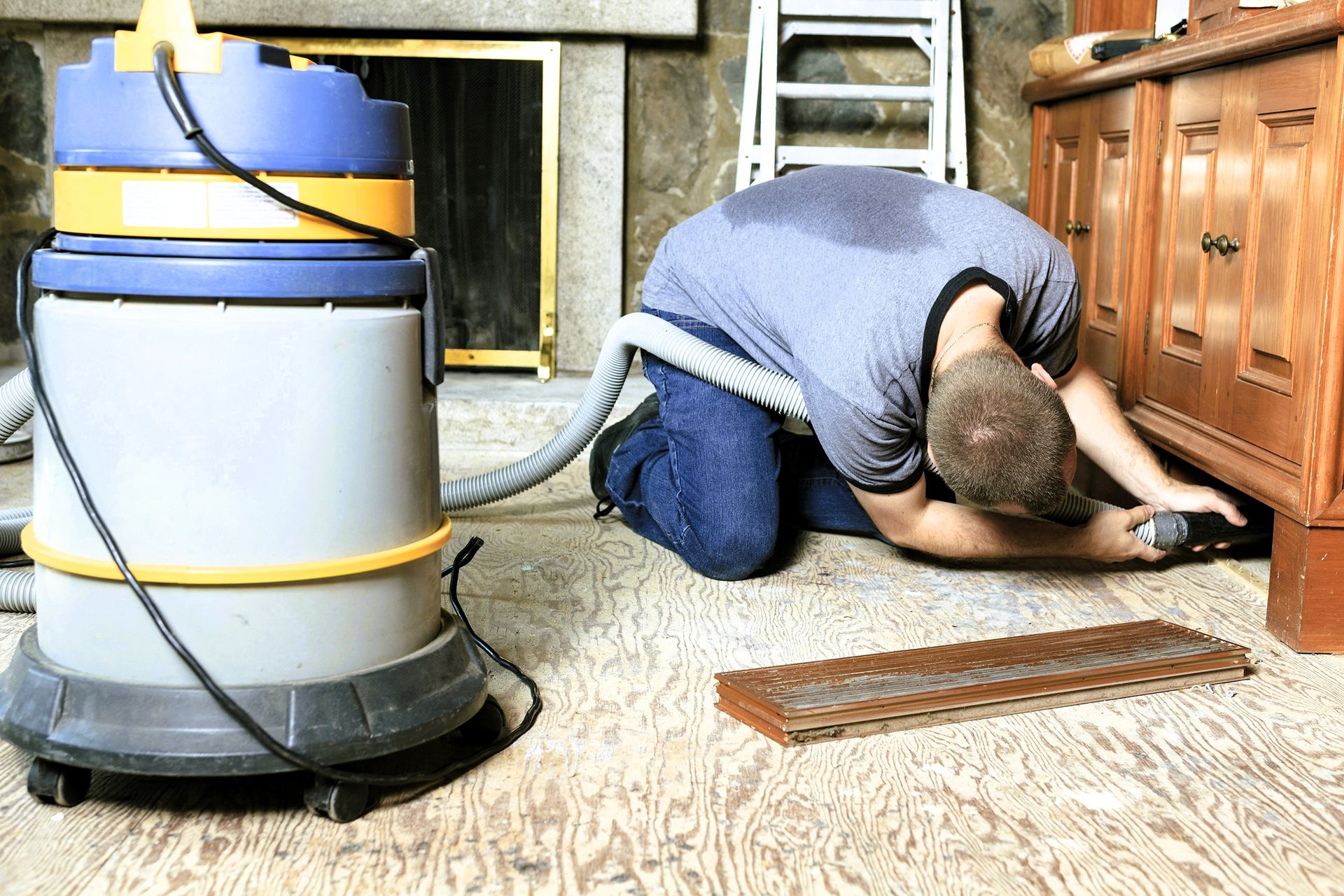
- Every 3 Months: Inspect coils, rinse lightly, and vacuum vents.
- Every 6 Months: Schedule a full unit cleaning, inside and out.
- Once a Year: Call for professional HVAC cleaning to deep clean coils, ducts, and drain lines.
Get Professional Unit Cleaning Services
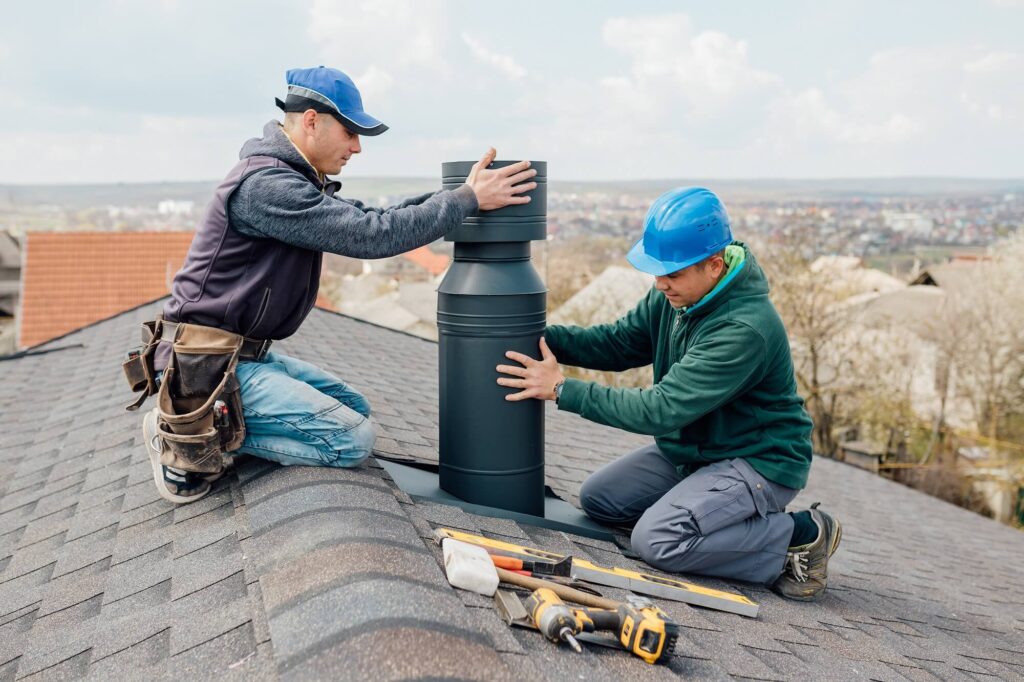
Sometimes DIY cleaning isn’t enough. If your coils are heavily caked or your air still feels stale, it’s time for professional help.
Experts use special cleaners, coil brushes, and air pressure tools to deep-clean your unit safely. They’ll also inspect ducts, vents, and indoor components that might be spreading contaminants.
Signs you need a pro:
- The outdoor unit looks greasy or blackened.
- You smell mildew when the system runs.
- Your energy bills spike suddenly.
- Some rooms never stay cool or warm.
- You’ve had frequent allergies or coughs indoors.
When was the last time you had your HVAC unit cleaned? Probably never! Anyhow, get it cleaned regularly or whenever you notice any of these signs, seek professional help. At Delta Clean Air, we provide professional HVAC cleaning services. Our experienced professionals will inspect your HVAC system and make a customized cleaning plan to achieve the best results.
Call us today and book an appointment.