Indoor air carries everything from dust and pollen to microscopic pollutants you cannot see. Over time, these particles settle inside your HVAC ductwork, forming layers of buildup that restrict airflow and affect air quality. Professional air duct cleaning in Boston goes far beyond surface-level dust removal. It involves a coordinated system of advanced equipment designed to reach deep into duct networks and remove contaminants completely.
Let’s discuss the major tool professionals use to provide air duct cleaning service in Boston.
The Complexity of Air Duct Systems
Air ducts do not follow a straight path. They twist through walls, ceilings, and floors, forming a network that connects every room to the HVAC unit. Inside this network, you will find:
- Supply ducts that push conditioned air
- Return ducts that pull air back to the system
- Vents and registers that regulate airflow
- Hidden bends, joints, and narrow passages
Dust, debris, pet dander, and even mold can settle in these areas. Cleaning such a system requires tools that can navigate tight corners, long distances, and varying duct materials.
Tools Used For Air Duct Cleaning in Boston
High-Powered Vacuum Systems
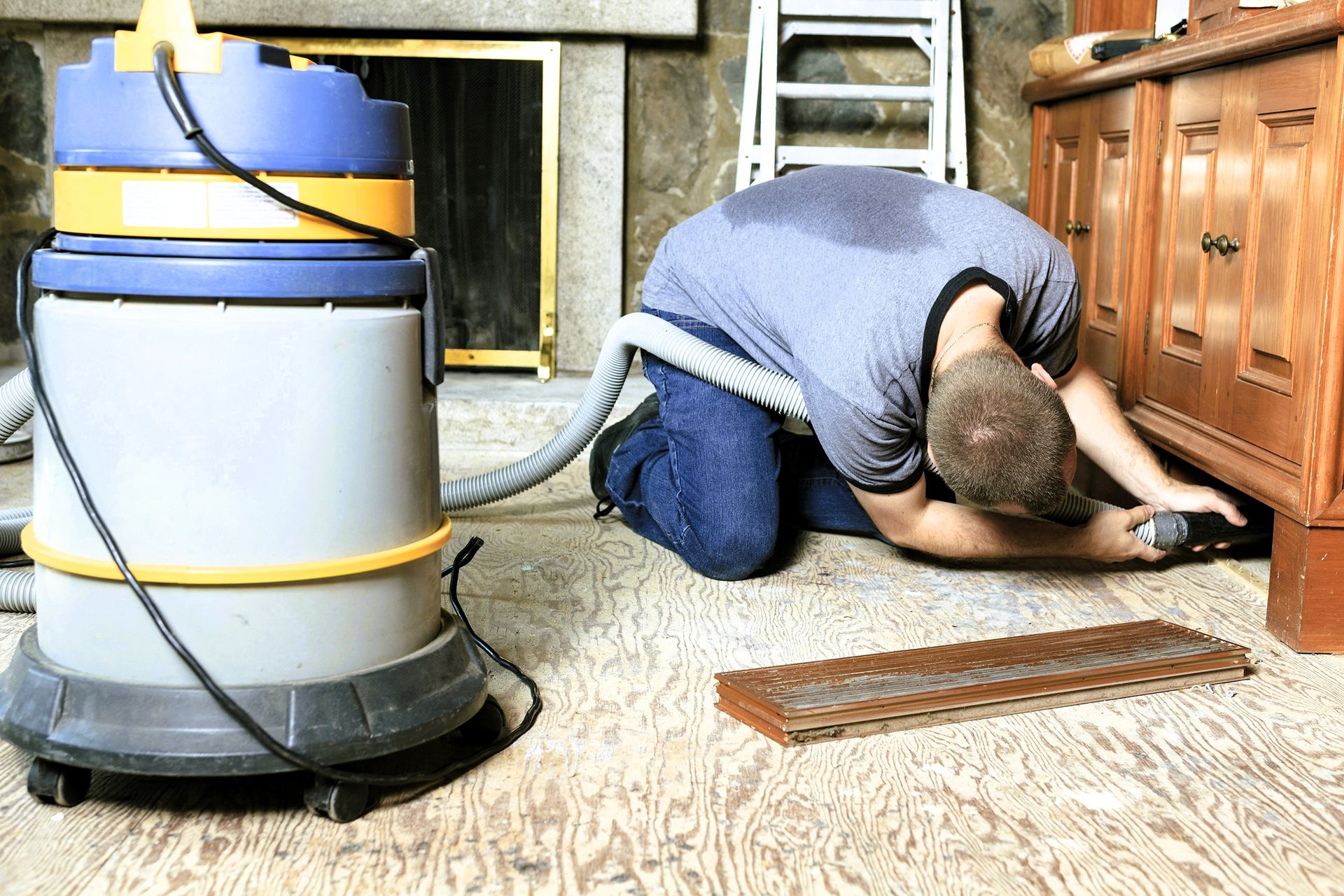
Every professional air duct cleaning job starts with a powerful vacuum system. This equipment forms the backbone of the entire process.
Truck-Mounted Vacuum Systems
Truck-mounted systems deliver unmatched suction power. Technicians park the vehicle outside and connect large hoses directly to the duct system.
Advantages:
- Strong airflow removes heavy debris quickly
- Handles large residential and commercial systems
- Reduces cleaning time without sacrificing quality
These systems generate negative pressure inside the ducts, pulling contaminants out rather than allowing them to escape into the home.
Portable HEPA Vacuum Units
Portable systems offer flexibility where truck-mounted units cannot reach.
Benefits:
- Compact design fits into tight spaces
- Ideal for apartments or multi-story buildings
- Equipped with HEPA filtration
High-Efficiency Particulate Air (HEPA) filters trap extremely fine particles during residential air duct cleaning. This includes allergens such as pollen, bacteria, and mold spores. Without HEPA filtration, cleaning may release contaminants back into the air instead of removing them.
Agitation Tools For Breaking Loose Stubborn Contaminants
Vacuum systems alone cannot remove debris stuck to duct walls. Professionals use agitation tools to loosen buildup before extraction.
Rotary Brush Systems
Rotary brushes spin at high speeds while moving through ducts. Their bristles scrub the inner surfaces, breaking apart dirt and debris.
Types of brushes:
- Soft brushes for flexible ducts
- Medium nylon brushes for standard cleaning
- Heavy-duty brushes for metal ducts with thick buildup
Dust often sticks due to moisture or static charge. Brushing breaks this bond, making it easier for the vacuum system to remove debris completely.
Also read: Why Your Brand-New Home Might Need Duct Cleaning
Compressed Air Tools
Duct systems contain areas that brushes cannot easily access. Professionals rely on compressed air tools to handle these spaces.
Air Whips
Air whips use multiple flexible tentacles that move rapidly when air flows through them.
Functions:
- Agitate debris in tight or curved sections
- Clean without damaging delicate duct materials
- Reach deep into long duct runs
Skipper Balls
Skipper balls push bursts of air in all directions as they move through ducts.
Benefits:
- Drive debris toward the vacuum system
- Cover large areas quickly
- Works well in wide ducts
Air Lances
Air lances deliver focused streams of compressed air.
Best for:
- Breaking apart stubborn buildup
- Targeting specific problem areas
Negative Air Machines For Controlling the Environment
One of the most important aspects of professional duct cleaning involves controlling airflow during the process.
How Negative Air Machines Work
These machines create a pressure difference inside the duct system. Air flows inward toward the vacuum source instead of outward into the living space.
Why This Matters
Without proper airflow control:
- Dust can spread throughout the home
- Contaminants may re-enter the air
- Cleaning becomes less effective
Negative air machines ensure that debris travels in one direction, out of the system.
Inspection Equipment to See What You Cannot See
Before cleaning begins, professionals inspect the duct system to identify problem areas.
Borescopes and Inspection Cameras
Technicians insert small cameras into ducts to capture real-time footage.
What they check:
- Dust accumulation
- Mold growth
- Blockages
- Structural damage
Robotic Camera Systems
For larger systems, robotic cameras move independently through ducts, providing a full visual inspection.
Importance of Inspection
Inspection ensures:
- Accurate assessment of cleaning needs
- Identification of health risks
- Verification of cleaning results afterward
Air Compressors
Compressed air tools depend on powerful air compressors.
Features of Professional Air Compressors
- High-pressure output
- Continuous operation capability
- Durability for heavy-duty use
Role in Cleaning
Air compressors supply consistent airflow to:
- Air whips
- Skipper balls
- Air lances
Without a reliable compressor, many cleaning tools lose effectiveness.
Access Tools
Air ducts often require access points for proper cleaning.
Tools Used
- Power drills
- Hole saws
- Sheet metal cutters
During commercial air duct cleaning, technicians create small openings to insert hoses and tools. After cleaning, they seal these openings carefully to maintain system efficiency.
Sealing Equipment To Restore System Integrity
After cleaning, professionals seal any openings or leaks.
Common Materials Used
- Mastic sealant
- Aluminum foil tape
- Mechanical fasteners
Benefits of Proper Sealing
- Prevents air leaks
- Improves energy efficiency
- Keeps ducts clean for longer
Sanitizing and Deodorizing Equipment
In certain cases, professionals sanitize duct systems after cleaning.
Fogging Machines
Foggers disperse fine mist throughout the ducts.
Used for:
- Eliminating bacteria and mold
- Neutralizing odors
Sprayers
Technicians apply targeted treatments using sprayers.
When Sanitization Becomes Necessary
- Mold contamination
- Strong odors
- Water damage inside ducts
HVAC Component Cleaning Tools
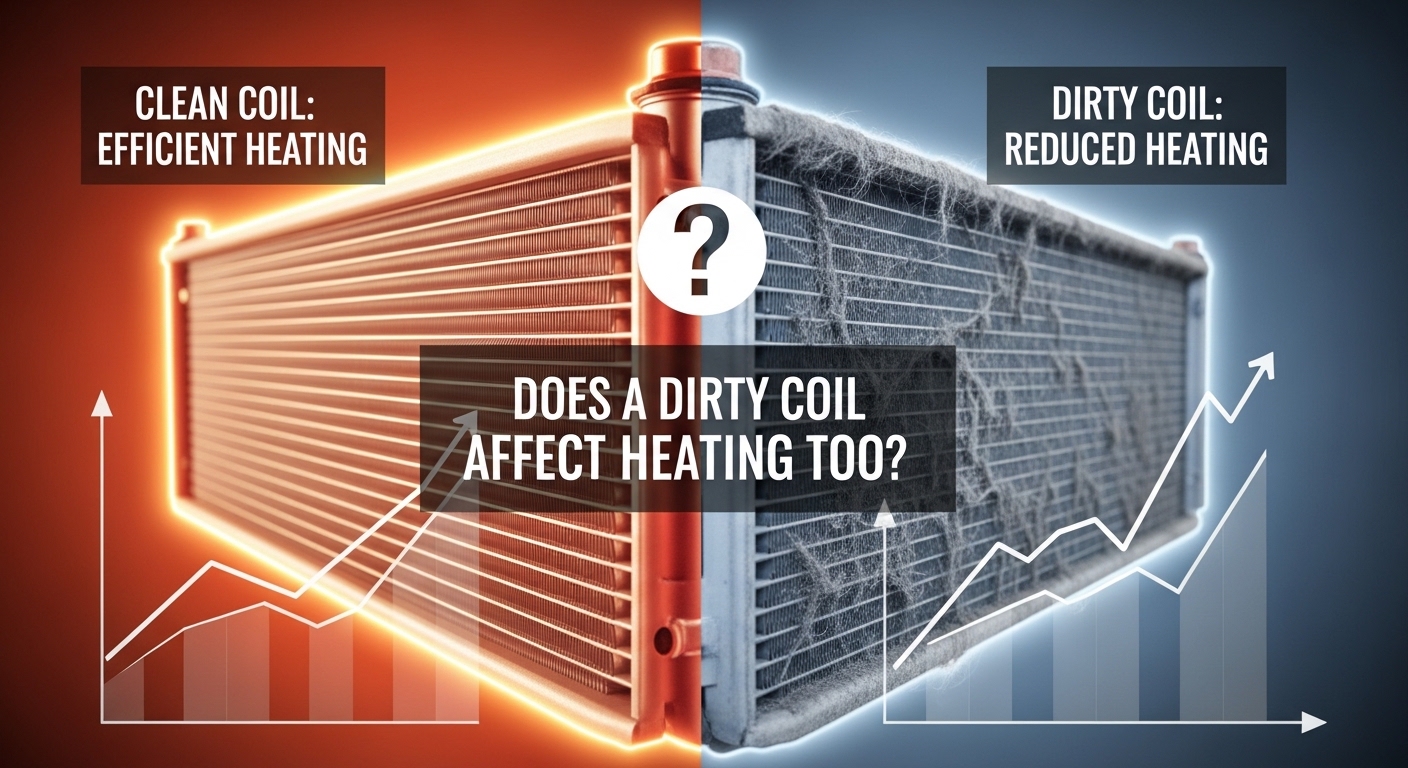
Air duct cleaning often includes cleaning HVAC components.
Tools Used
- Coil cleaning brushes
- Fin straighteners
- Vacuum attachments
- Cleaning solutions
Components Cleaned
- Evaporator coils
- Blower fans
- Heat exchangers
Cleaning these components improves system performance and reduces energy consumption.
Safety Equipment Used by Professionals
Air duct cleaning involves exposure to dust and contaminants. Professionals protect themselves with safety gear.
Essential Protective Equipment
- Respirators or masks
- Gloves
- Eye protection
- Full-body suits
Why Safety Gear Matters
It prevents:
- Inhalation of harmful particles
- Skin irritation
- Cross-contamination between job sites
Also read: Air Duct Cleaning vs HVAC Maintenance
Debris Collection and Disposal Systems
Once debris gets removed, proper handling becomes essential.
Equipment Used
- Collection containers
- Heavy-duty disposal bags
- HEPA filtration systems
Importance of Proper Disposal
Improper disposal can:
- Reintroduce contaminants
- Create hygiene issues
- Violate environmental guidelines
The Step-by-Step Professional Cleaning Process
Understanding the equipment becomes easier when you see how professionals use it together.
Step 1: Inspection: Technicians inspect the system using cameras.
Step 2: Setup: They connect vacuum systems and create access points.
Step 3: Negative Pressure: They establish airflow control using vacuum equipment.
Step 4: Agitation: They use brushes and air tools to loosen debris.
Step 5: Extraction: Vacuum systems remove contaminants.
Step 6: Sanitization: They apply disinfectants or deodorizers.
Step 7: Sealing and Final Check: They seal access points and verify results.
Differences Between Professional and DIY Cleaning
Many homeowners attempt to clean ducts using basic tools. The results rarely compare to professional cleaning.
DIY Limitations
- Weak suction power
- Limited reach
- No airflow control
Professional Advantages
- Industrial-grade equipment
- Comprehensive cleaning
- Safe and controlled process
DIY methods may clean visible areas, but hidden sections remain untouched.
Contaminants Found in Air Ducts
Understanding what professionals remove helps you appreciate the importance of proper equipment.
Typical Contaminants
- Dust and dirt
- Pet dander
- Mold spores
- Pollen
- Insect debris
These pollutants affect both air quality and system performance.
How Equipment Impacts Air Quality
The quality of tools directly influences the outcome.
High-Quality Equipment Results
- Cleaner indoor air
- Reduced allergens
- Better airflow
- Lower energy costs
Low-Quality Equipment Results
- Incomplete cleaning
- Dust recirculation
- Short-term improvement
Choosing the Right Professional Service
Not every company uses advanced equipment.
What You Should Look For
- Use of HEPA vacuum systems
- Availability of inspection cameras
- Proper agitation tools
- Experience with different duct systems
Questions to Ask
- What equipment do you use?
- Do you create negative pressure during cleaning?
- Do you inspect before and after?
Reliable companies will answer these questions confidently.
Signs Your Air Ducts Need Professional Cleaning
Recognizing the need for cleaning helps you act at the right time.
Warning Signs
- Dust blowing from vents
- Unpleasant odors
- Increased allergies indoors
- Reduced airflow
- Visible mold
Ignoring these signs leads to larger issues over time.
Need Professional Air Duct Cleaning Services in Boston? Contact Delta Clean Air
If you’re searching for reliable air duct cleaning in Boston, you are at the right place. At Delta Clean Air, we offer the expertise and equipment needed to get the job done right.
Over time, dust, allergens, and debris build up inside your duct system, affecting both air quality and HVAC efficiency. A professional cleaning service helps restore proper airflow and creates a healthier indoor environment for your home or business.
Our expert technicians use advanced tools and techniques to remove deep-seated contaminants from your ducts. They handle everything with care, ensuring thorough cleaning without damaging your system.
Call us now and book an appointment.