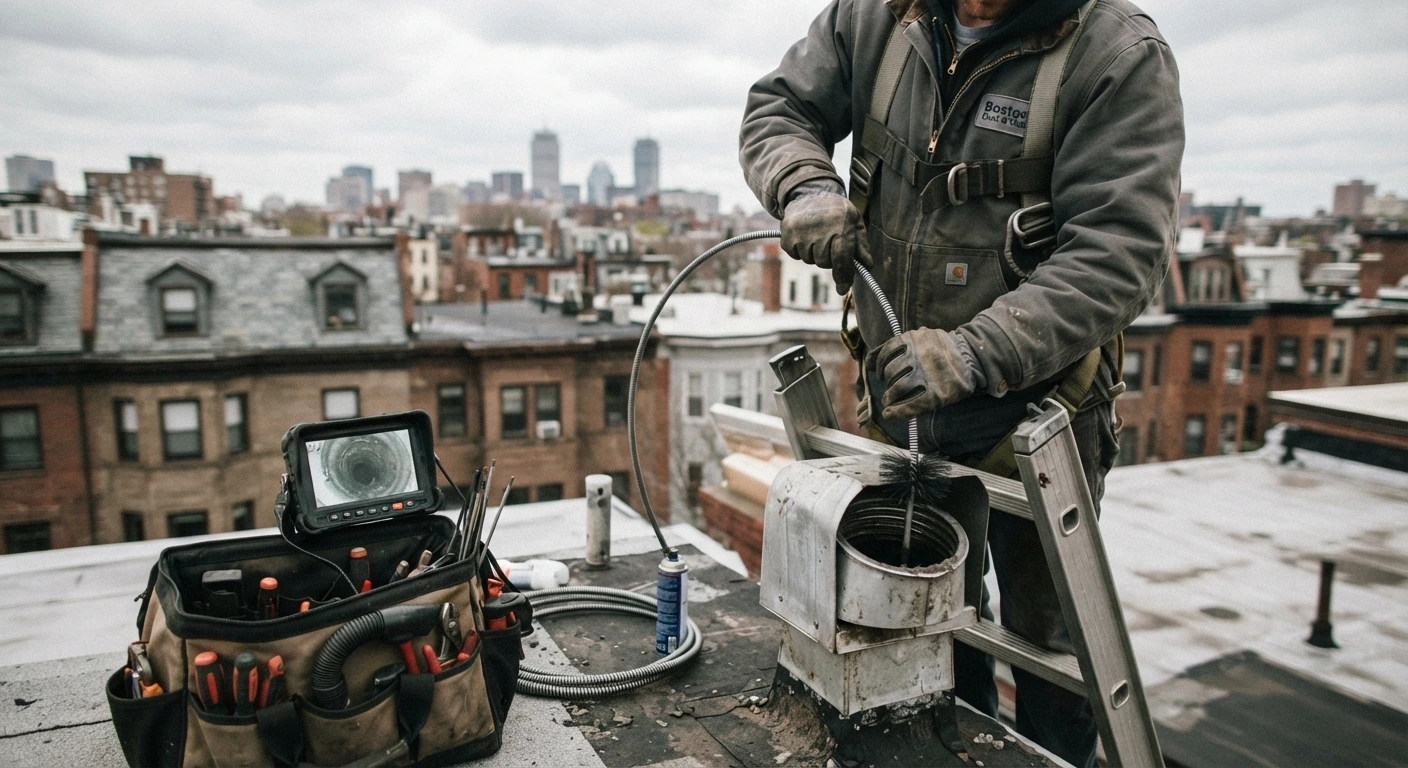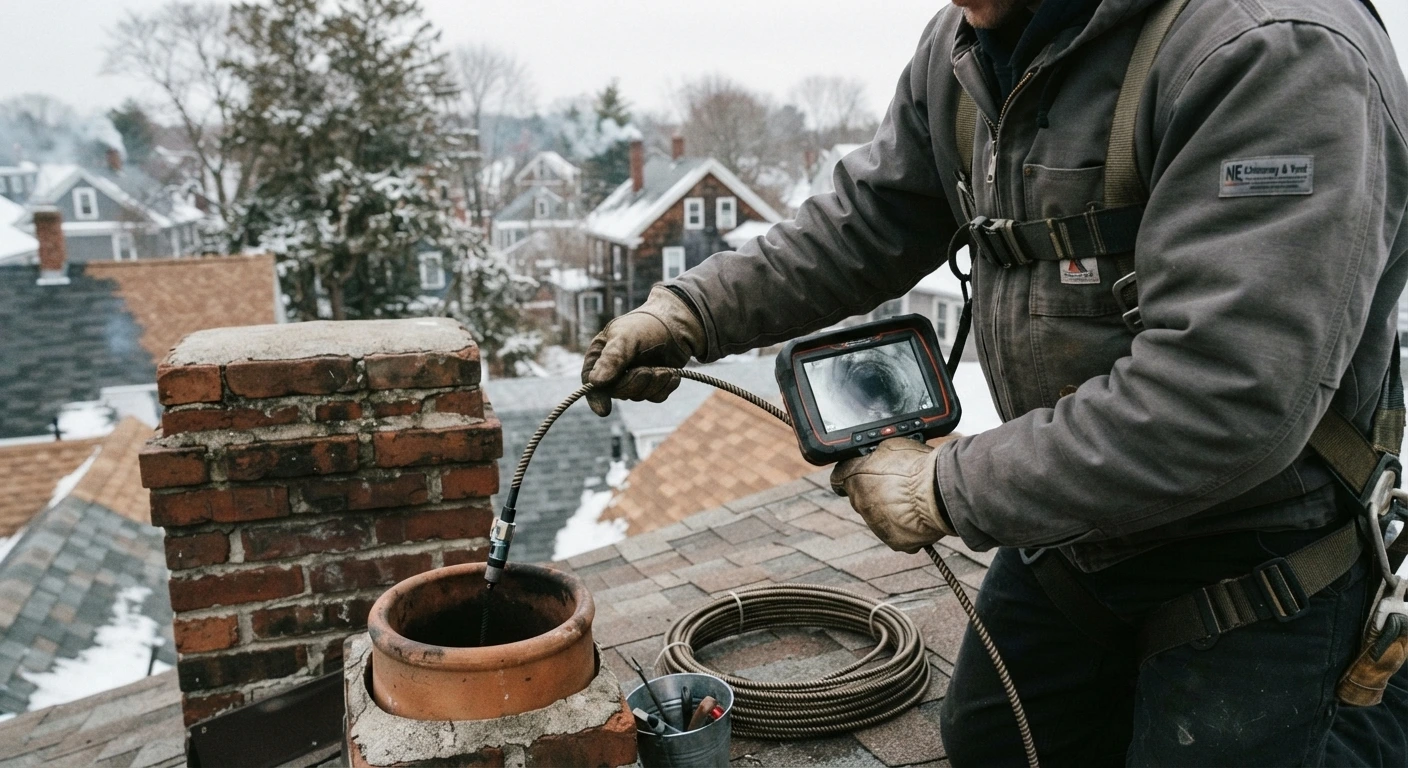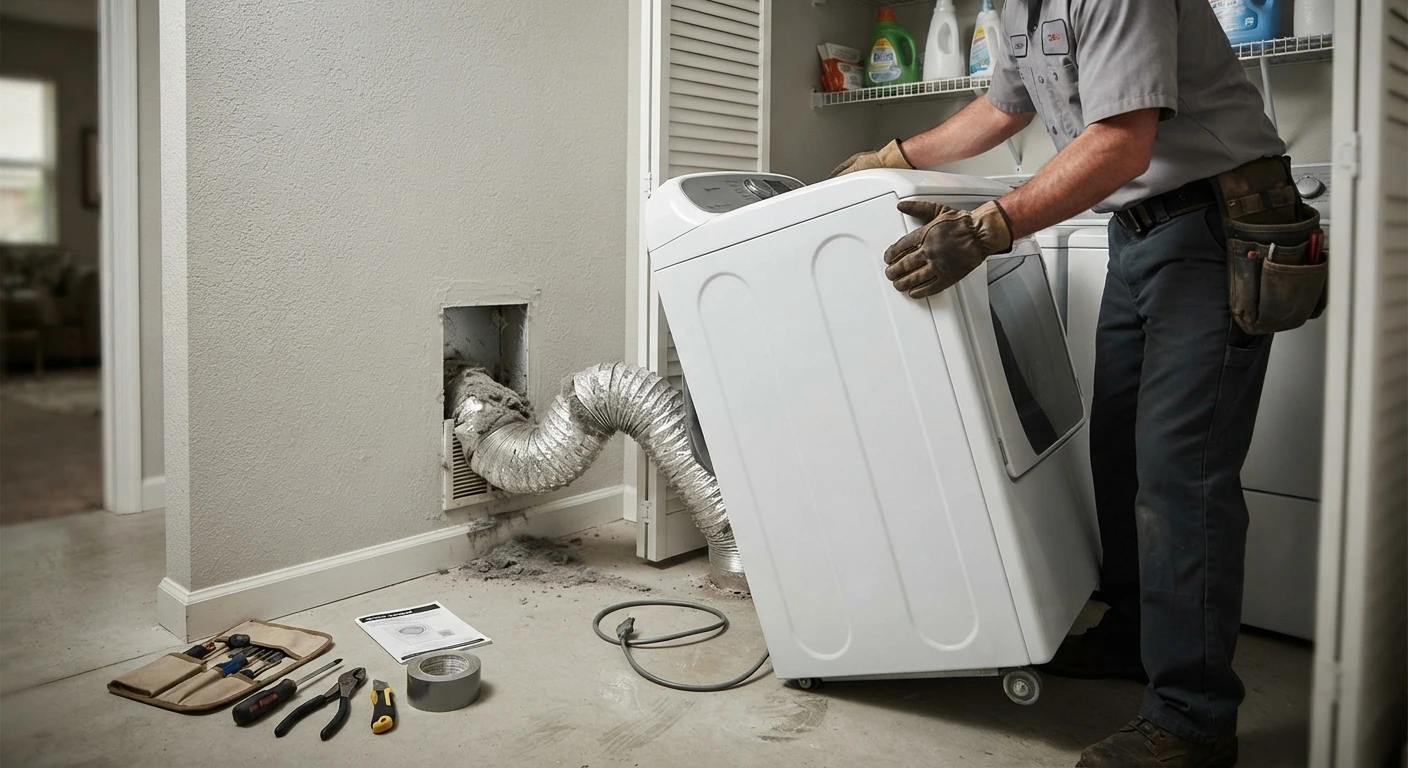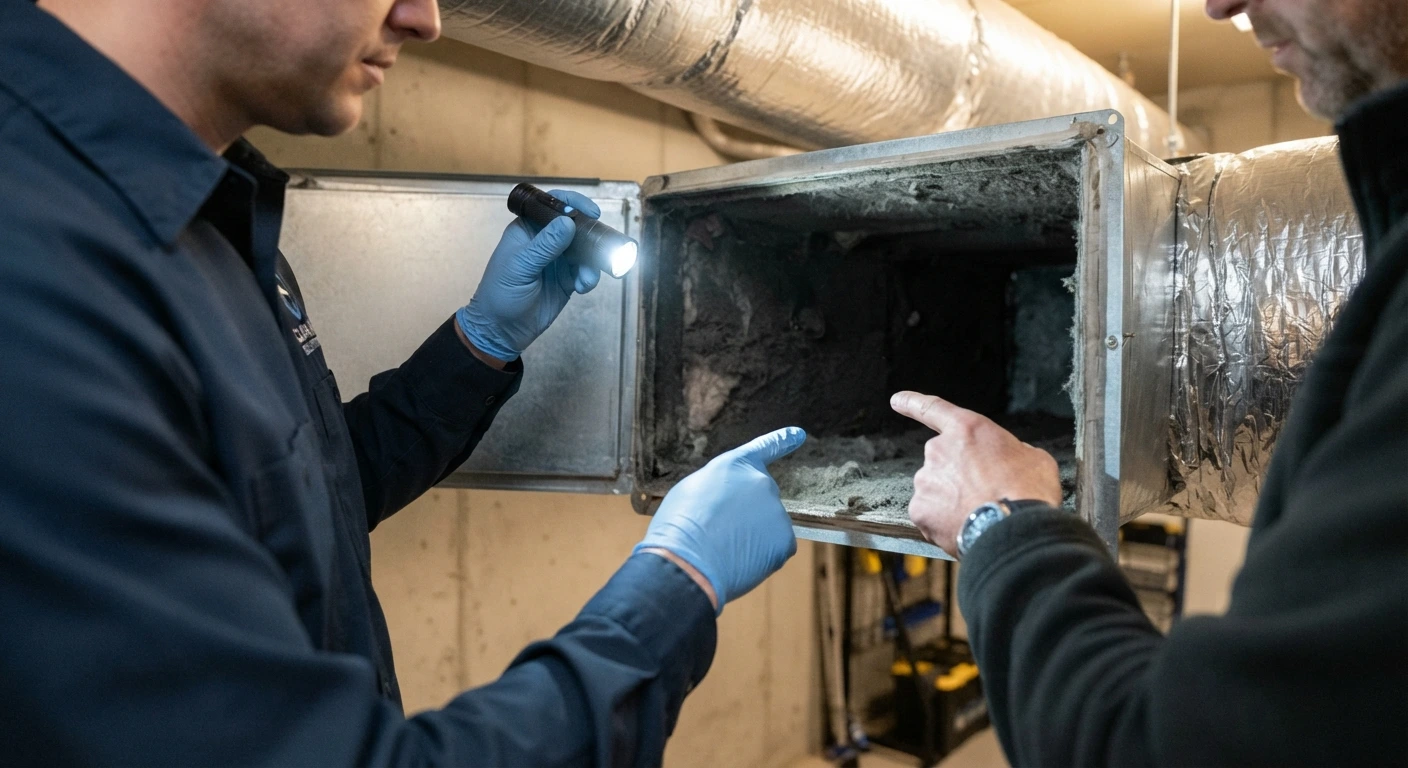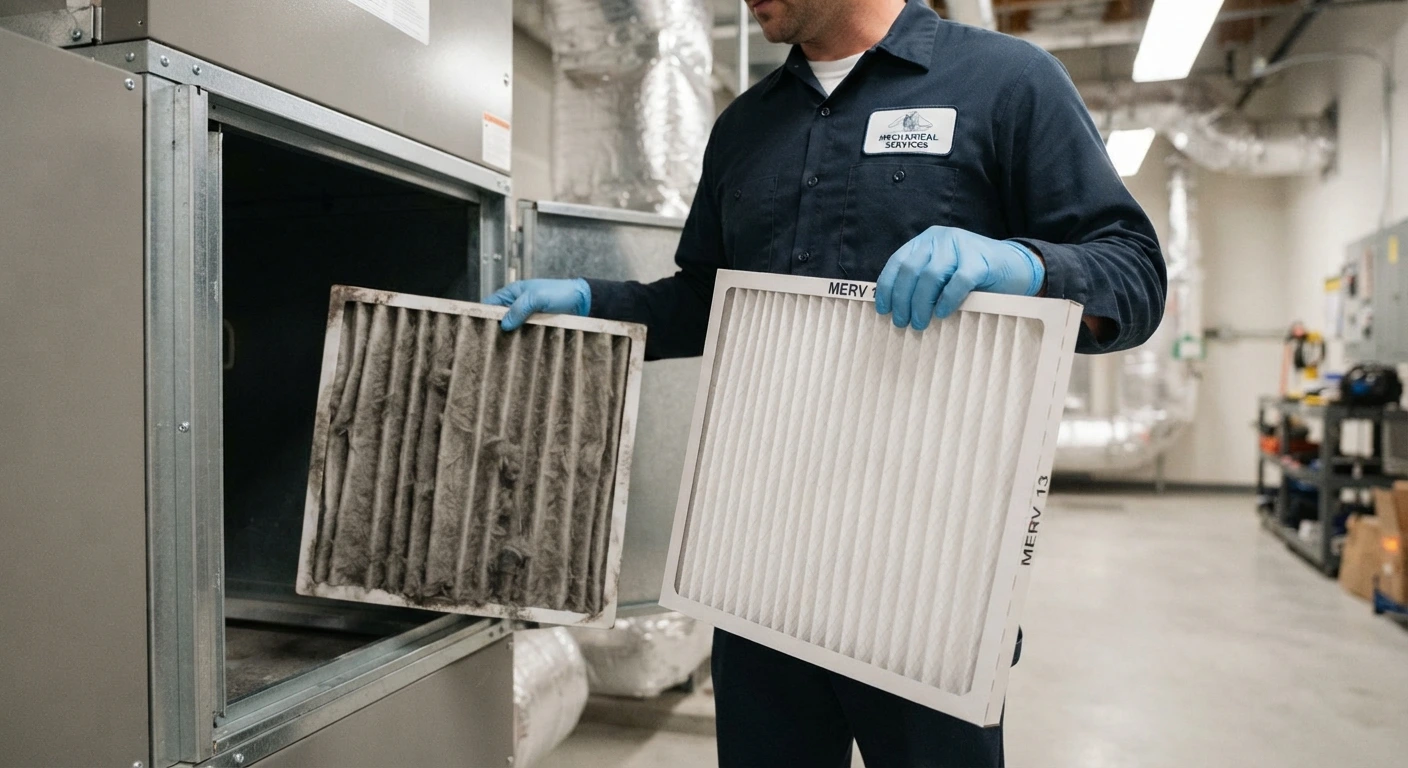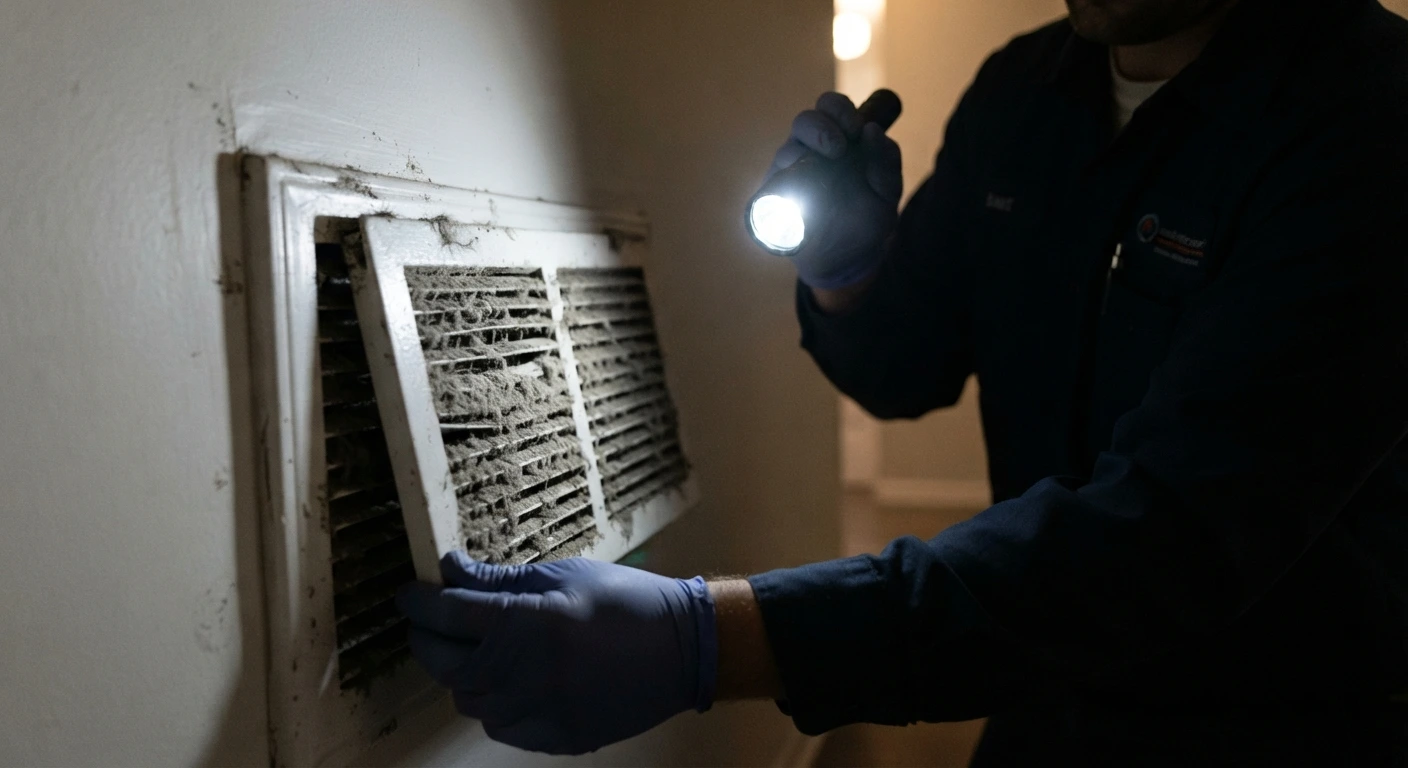

Dryer vent cleaning is one of those home maintenance tasks most people don’t think about until there’s a problem. Clothes take longer to dry, the laundry room feels hotter than usual, or a burning smell shows up out of nowhere. You call a professional, they clean the vent, and you’re told everything is fine.
But how do you actually know the job was done properly?
A dryer vent cleaning that’s done halfway leaves behind hidden lint, airflow restrictions, and even fire risks. Unfortunately, many homeowners assume that once a technician leaves, the job must be complete. In reality, there are clear signs that reveal whether the cleaning was thorough or rushed.
In this blog, we will be discussing how to tell if your dryer vent cleaning in Boston done right, what results you should expect, and what red flags to watch for.
Proper Dryer Vent Cleaning in Boston is More Important Than You Think
Before judging the quality of dryer vent cleaning, it helps to understand why it is important.
Every load of laundry releases lint. Even with a lint trap, small fibers escape and collect inside the dryer vent over time. When lint builds up, it causes:
- Restricted airflow
- Longer drying cycles
- Higher energy bills
- Excess heat inside the dryer
- Increased risk of dryer fires
A proper cleaning removes lint, dust, debris, and moisture buildup from the entire vent system, not just the visible parts. If any section is skipped, the risk remains.
Signs Your Dryer Vent Cleaning Was Done Correctly
Some of the best indicators show up right away. If you know what to look for, you can usually tell within the first few dryer cycles whether the job was done properly.
Clothes Dry Faster Than Before
One of the most obvious signs of a successful dryer vent cleaning is shorter drying times.
If your clothes were taking two or three cycles to dry before and now finish in one normal cycle, that’s a strong sign airflow has been restored.
Proper airflow allows:
- Hot air to move freely
- Moisture to escape efficiently
- The dryer to operate at normal temperature
If drying times haven’t changed at all, lint may still be blocking part of the vent.
The Dryer Feels Cooler During Operation
A clogged vent traps heat inside the dryer. After a proper cleaning, the dryer should run noticeably cooler.
You may notice:
- The top of the dryer no longer feels extremely hot
- The laundry room doesn’t heat up as much
- The dryer shuts off less often mid-cycle
Excessive heat after cleaning is a warning sign that airflow is still restricted.
Strong, Steady Airflow at the Exterior Vent
Go outside while the dryer is running and check the vent hood.
A properly cleaned vent should produce:
- A strong, steady stream of warm air
- Minimal lint discharge
- A vent flap that opens fully
Weak airflow, fluttering vent flaps, or air that barely exits suggests the vent is still partially blocked.
Also read: Dryer Vent Cleaning Frequency: How Often to Schedule It
No Burning or Musty Smells
Lint buildup often causes burning odors, while moisture trapped in the vent can lead to musty smells.
After a correct cleaning:
- Burning smells should be gone
- Clothes should smell fresh
- The laundry area should feel cleaner
Any roaming odor means debris or moisture may still be trapped inside the vent line.
A Clean Dryer Vent Opening Inside the Home
The area where the dryer connects to the vent should be completely clean.
Look for:
- No visible lint clumps
- No dust buildup around the connection
- A secure, properly sealed duct
If lint is still packed around the vent collar, the cleaning was likely rushed.
Clean Vent Hood and Surrounding Area Outside
The exterior vent hood should also be clean.
After proper cleaning:
- The vent cover should be free of lint
- The surrounding wall should be clean
- The flap should move easily
If lint is still stuck in the vent hood or scattered nearby, the technician may not have finished the exterior portion of the job.
No Loose Debris Left Behind Indoors
A professional dryer vent cleaning includes cleanup. Signs of a careful job:
- No lint piles on the floor
- No dust on nearby walls
- No debris inside the dryer drum
If lint is scattered around your laundry area, that suggests poor attention to detail.
Performance Changes You Should Notice Over the Next Few Weeks
Some results become more noticeable over time rather than immediately.
Lower Energy Bills
When airflow improves, the dryer uses less energy to dry clothes. Over the next month, you may notice:
- Slightly lower electricity or gas bills
- Fewer long drying cycles
- Less strain on the dryer motor
If your energy usage remains unusually high, airflow may still be restricted.
Dryer Stops Overheating or Shutting Off
Many modern dryers shut off automatically when they overheat.
After a proper cleaning:
- Overheating shutdowns should stop
- Error codes related to airflow should disappear
- The dryer should run consistently
Continued overheating is a strong sign of an incomplete cleaning.
Less Lint in the Lint Trap
This may sound backward, but improved airflow often means less lint collects in the lint trap because it’s being carried out properly.
If your lint trap suddenly fills excessively fast, airflow may still be disrupted.
Also read: How Much Does Dryer Vent Replacement Cost in 2025?
What a Proper Dryer Vent Cleaning Should Include
Knowing what should be done helps you judge what was done.
Full Vent Line Cleaning, Not Just the First Few Feet
A proper job cleans:
- The dryer connection
- The entire vent line
- Elbows, bends, and vertical sections
- The exterior termination point
If the technician only cleaned near the dryer, lint deeper in the line may remain untouched.
Use of Professional Tools
A correct cleaning usually involves:
- Rotary brushes
- High-powered vacuums
- Air compressors or agitation tools
Simply using a shop vacuum or leaf blower is not enough for a deep clean.
Inspection Before and After Cleaning
A thorough technician inspects the vent system for:
- Blockages
- Crushed or disconnected ducts
- Improper materials
- Excessive vent length
If no inspection was done, potential problems may have been missed.
Red Flags That Suggest the Job Was Not Done Right
Some warning signs are impossible to ignore.
The Cleaning Was Finished Too Quickly
A full dryer vent cleaning typically takes 45 minutes to 1.5 hours, depending on vent length and condition.
If the job took only 10 to 15 minutes, it was almost certainly incomplete.
No Explanation of What Was Done
A professional cleaner should explain:
- Where lint was found
- How clogged the vent was
- Whether repairs or changes are recommended
If you received no explanation at all, that’s a red flag.
Problems Return Within Days or Weeks
If drying times increase again shortly after cleaning, lint was likely pushed deeper into the vent rather than removed.
Recurring issues often indicate:
- Partial cleaning
- Missed sections
- Improper technique
Common Dryer Vent Cleaning Mistakes Homeowners Don’t Notice
Some mistakes aren’t obvious unless you know what to look for.
Lint Is Pushed Outside but Left in the Vent Hood
Blowing lint outward without removing it from the hood can cause immediate re-clogging.
A correct job removes lint completely, not just relocates it.
Flexible Plastic or Foil Ducts Are Left in Place
These materials trap lint and are fire hazards.
A good technician will:
- Warn you about unsafe ducts
- Recommend rigid or semi-rigid metal ducting
Ignoring unsafe materials is a sign of poor service.
Vertical or Roof Vents Are Skipped
Vents that run upward or exit through the roof are harder to clean, but they matter the most.
Skipping these sections leaves dangerous lint buildup behind.
How to Verify the Cleaning Yourself
You don’t need special tools to do basic checks.
Do the Hand Test
While the dryer is running, place your hand near:
- The exterior vent airflow
- The back of the dryer
Strong airflow and moderate heat are good signs.
Listen to the Dryer
A properly vented dryer:
- Sounds smoother
- Runs consistently
- Doesn’t struggle or cycle oddly
Strange noises or frequent pauses may indicate airflow issues.
Monitor Drying Time Over Several Loads
Track how long clothes take to dry over the next 5 to 10 loads.
Consistent improvement means the cleaning was likely successful.
How Often Should Dryer Vents Be Cleaned
Even a perfect cleaning doesn’t last forever.
Most homes need dryer vent cleaning:
- Once every 12 months
- Every 6-9 months for large families
- More often for long or vertical vent runs
If lint builds up quickly after cleaning, there may be a design issue that needs correction.
What to Do If You Suspect the Job Was Incomplete
If something feels off, don’t ignore it.
Contact the Company Immediately
A reputable company will:
- Reinspect the vent
- Address missed sections
- Stand behind their work
Explain the symptoms clearly and request a follow-up.
Consider a Second Opinion
If problems persist, another professional inspection may reveal what was missed.
Sometimes a fresh set of eyes finds issues others overlooked.
Don’t Delay Corrections
Dryer vent problems aren’t just inconvenient; they’re dangerous.
Lint-related dryer fires are more common than most homeowners realize, and incomplete cleaning keeps that risk alive.
Experience The Right Dryer Cleaning in Boston Today
Experience professional, reliable dryer vent cleaning with Delta Clean Air. Our expert team focuses on doing the job right, clearing built-up lint, restoring proper airflow, and helping your dryer run safely and efficiently.
A properly cleaned dryer vent means faster drying times, lower energy costs, and reduced fire risk for your home. At Delta Clean Air, we don’t rush the process or cut corners. We inspect, clean, and test your system so you can feel confident in the results. Book your dryer cleaning today and enjoy safer, smoother laundry days ahead.