
As much as some house chores can be a pain, there’s something satisfying about cleaning a lint trap. However, unfortunately, that lint trap can only catch so much of the lint your dryer produces. The rest is traveling through your dryer vent system, accumulating inch by inch, load by load.
And when enough of it builds up, that lint becomes a fire hazard sitting in your wall. Which makes you think, you probably should have scheduled a dryer vent cleaning in Boston sooner.
According to the National Fire Protection Association, dryers and washing machines cause an average of 15,970 home fires annually in the United States. About 92% of those are dryer fires, and roughly a third are caused by failure to clean.
That’s nearly 5,000 preventable fires every single year.
So, how often should you actually be cleaning your dryer vent? We thought you’d never ask.
The Baseline is Once a Year (at a Minimum)
Fire safety experts, appliance manufacturers, and organizations like NADCA recommend professional dryer vent cleaning at least once per year.
This isn’t just a suggestion, since some manufacturers now require annual cleaning throughout the warranty period to honor claims. They’ve realized that neglected maintenance leads to failures they won’t cover.
Annual cleaning addresses normal accumulation for average use, which is about 3-5 loads per week in a household of two or three people. Once a year keeps your system functioning safely and efficiently.
But average use is a narrow category. Most households fall outside it in one direction or another.
When Do You Need to Clean More Often?
Several factors accelerate lint buildup, so you should schedule professional residential and commercial dryer vent cleaning in Boston more frequently than once a year, potentially every 6-9 months, or even twice a year.
Let’s have a look at whether you fall into that category:
Large Families
If you’re doing a load (or multiple loads) every single day, you’re producing significantly more lint than the average household. Families with four or more people should lean toward twice-yearly cleaning.
Pets
Dog and cat fur doesn’t just end up on your couch; it’s all over your clothes, bedding, and towels. When you wash and dry those items, pet hair makes its way through your dryer system. It’s stickier and more likely to cling to vent walls than regular lint.
What Sort of Fabrics are you Drying
Towels, fleece blankets, sweatshirts, and anything with a fluffy or high-pile texture produce more lint than smooth cottons or synthetics. If you’re regularly drying bedding, bath towels, or heavy winter clothing, you’re generating more lint. Households that do a lot of towel laundry should consider more frequent cleaning.
What Type of Vent Hose do you have?
Flexible foil or plastic vents trap lint more readily than rigid metal ducting. If you haven’t upgraded to rigid or semi-rigid metal venting, you’ll need more frequent cleaning, and you should really consider replacing the vent material entirely.
Older dryers (10+ years)
As dryers age, seals wear down, and more lint escapes into the vent system. If your dryer is older, plan for more frequent professional cleaning.
Also Read: How Dryer Vent Repair Can Prevent Mold and Moisture Damage
Signs You Need Cleaning (Even If It Hasn’t Been a Year)
The great thing about a dryer is that it will tell you when the vent needs attention. Don’t ignore these warning signs:
Clothes Taking Longer To Dry
If loads that used to dry in 45 minutes now take considerably longer or require multiple cycles, restricted airflow from lint buildup is likely the reason. When the vent is clogged, moist air can’t escape efficiently, so clothes stay damp.
Unusually Hot Clothes
Warm clothes are great, especially in the winter. But uncomfortably hot, and you’ve got an issue at hand. Excessively hot clothes mean your vent isn’t expelling heat properly. Excess heat and trapped lint make the perfect recipe for a fire risk.
Burning Smell
If you smell something burning while your dryer is running, stop immediately. This often means lint has accumulated near the heating element or is being superheated inside the vent.
Excessive Lint Around the Dryer
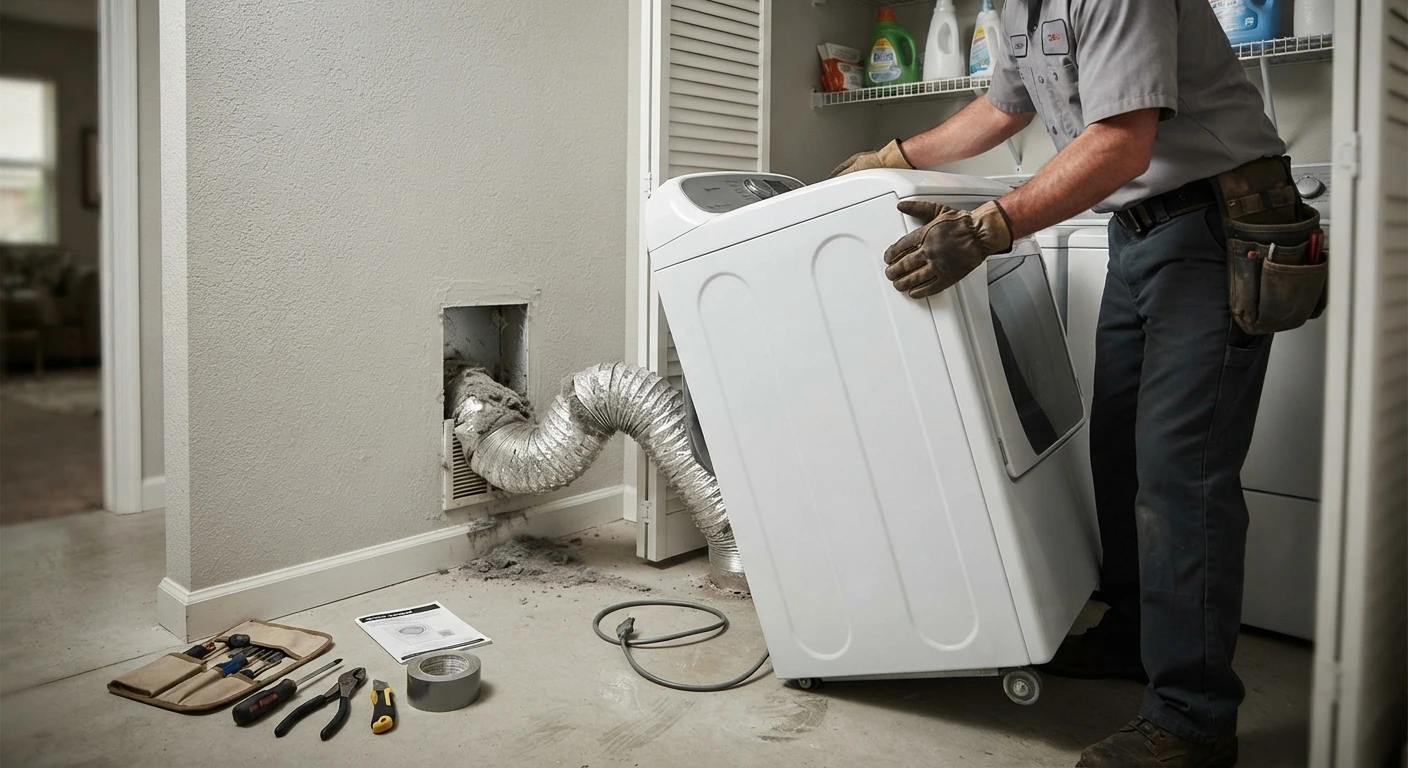
If you’re seeing lint accumulating on or around the dryer itself, near the connection point, or coming out around the door seal, your vent system is struggling.
Lint Or Debris at the Exterior Vent Opening
Walk outside and look at where your dryer vents to the outdoors. If lint is visible or the vent hood flap isn’t opening properly when the dryer runs, you have a blockage.
The Laundry Room Feels Humid
If moisture isn’t properly vented, it stays in your laundry room, creating a damp, musty environment. This means your vent has a restriction.
It’s Been More Than a Year
Even if you don’t notice any of the above, if you can’t remember the last time your vent was cleaned, or you’ve never had it cleaned, it’s overdue.
Could You DIY This?
Most people assume dryer vent cleaning in Boston will be a breeze and something they can tackle with a brush kit and a YouTube tutorial. However, that’s not always the case, since you’re bound to miss out on something, especially when you’re not sure what you’re doing in the first place.
DIY methods typically miss:
- The full length of the vent: Most DIY kits have brushes that extend 10-15 feet. If your vent run is longer, you’re not reaching the entire system.
- Compacted lint: Sometimes, brush kits compact lint further into the vent, creating a harder-to-remove blockage. Professional equipment uses powerful vacuums and air systems that actually extract lint rather than just pushing it around.
- The area inside the dryer itself: Professional cleaning includes cleaning inside the dryer cabinet where lint accumulates around the drum, heating element, and motor—a major fire risk that DIY methods don’t address.
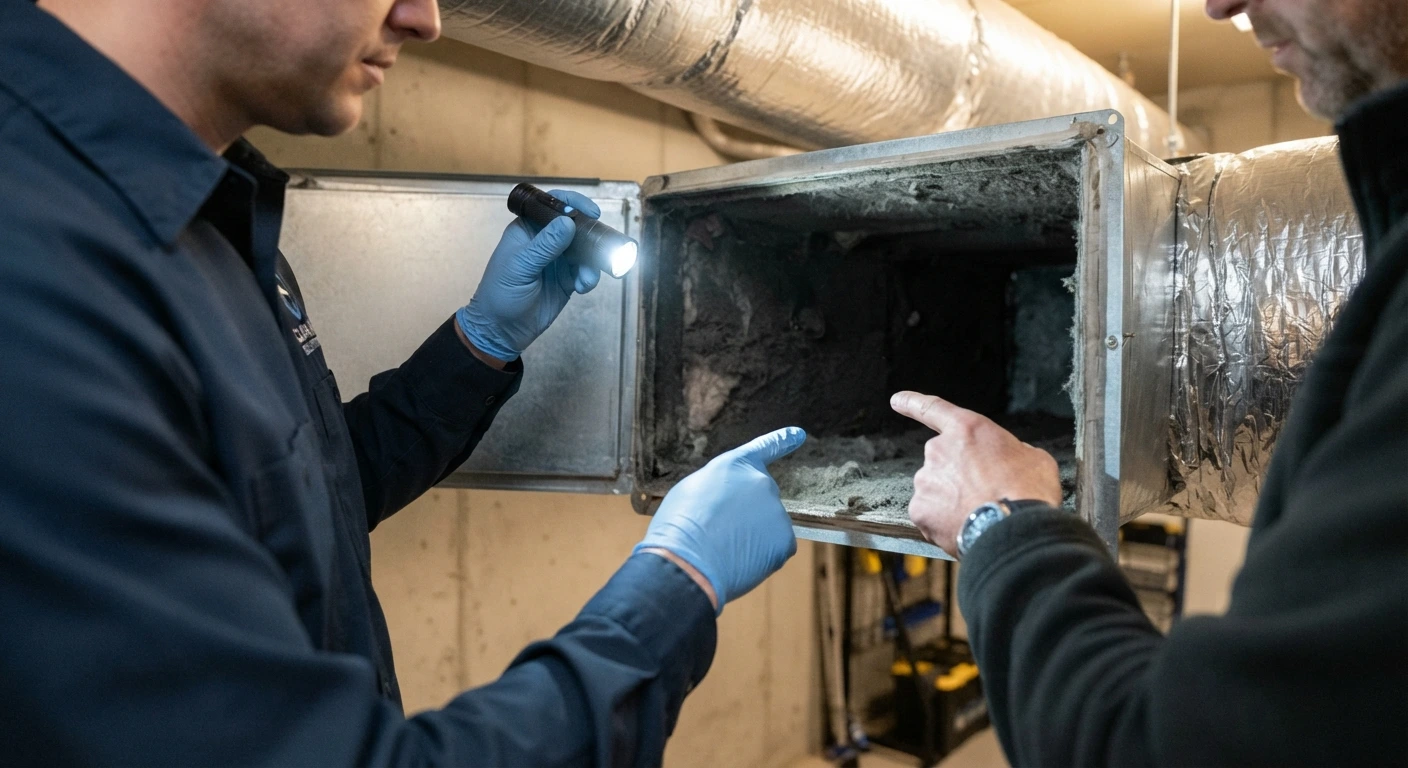
- Proper inspection: Professionals inspect for vent damage, improper installation, disconnected sections, or crushed ductwork. They identify problems you wouldn’t notice until failure.
- Safety compliance: Professional cleaners follow NADCA standards (specifically the DEDP standard for Dryer Exhaust Duct Performance), ensuring the cleaning meets fire safety requirements.
DIY maintenance, such as cleaning your lint trap after every load and checking the exterior vent opening periodically, is necessary. But it doesn’t replace professional cleaning.
What’s the Most that Could Happen if You Skip Cleaning?
There’s something about humans and delaying things till it’s absolutely necessary to get them done.
Let’s talk about what happens when you don’t clean your dryer vent.
Fire Risk
Nearly 5,000 preventable dryer fires happen every year because of lint buildup, causing an average of 5 deaths, 100 injuries, and $35 million in property damage annually.
Home fires destroy possessions, displace families, and cost lives. Most dryer fires are completely preventable with regular cleaning. A little extra planning goes a long way.
Energy Costs Increase
When your dryer works harder and runs longer, it uses more electricity or gas. The Department of Energy estimates that a clogged vent can increase energy consumption by 30%, which is $30-60+ in wasted energy annually, which actually pays for the cleaning itself.
Your Dryer Wears out Faster
When the vent is clogged, the system overheats and components experience excessive stress, shortening the dryer’s lifespan by years. Replacing a dryer vent costs $400-$1,200+. Regular vent cleaning at $100-$200 per visit is dramatically cheaper.
Moisture Damage
If the dryer can’t properly vent moisture outside, that humidity ends up in your walls and living spaces, potentially causing mold growth, paint damage, and structural issues.
What Your Scheduling Strategy Should Look Like
Being 100% on top of every homeowner responsibility at all times is basically a myth. Life happens, laundry piles up, and calendars get ignored.
That said, dryer vent maintenance is one of those things that’s worth a little planning because the payoff is real, a safer home, better dryer performance, and lower energy bills.
Start with an Annual Clean
At a minimum, schedule dryer vent cleaning once a year and treat it like any other recurring home maintenance. Put it on your calendar as a repeating reminder so you don’t have to rely on memory alone.
In Boston, fall is an especially great time to do it. You’ll be heading into winter when dryers work overtime, windows stay shut, and the last thing you want is a clogged vent when laundry day becomes a weekly marathon.
Adjust for Real-life Laundry Habits
If your home checks two or more heavy-use boxes, big family, shedding pets, extra-long vent runs, or lots of bulky fabrics like towels, hoodies, and bedding, you’re asking more from your dryer than average.
In those cases, moving to twice-yearly cleanings is preventative care.
Don’t Wait For the Dryer to Cry for Help
Yes, warning signs are great. Longer dry times, hot laundry rooms, or anything resembling a burning smell should get your attention immediately. But those signs shouldn’t be your only reminder.
By the time symptoms show up, lint buildup is already restricting airflow, and that’s when efficiency drops, and fire risk goes up. The goal is to clean the vent before your dryer starts sending distress signals.
Keep Simple Records
You don’t need a spreadsheet; just jot down the date of service and any notes about buildup or airflow issues. Over time, this helps you dial in the right cleaning schedule for your home.
Maintenance records can be surprisingly useful for insurance questions, warranty claims, or even during a home sale when buyers want proof that the house has been cared for.
Professional Dryer Vent Cleaning in Boston Starts Here!
If you’re in the Boston area and haven’t had your dryer vent professionally cleaned in the past year, or if you’ve never had it done, now’s the time.
Delta Clean Air specializes in dryer vent cleaning in Boston for residential properties. Our team uses professional-grade equipment to clean the entire vent system, inspect for safety issues, and make sure your dryer operates efficiently and safely.
Don’t wait for warning signs or risk becoming part of the dryer fire statistics; schedule your cleaning and protect your home!