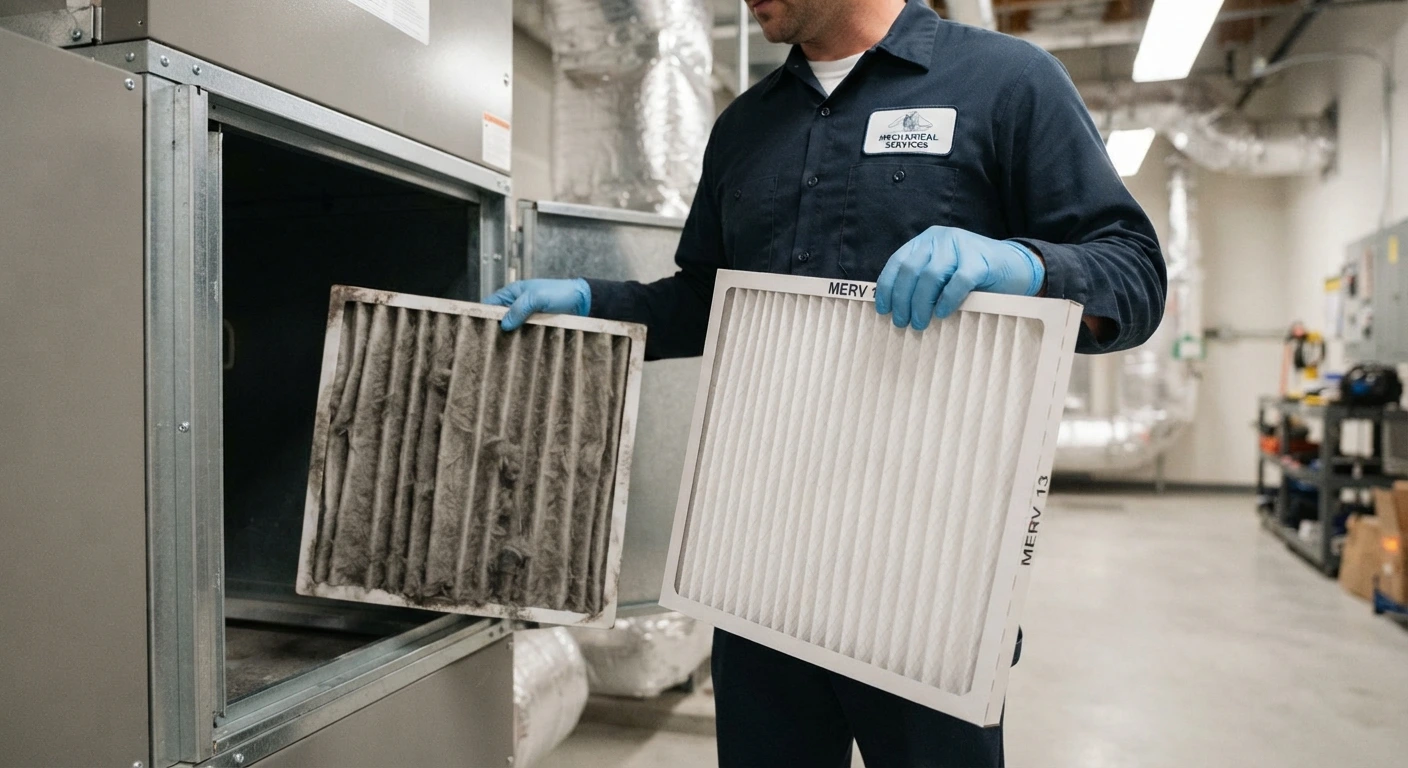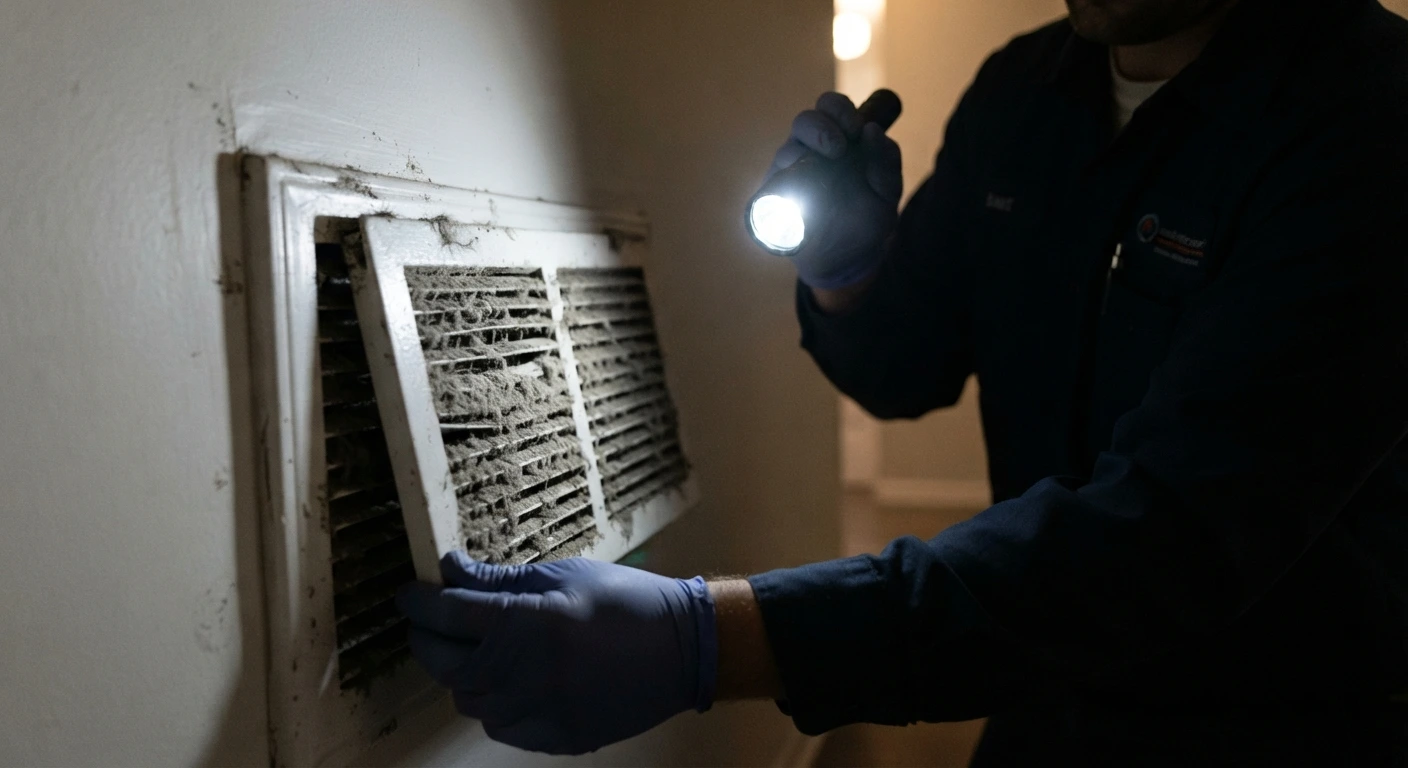

Every day, approximately 56 million students and educators walk into classrooms across the United States. What they don’t see, however, is what’s circulating above their heads: a potential toxic mix of mold spores, dust particles, and debris.
If you’re responsible for maintaining a school or university, keeping your students and staff healthy is your top priority. What most people don’t realize is how dramatically the HVAC ductwork affects the air quality throughout the entire building.
The stakes are high. Poor indoor air quality leads to increased sick days, reduced concentration, respiratory problems, and, in severe cases, long-term health issues that follow people for years.
Commercial air duct cleaning is about creating an environment where learning can truly flourish. Here’s what you need to know:
What Air Quality Challenges are there in Schools and Universities?
According to the Environmental Protection Agency, indoor air pollution levels can be two to five times higher than outdoor levels, with some instances reaching concentrations 100 times greater than outdoor levels.
In 2024, the EPA reported that 25 % of public schools report having unsatisfactory ventilation systems, while 20 % describe their overall indoor air quality as inadequate. These are grave numbers that affect millions of lives on a daily basis.
The question is, why?
- High occupancy density: More people breathing, moving, and generating airborne particles in enclosed spaces than in typical commercial buildings
- Extended operating hours: Limited time for deep cleaning and maintenance during evenings and weekends
- Aging infrastructure: Many schools operate in older buildings with HVAC systems that weren’t designed for current occupancy loads or modern air quality standards
- Budget constraints: Deferred maintenance often leads to deteriorating air quality over time
- Multiple-use spaces: Cafeterias, gymnasiums, labs, and classrooms each generate different types of contaminants
The consequence of this extends far beyond mere comfort. Here’s what’s at stake:
- Students in schools with poor air quality show measurably lower test scores and higher absenteeism rates
- Teachers in these environments report more sick days and reduced job satisfaction
- Facility operating costs increase due to inefficient HVAC performance
- The ripple effects touch every aspect of the educational experience
What’s Inside School and University Air Ducts?
Now that we’ve discussed the consequences, it’s time to take a closer look at what you might find in your institute’s air ducts:
Mold Growth
Mold is one of the most serious threats. These microscopic organisms don’t need much to thrive, just darkness, moisture, and organic material to feed on. Unfortunately, school HVAC systems often provide all three conditions.
Common sources of moisture include
- High occupancy humidity: Hundreds or thousands of people breathing, perspiring, and moving through buildings daily
- Facility-specific moisture sources: Cafeterias, gymnasiums, indoor pools, and science labs that generate excess humidity
- Building envelope issues: Roof leaks, foundation problems, and deteriorating seals that allow moisture infiltration
- Aging infrastructure: Inadequate vapor barriers and degraded insulation in older buildings
- Seasonal condensation: Temperature cycling between heating and cooling that creates condensation within ductwork
What are some health effects of breathing in mold?
Once mold growth takes over, it releases countless microscopic spores into the airstream that can cause:
- Immediate respiratory symptoms: Triggering allergic reactions, asthma attacks, and breathing difficulties
- Cognitive impairment: Mycotoxins that cause headaches, fatigue, and difficulty concentrating
- Long-term health impacts: Prolonged exposure effects that can follow individuals for years
- Academic performance decline: Symptoms that directly interfere with learning and teaching effectiveness
Dust Accumulation
It’s important to note here that the dust you find in schools and universities isn’t your typical household dust. It’s a mixture of particles made from hundreds of thousands of occupants.
Here’s what school and university dust is usually made up of:
- Human biological debris: Skin cells and hair from massive daily populations
- Educational materials: Paper fibers from books, worksheets, and classroom activities
- Art and classroom supplies: Chalk residue, paint particles, and craft material debris
- Food-related particles: Crumbs and organic matter from cafeterias and classroom snacks
- Outdoor pollutants: Pollen, dirt, and exhaust particles entering through doors, windows, and ventilation intakes
- Cleaning chemical residues: Particles from various cleaning products used throughout facilities
Problems created by dust accumulation
- Reduced HVAC efficiency: Thick dust layers reduce airflow, forcing systems to work harder and consume more energy
- Mold growth catalyst: Accumulated debris provides food sources for mold colonies
- Pest attraction: Organic particles create hiding places and food sources for insects and rodents
- Continuous redistribution: Disturbed dust is blown throughout buildings every time systems operate
Debris
You’d be surprised to know just how many health hazards and system inefficiencies stem from debris alone.
Here are some of the most common ductwork debris you’ll find in schools and universities:
- Construction materials: Remnants from renovations or repairs that can remain in ducts for years
- Pest-related contamination: Rodent droppings, insect remains, and nesting materials that carry diseases
- Chemical residues: Accumulated cleaning products, pesticides, and building material off-gases
- HVAC system components: Deteriorated insulation, filter fragments, and equipment debris
Also Read: Top 10 Ways Air Duct Cleaning Can Improve Your HVAC System
What Health Impacts Does Dirty Ductwork Have on Students and Staff?
If you think dirty ductwork is just simply causing mere discomfort, you may want to think again. Studies have time and again confirmed that poor air quality correlates directly to an increased number of absentees, poor academic performance, and short-term and long-term health problems.
Short-term health problems
- Coughing, sneezing, and throat irritation
- Asthma and worsening of existing respiratory conditions
- Breathing difficulties
- Respiratory infections
- Reduced concentration and attention span
- Impaired memory formation and information retention
- Increased mental fatigue
- Lower standardized test scores
Long-term health problems
- Severe allergic responses
- New sensitivities in previously unaffected individuals
- Chronic hay fever symptoms
- Autoimmune disorders
- Chemical sensitivities
- Chronic fatigue
When Do Schools and Universities Need Professional Air Duct Cleaning?
Knowing when to get commercial air duct cleaning requires attention to both obvious signs and subtle indicators that contamination has reached problematic levels.
Visible Warning Signs
- Mold growth around vents or on accessible ductwork surfaces
- Excessive dust accumulation that reappears quickly after cleaning
- Unusual dust colors or textures indicating specific contamination sources
- Pest evidence, such as droppings or insect debris, near air vents
- Damaged or deteriorated ductwork components are visible from the outside
Subtle Indicators
- Persistent odors coming from vents, especially musty or unpleasant smells
- Inconsistent airflow between different areas of the building
- Temperature control problems in certain zones or rooms
- High humidity levels that don’t respond to HVAC adjustments
- Visible particulates in the air when sunlight streams through windows
Health and Performance Concerns
- Increased respiratory complaints from students and staff
- Patterns of symptoms that worsen indoors compared to outdoors
- Higher absenteeism rates without other obvious causes
- Complaints of stuffiness or difficulty concentrating in specific areas
- Frequent requests to keep windows open for fresh air
Operational Issues
- Reduced HVAC efficiency and higher energy costs without equipment changes
- Frequent equipment breakdowns or maintenance requirements
- Filter replacement needs to be done more often than the manufacturer’s recommendations
- Uneven heating or cooling throughout the facility
- System cycling more frequently than normal operation patterns
What Does a Professional Cleaning Process Include?
Your commercial air duct cleaning is only as good as the person you hire to do it for you. Here’s what a professional cleaning process typically entails:
Pre-Cleaning Assessment
Professional cleaning begins with a comprehensive evaluation:
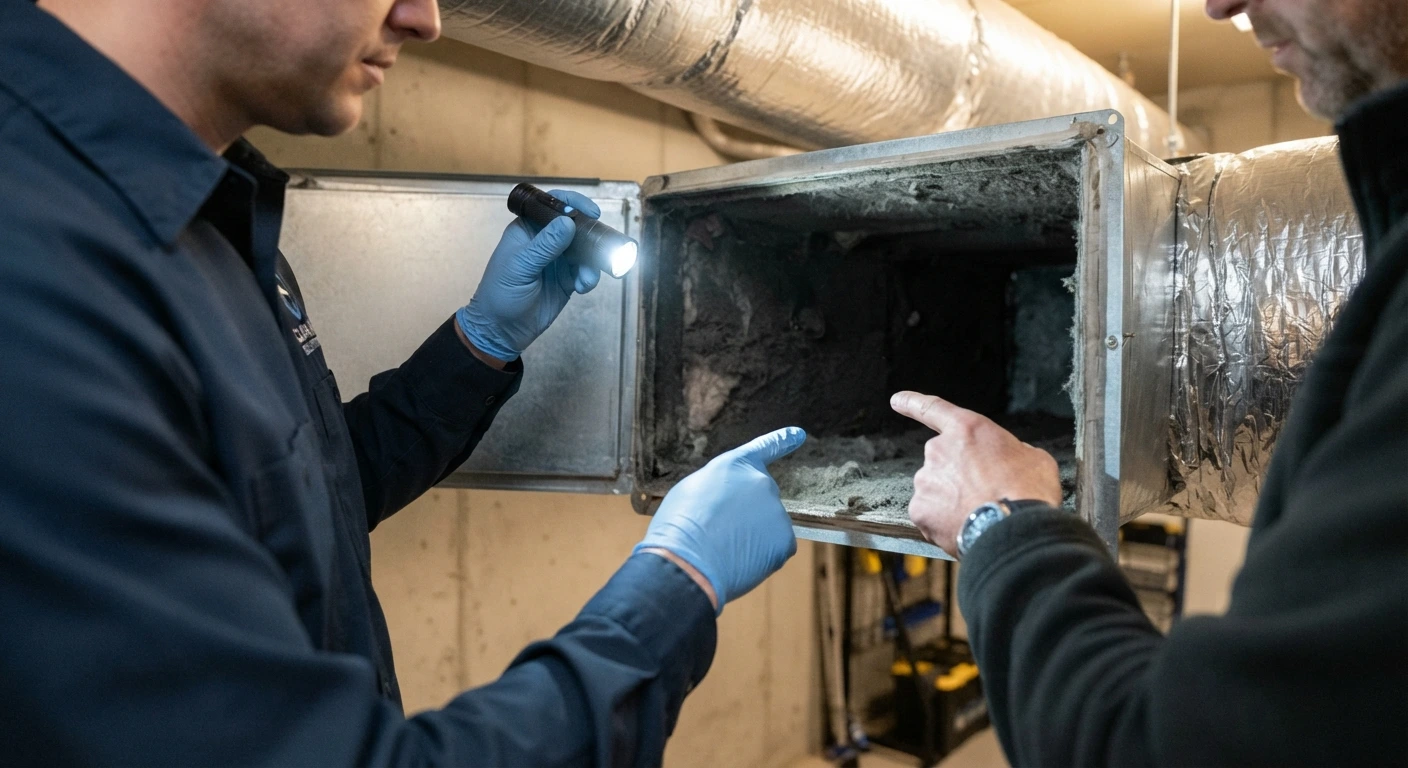
- System inspection using cameras and diagnostic tools to identify contamination levels
- Problem area identification to determine appropriate cleaning methods
- Repair needs assessment to identify modifications that prevent future problems
- Access point planning to reach all areas of complex duct networks
- Containment strategy development to prevent contamination spread during cleaning
Mechanical Cleaning Methods
The actual cleaning process involves multiple specialized techniques:
- Negative pressure systems using truck-mounted or portable vacuum equipment
- Rotating brush systems to dislodge stubborn contaminants from duct surfaces
- Compressed air tools for detailed cleaning of hard-to-reach areas
- HEPA filtration to capture removed contaminants and prevent redistribution
- Sequential cleaning of different system components for thorough contamination removal
Advanced Treatment Options
When biological contamination is present:
- EPA-registered antimicrobial treatments to eliminate remaining mold spores
- Sanitization protocols specific to different types of contamination
- Odor neutralization to eliminate persistent smells from biological sources
- Preventive treatments to inhibit future mold growth in problem areas
- Air quality testing to verify treatment effectiveness
Quality Assurance and Verification
Post-cleaning verification ensures complete contamination removal:
- Camera inspections to document cleaning thoroughness
- Airflow measurement to confirm restored system efficiency
- Air quality testing to verify contamination elimination
- System performance evaluation to ensure proper operation
- Documentation provision for facility records and regulatory compliance
Why Clean Air Makes a Real Difference in Schools and Universities
We tell schools and universities this all the time: when you invest in professional commercial and residential air duct cleaning, you’re not just checking a box on a maintenance list.
You’re making a choice that affects every single person who walks through your doors.
A student sitting in a stuffy classroom, fighting off a headache and struggling to focus, isn’t going to perform their best on that math test. A teacher dealing with constant throat irritation and fatigue isn’t going to bring the same energy to their lesson plans.
We’ve all been in those buildings where something just feels off about the air.
Maybe it’s a musty smell that hits you when you walk in.
Maybe it’s that feeling of stuffiness that makes you want to crack open a window, even in winter.
That’s your body telling you something’s not right.
When schools take care of their air quality, everything else starts falling into place. Students show up more often because they’re not constantly getting sick. Teachers feel better and stay in their jobs longer. Energy bills go down because the HVAC system isn’t fighting against clogged, dirty ducts.
Taking Action and What This Means for Your School and University
Look, we get it.
You’re juggling a hundred different priorities, and the air ducts aren’t at the top of your to-do list. But here’s what we’ve learned after years of working with schools and universities: the facilities that stay ahead of air quality problems are the ones that create the best environments for learning.
Start by taking a walk through your building with fresh eyes.
- Notice any persistent odors?
- Areas that feel stuffier than others?
- Classrooms where teachers always seem to have the windows cracked open?
These are all clues that your ductwork might need attention.
The good news is that commercial air duct cleaning isn’t something you need to do every year. When it’s done right by professionals who know educational facilities, it’s an investment that protects your building and everyone in it for years to come.
Making the Right Choice for Your Educational Facility
The research is clear, and the choice is yours. Commercial air duct cleaning isn’t just another maintenance expense; it’s an investment in the health, performance, and success of everyone who uses your building.
When you’re ready to take this important step, Delta Clean Air understands exactly what schools and universities need. We know your budgets are tight, your schedules are demanding, and your standards are high.
That’s why we’ve developed a comprehensive approach to commercial air duct cleaning that delivers real results without disrupting your educational mission.
We’re helping you create an environment where learning comes first, where teachers want to work, and where students can focus on reaching their potential. Because at the end of the day, that’s what really matters.
Give us a call today, and let’s make a productive environment for everyone.