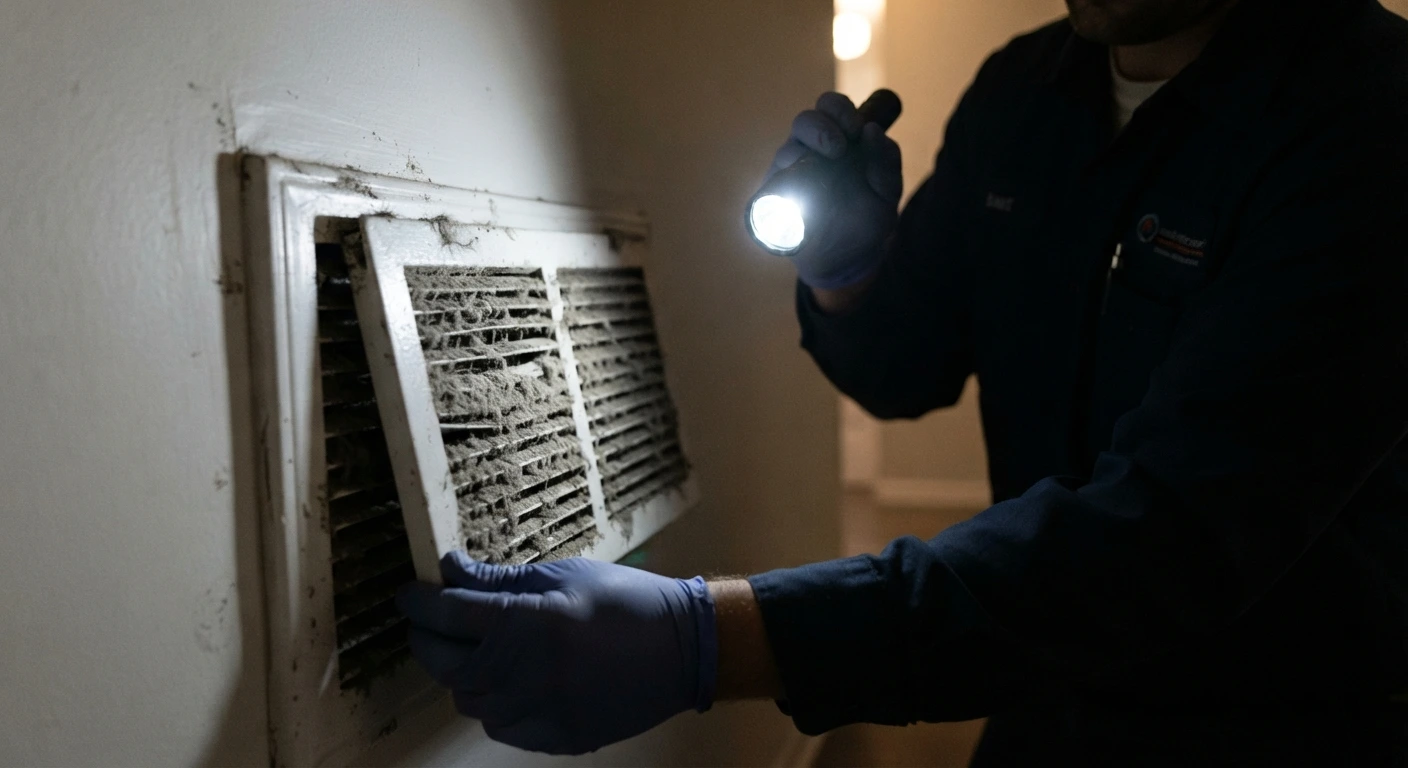
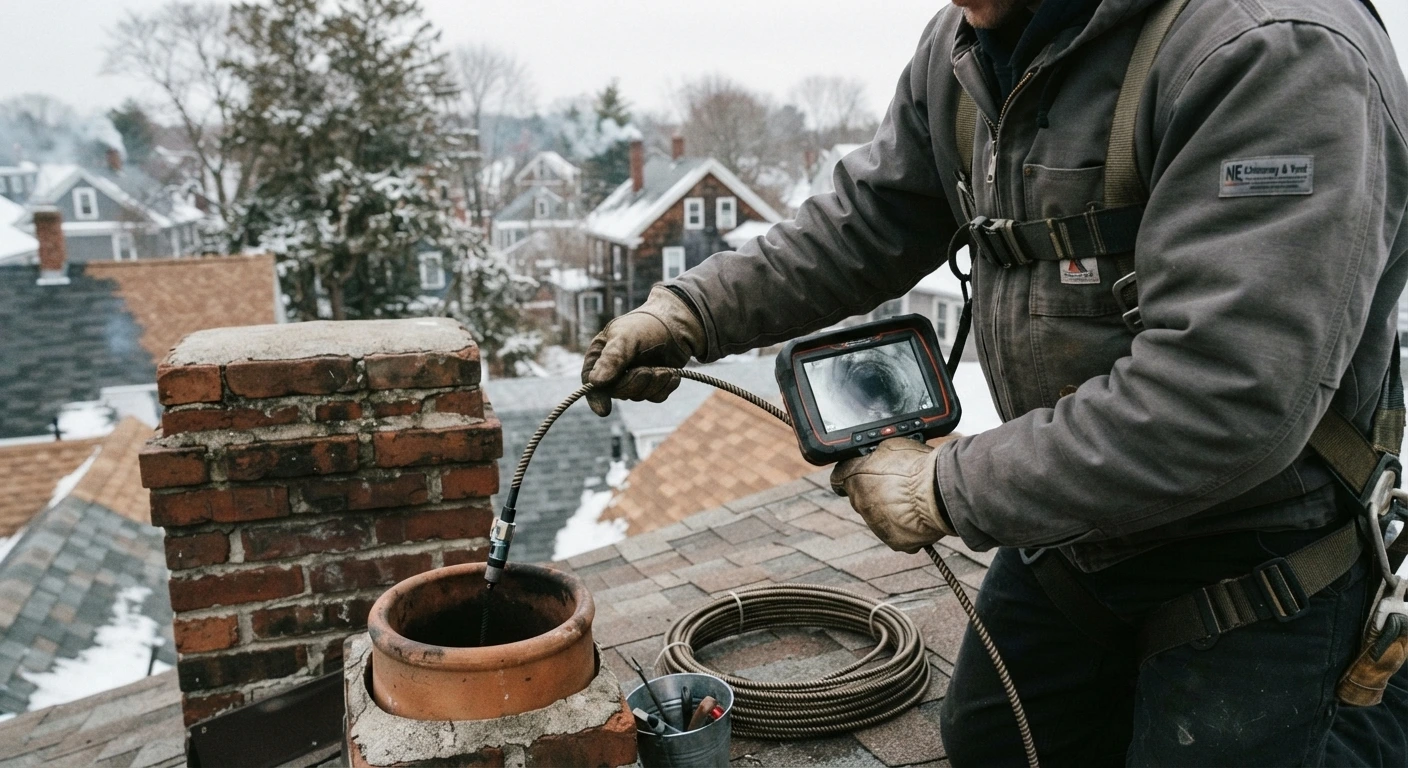
Before you light the first fire of a Boston winter, there is one job worth doing first. A chimney quietly collects creosote, cracks, nests, and moisture damage over the year, and none of it is visible from your living room. A professional chimney inspection catches those hazards before they become a fire, a carbon monoxide risk, or a five-figure repair. If you are booking a chimney inspection Boston homeowners can rely on, here is exactly what a technician checks, the three inspection levels, and a full breakdown of what you can expect to pay.
Why a Chimney Inspection Matters
A chimney inspection is a documented safety check of your entire venting system, not a glance up the flue. The industry authority and the national fire code both recommend an annual chimney inspection, whether or not you use the fireplace often. That yearly check exists because chimneys deteriorate from weather, thermal cycling, and creosote in ways you cannot see from the firebox. An idle chimney is not exempt either, since animals, debris, and moisture damage a flue that never sees a flame.
The Three Levels of Chimney Inspection
The national standard, NFPA 211, defines three inspection levels, each with a different scope. Knowing them helps you understand what you are paying for. Our guide to what a chimney sweep does covers these same three levels in more depth if you want the full picture.
Level 1: The Standard Annual Inspection
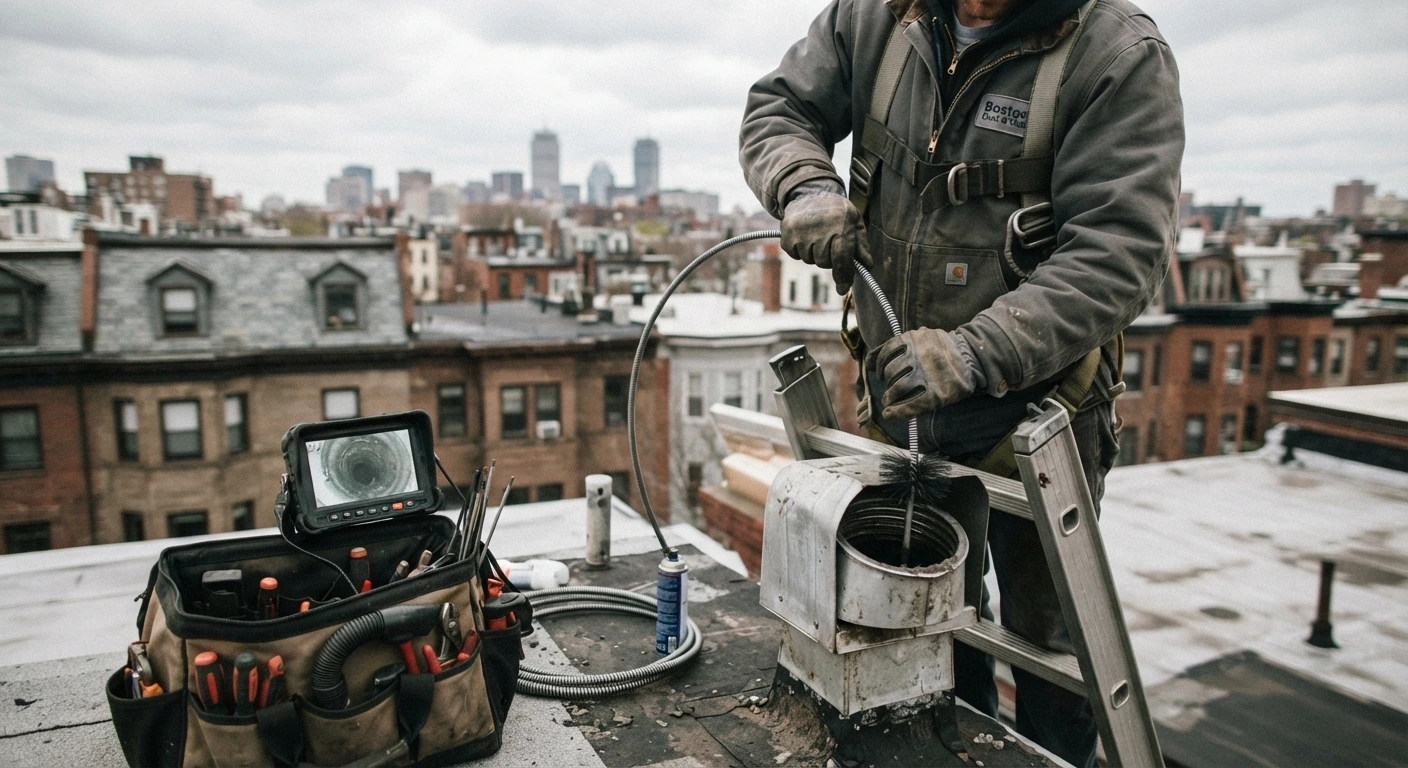
Level 1 is what most homes need each year for a chimney in normal use with no changes. The technician visually checks all readily accessible areas: the firebox, damper, the visible flue from below, the smoke chamber, and the exterior masonry, cap, and crown. This is the routine baseline that confirms your system is sound and ready for the season.
Level 2: Required for Sales, Fires, and Changes
Level 2 includes everything in Level 1, plus a video camera scan of the full flue interior and a look at accessible attic, basement, and crawlspace sections. It is required in specific situations:
- Buying, selling, or transferring a home
- After a chimney fire, storm, or earthquake
- When you change the fuel type or heating appliance
- When a Level 1 check raises a concern
Level 3: When a Hidden Hazard Is Suspected
Level 3 is the most thorough and the least common. It is reserved for when a Level 1 or 2 finds evidence of a serious, concealed problem that cannot be seen otherwise. Reaching it may mean removing masonry, a chase cover, or part of the structure, which is why it is rare in everyday residential use.
What’s Checked During a Chimney Inspection
Whatever the level, a proper inspection works through the whole system, inside and out. A technician examines each of these:
- Flue and liner: Cracks, gaps, and deterioration that let heat or gases escape
- Firebox and damper: Damage, rust, and whether the damper seals and operates
- Smoke chamber and shelf: Creosote buildup and construction flaws
- Chimney cap: A missing or damaged cap that lets in rain and animals
- Crown: Cracks in the concrete top that admit water
- Masonry and mortar joints: Spalling brick and failing mortar, common in older homes
- Flashing: The seal where the chimney meets the roof
- Clearances: Proper distance from combustible materials
- Blockages: Nests, leaves, and debris obstructing the flue
- Draft and carbon monoxide risk: Whether the system vents safely
A written report with photos should follow every inspection. That documentation is what turns a visit into something you can act on.
What a Chimney Inspection Costs in Boston
Cost comes down almost entirely to the level of inspection, with a few local and situational factors on top. The table below shows the typical Boston-area ranges.
| Inspection Level | What It Covers | Boston Cost Range |
|---|---|---|
| Level 1 | Visual check of all accessible areas | $100 – $250 |
| Level 2 | Level 1 plus a full video flue scan | $300 – $600 |
| Level 3 | Level 2 plus opening concealed areas | $1,000 – $5,000+ |
Nationally, the average inspection runs around $450, and dense metro areas like Boston tend to be toward the higher end of each range. Here is how those numbers break down in practice.
What Each Level Buys
Level 1 ($100 to $250): The standard annual visual check of accessible interior and exterior areas, with a written report. This is all most homes in normal use need.
Level 2 ($300 to $600): Everything in Level 1 plus a camera scan of the full flue and a look at attics, basements, and crawlspaces. Required for home sales and after fires or changes.
Level 3 ($1,000 to $5,000+): Investigation-grade work that opens up masonry or structure to reach a concealed hazard. Rare, and only after a lower level flags a serious problem.
Bundled With a Chimney Sweep
Most homeowners book a Level 1 inspection together with an annual \\\\\\\\\\\\ which is where the real value sits. A combined sweep and inspection typically runs $150 to $400, less than paying for each on its own. The technician clears the creosote and debris, then inspects the system in the same visit.
Gas Fireplace Inspections
A gas fireplace still needs an annual safety check, usually a smaller job at $80 to $150. The inspection covers the burner, pilot, ignition, gas valve, venting, and safety shutoffs. Gas combustion produces moisture that corrodes a flue liner over time, which is why skipping this check is a costly mistake.
What Moves the Final Price
Beyond the level, a few things push the number up or down:
- Access and roof height: A tall, steep, or hard-to-reach chimney takes more time and equipment
- Number of flues: A home with several fireplaces or appliances needs more checking
- Chimney condition: A neglected or heavily used system takes longer to assess
- Location within Greater Boston: Travel and local demand nudge pricing
A clear, itemized quote before booking is the mark of an honest company. Treat a suspiciously cheap or free inspection with caution, since it often leads straight into a hard sell for major repairs.
Repairs Are Priced Separately
An inspection tells you the condition of your chimney. It does not include any repairs it uncovers, which are quoted on their own, from a new cap or crown patch to a full flue relining. Getting the diagnosis in writing lets you compare repair quotes fairly rather than approving work on the spot.
Boston Homes: Extra Reasons to Inspect
Boston’s older housing stock and hard freeze-thaw winters are tough on masonry chimneys. Water seeps into small cracks, freezes, and widens them season after season, while aging brick and mortar deteriorate faster than in milder climates. For many local homes, the annual inspection is what catches this damage before it spreads.
How Often You Need a Chimney Inspection
Once a year is the rule, ideally before heating season begins. The yearly habit matters because many chimney fires burn slowly and go undetected until an inspection finds the damage they leave behind. Beyond the calendar, book a chimney inspection in Boston sooner if any of these apply:
- You are buying or selling the home
- You have had a chimney fire, however minor
- A major storm may have caused damage
- You have changed your heating appliance or fuel
- The chimney has sat unused for a year or more
Catching a problem early is always cheaper than repairing the damage it causes. A yearly check is a small price for peace of mind through the winter.
Red Flags: Book an Inspection Now
Do not wait for the annual date if you notice a strong smoky smell, a white or crusty buildup in the flue, falling debris in the firebox, a damper that sticks, or dark staining on the chimney exterior. Any of these can signal a hazard that needs a professional eye right away.
FAQs
How much does a chimney inspection cost in Boston? A Level 1 inspection typically runs $100 to $250, a Level 2 with a video scan $300 to $600, and a rare Level 3 upward of $1,000. Bundling a Level 1 with an annual sweep, often $150 to $400 together, is the best value for most homes.
How often should a chimney be inspected? At least once a year, per the recognized safety standard, whether or not you use the fireplace. Idle chimneys still collect nests, debris, and moisture damage, so annual checks apply to every system.
Do I need an inspection to sell my house? Yes, a home sale is one of the situations that calls for a Level 2 inspection, which includes a full video scan of the flue. It protects both buyer and seller from inheriting a hidden, costly defect.
What is the difference between a chimney inspection and a sweep? An inspection assesses the condition and safety of the system, while a sweep cleans out creosote and debris. The two are often done together, with the Level 1 inspection bundled into an annual sweep visit.
How long does a chimney inspection take? A Level 1 inspection usually takes 30 to 60 minutes. A Level 2 with a video flue scan takes longer, often an hour or more, depending on the size and condition of the system.
Book Your Chimney Inspection in Boston
A chimney inspection is one of the smallest investments you can make in your home’s safety, and one of the most important before a Boston winter. Knowing what a technician checks, which level you need, and what it should cost puts you in control of the process and the price.
At Delta Clean Air, our certified technicians handle chimney inspections, sweeping, and repairs across Boston and the surrounding area, always with a clear written report and honest, upfront pricing. Request a free quote to book your chimney inspection in Boston before you light the first fire this season.