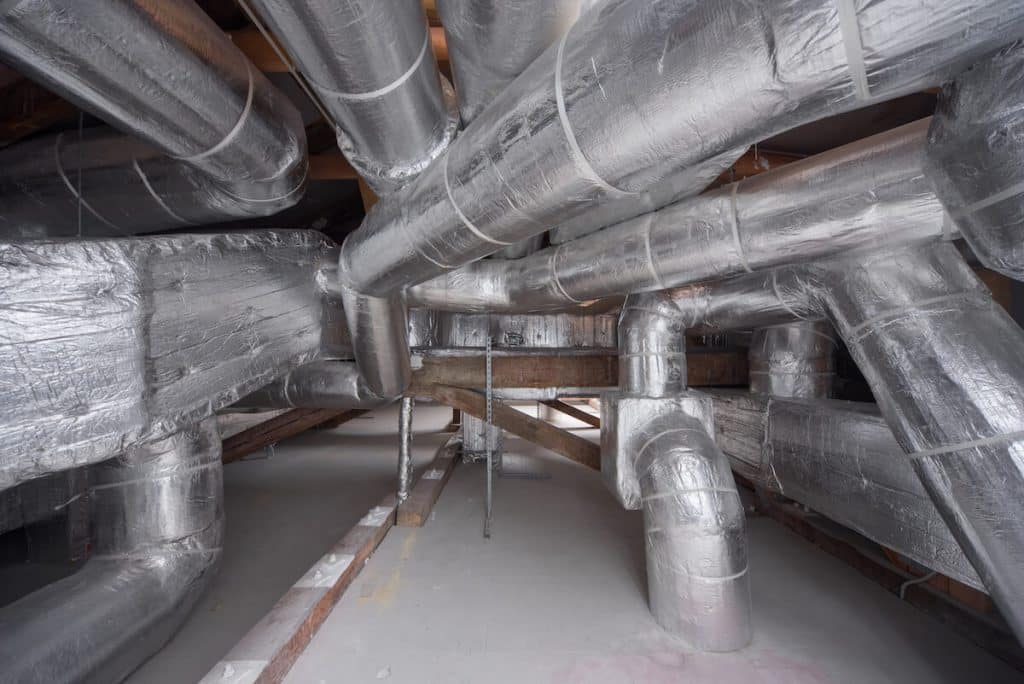
Boston offices and medical facilities run their HVAC systems for long hours, and the people inside notice quickly when the air feels stuffy, dusty, or stale. For facility managers, the harder question is what the rules actually require and where duct cleaning fits into meeting them. The answer depends on whether the building houses desks or patients.
No federal or Massachusetts law requires offices or medical facilities to clean their air ducts on a fixed schedule. Indoor air quality requirements come from several sources, including OSHA’s workplace safety duty, Massachusetts ventilation codes, state health department guidelines, and healthcare design standards. Commercial duct cleaning in Boston supports those requirements by keeping airflow, pressure, and cleanliness where the HVAC system was designed to operate.
Is Duct Cleaning Required for Boston Offices and Medical Facilities?
Duct cleaning itself isn’t mandated, but the conditions it helps maintain often are. Here’s how the main requirements break down:
- OSHA: OSHA does not have indoor air quality standards, but its General Duty Clause requires employers to keep workplaces free of recognized hazards.
- Building Codes: The Massachusetts building code sets minimum ventilation requirements for new and altered commercial buildings, based on national mechanical codes.
- State Health Guidelines: The Massachusetts Department of Public Health uses comfort and ventilation benchmarks when it assesses occupied public buildings.
- Healthcare Design Standards: Licensed medical facilities follow detailed guidelines for ventilation, pressure, and filtration.
- Industry Standards: NADCA recommends inspecting commercial and healthcare HVAC systems every year and cleaning them when inspections show a need.
In practice, dirty ducts, coils, and blowers can push a building out of line with these expectations long before anyone schedules a cleaning.
Indoor Air Quality Requirements for Boston Offices
Office buildings have more flexibility than healthcare settings. They still face clear expectations from employers’ legal duties and state health guidance.
OSHA’s General Duty Clause
OSHA links poor indoor air quality to symptoms like headaches, fatigue, trouble concentrating, and irritation of the eyes, nose, and throat. Without a dedicated IAQ standard, the agency relies on the General Duty Clause. That clause requires employers to protect workers from known hazards, and persistent ventilation problems can fall under it.
Massachusetts Comfort and Ventilation Guidelines
The Massachusetts Department of Public Health uses clear benchmarks when it evaluates indoor air in occupied public buildings. Many private offices use the same numbers as a practical target:
- Carbon Dioxide: Below 800 ppm, with higher levels pointing to ventilation problems
- Temperature: 70°F to 78°F
- Relative Humidity: 40% to 60%
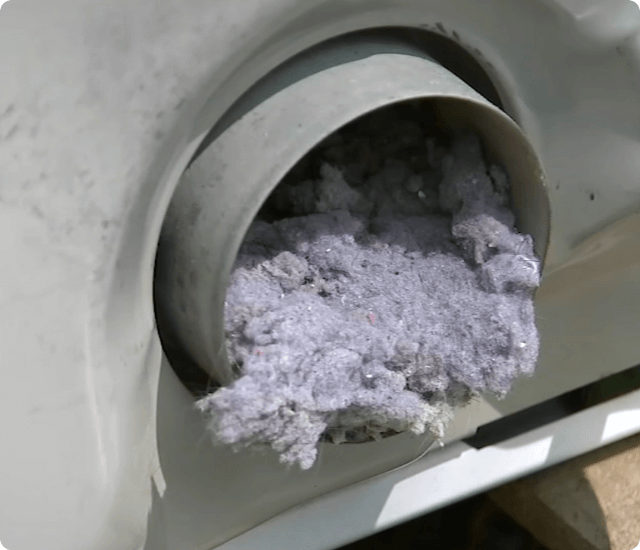
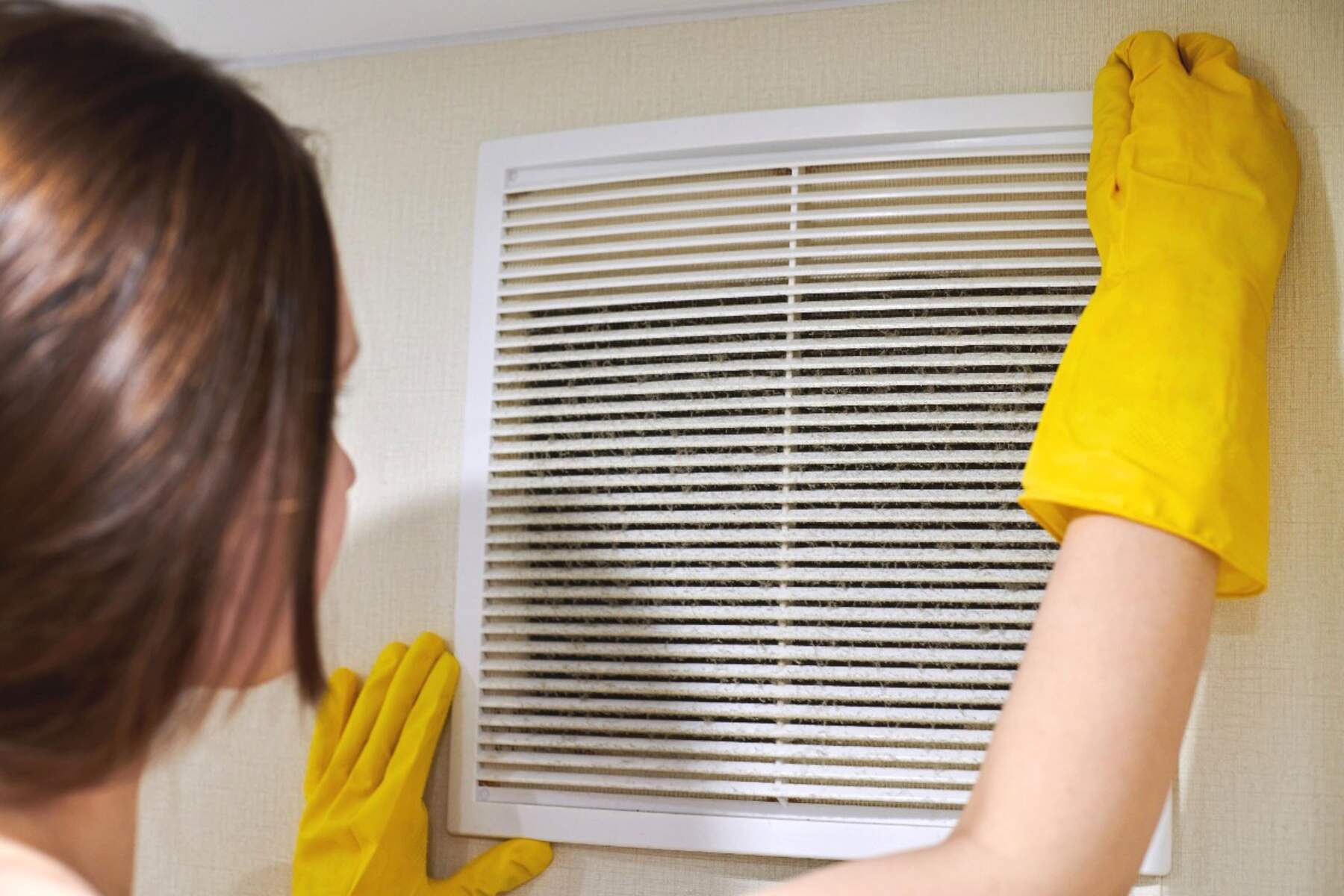
Dirty coils, blocked dampers, and dust-heavy ducts all reduce airflow. When airflow drops, carbon dioxide rises, and temperature control gets harder.
Why Office Air Quality Affects Performance
Air quality complaints are common in office buildings. EPA notes that up to 30% of new or remodeled buildings may be the subject of excessive complaints related to indoor air quality. Another study found cognitive scores were 61% higher in green building conditions and 101% higher with enhanced ventilation compared with conventional conditions. For employers, that connects HVAC upkeep directly to how well staff think and work.
Indoor Air Quality Requirements for Medical Facilities
Medical facilities face far stricter expectations. Ventilation in these buildings controls infection risk as well as comfort, and the rules reflect that.
FGI Guidelines and ASHRAE Standard 170
Massachusetts bases its plan reviews for outpatient facilities and hospitals on the 2022 FGI Guidelines for Design and Construction, which incorporate ASHRAE Standard 170 for healthcare ventilation. These standards set air change rates, pressure relationships between rooms, and filtration levels for different spaces. Guidance from the American Society for Health Care Engineering says that an intensive care unit will have at least 6 air changes per hour. Airborne infection isolation rooms must also stay under negative pressure, with air exhausted directly outdoors.
Infection Control During HVAC Work
CDC guidance treats HVAC maintenance in healthcare buildings as an infection control matter. Its recommendations for healthcare facilities include these steps:
- Coordinate With Infection Control: Plan HVAC maintenance with infection control staff
- Protect Vulnerable Patients: Relocate immunocompromised patients when needed
- Avoid Full Shutdowns: Keep part of the system running where possible
- Clean Grilles Carefully: Clean air duct grilles when rooms are unoccupied
CDC also notes that duct cleaning in healthcare facilities has benefits in terms of system performance, though its value for infection control on its own hasn’t been conclusively shown. Clean ducts work best as one part of a wider program that includes filtration, pressure control, and moisture management.
Containment Expectations
Medical facilities usually need tighter containment than offices. NADCA’s Level 2 containment adds plastic barriers and HEPA air scrubbers, providing at least four air changes per hour. Higher levels add sealed entry areas and continuous pressure monitoring for the most sensitive spaces.
How Duct Cleaning Supports Indoor Air Quality Compliance
Clean ducts don’t satisfy any rule on their own, but they help the HVAC system meet the targets those rules set. The connection shows up in a few specific ways:
- Airflow: NADCA reports an average 10% to 46% improvement in supply airflow once systems are properly cleaned. Better airflow helps buildings hold carbon dioxide, temperature, and humidity targets.
- Pressure Control: Clean ducts and properly set dampers help medical spaces keep the pressure relationships their design requires.
- Moisture and Mold: Cleaning coils and drain pans removes the damp debris that supports microbial growth.
- Filter Performance: Clean systems put less load on filters between scheduled changes.
- Documentation: Cleaning reports give facility managers proof of maintenance for inspections and tenant questions.
Delta Clean Air also provides coil cleaning, blower cleaning, and air duct disinfection with non-toxic agents. Facility managers get one team for every part of the system that shapes indoor air quality.
Commercial Duct Cleaning Boston Facilities Can Rely On
Commercial projects in occupied buildings need more planning than a residential job. For offices and medical facilities alike, a complete project includes:
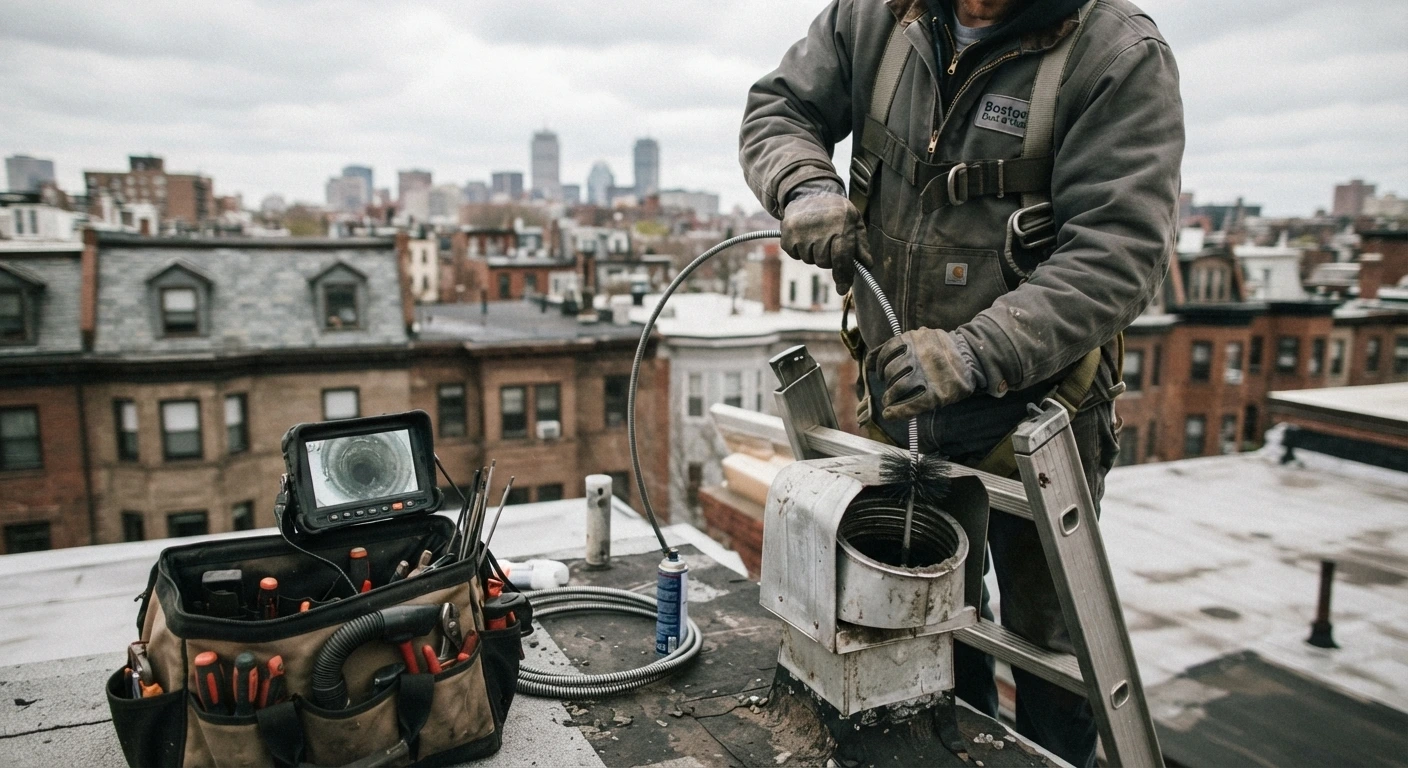
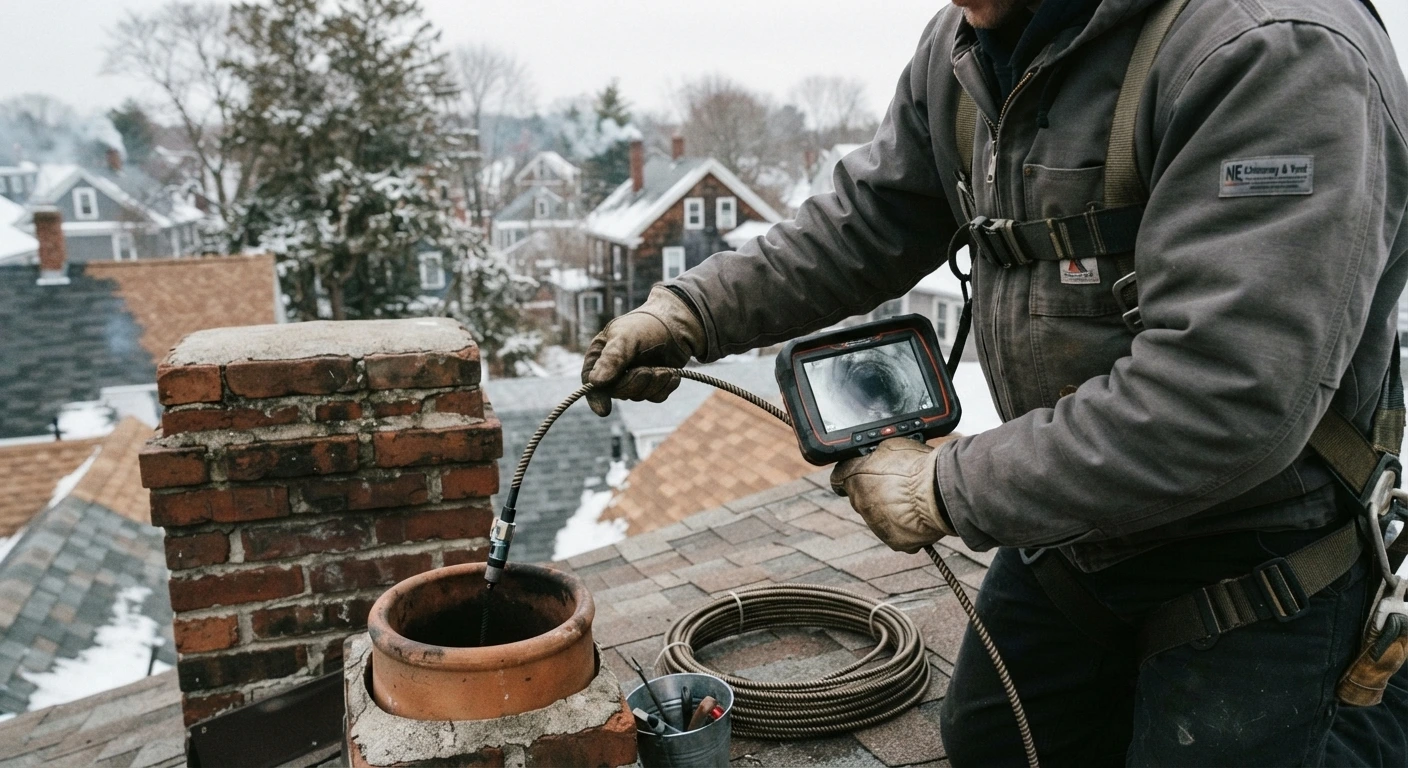
- System Inspection: Check air handlers, ducts, coils, and blowers before cleaning
- Written Scope: Define what will be cleaned and how occupants will be protected
- Containment: Barriers, protective coverings, and HEPA filtration as needed
- Source Removal: Mechanical agitation with suction to pull debris out of the ducts
- Coil and Blower Cleaning: Clean the parts that affect airflow most
- Cleanliness Check: Confirm surfaces are visibly clean or pass the NADCA vacuum test of 0.75 mg per 100 cm²
- Written Report: Record what was cleaned, with photos and findings
Our certified technicians handle commercial air duct cleaning for offices and commercial properties across Boston, and we plan each project around the building’s hours and the people using it.
Office vs Medical Facility Duct Cleaning: Key Differences
Both building types use the same core cleaning method, but the planning around it changes. These are the main differences:
- Scheduling: Offices are often cleaned after hours or on weekends. Medical facilities schedule around patient care, often one zone at a time.
- Containment Level: Offices usually need basic containment. Clinical areas may need barriers, HEPA air scrubbers, and pressure monitoring.
- Coordination: Office work is planned with the facility manager. Medical work also involves infection control staff.
- Products Used: Any disinfecting product should be EPA-registered for its intended HVAC use and reviewed by the facility before application.
- Records: Offices keep reports for maintenance files. Medical facilities often need more detailed documentation for state reviews and accreditation.
How Often Should Boston Offices and Medical Facilities Schedule Duct Cleaning?
NADCA recommends annual inspections for both commercial and healthcare buildings, with cleaning scheduled when an inspection shows a need. Planning commercial duct cleaning in Boston around those yearly inspections keeps the work predictable and easier to budget.
Some events call for an earlier inspection:
- Renovation or Construction: Dust spreads quickly through occupied buildings
- Water Leaks: Moisture near air handlers can lead to mold
- Occupant Complaints: Stuffy rooms, odors, or dust from vents
- Pressure Problems: Isolation or procedure rooms failing pressure checks
- Tenant Changes: New layouts or new uses for the space
Medical facilities often schedule cleaning more frequently, since their ventilation requirements leave less room for buildup.
Keeping an Indoor Air Quality Record
Good records make inspections, tenant questions, and budget planning easier. A useful IAQ file usually includes:
- Inspection Reports: Annual HVAC and duct inspection findings
- Cleaning Reports: Dates, scope, photos, and results
- Filter Logs: Change dates and filter ratings
- Air Readings: Carbon dioxide, temperature, and humidity checks
- Complaint Log: Occupant concerns and how each was resolved
Keeping these records in one place shows a consistent maintenance history. That history matters most when an inspector, tenant, or patient asks how the building manages its air.
Frequently Asked Questions
These are the questions Boston facility managers ask most often about indoor air quality and duct cleaning.
Is air duct cleaning required by law in Massachusetts?
No Massachusetts law requires offices or medical facilities to clean ducts on a set schedule. Building codes, health department guidelines, and healthcare design standards set ventilation and air quality expectations that clean, well-maintained HVAC systems help meet.
Does OSHA have indoor air quality standards for offices?
OSHA has no dedicated indoor air quality standard for offices. Employers still have a duty under the General Duty Clause to provide a workplace free of recognized hazards, and poor ventilation can fall under that duty.
What CO2 level is acceptable in a Boston office?
The Massachusetts Department of Public Health uses 800 parts per million as its guideline for occupied public buildings. Readings above that level usually point to inadequate ventilation, and many private offices use the same target.
How often should medical facilities have their ducts cleaned?
NADCA recommends inspecting healthcare air handlers, supply ducts, and return ducts every year. Cleaning follows when inspections show visible buildup or contamination, and renovations, leaks, or pressure problems in clinical areas often call for earlier attention.
Can duct cleaning be done while a medical office is open?
Yes, with careful planning. Work is usually scheduled after hours or one zone at a time, with containment barriers, HEPA filtration, and coordination with infection control staff to protect patients and keep clinical areas operating.
Does duct cleaning reduce infection risk in healthcare facilities?
CDC guidance says duct cleaning in healthcare facilities benefits system performance, but its value for infection control on its own hasn’t been proven. It works best as part of a program with proper filtration, pressure control, and moisture management.
What records should facility managers keep for indoor air quality?
Keep annual HVAC inspection reports, duct cleaning reports with photos, filter change logs, carbon dioxide and humidity readings, and a log of occupant complaints. These records support inspections, tenant questions, and long-term maintenance and budget planning.
Keep Your Boston Facility’s Air Clean and Well Documented
Boston offices and medical facilities face different indoor air quality expectations, but both depend on HVAC systems that move clean air at the rates they were designed for. Offices answer to OSHA’s general duty and state comfort guidelines, while medical facilities must also meet healthcare ventilation standards and infection control practices. Annual inspections, cleaning when needed, and a clear maintenance record keep both types of buildings ready for occupants, tenants, and inspectors.
Delta Clean Air brings 20 years of experience to commercial duct cleaning in Boston and across Massachusetts. Our certified technicians clean ductwork, coils, and blowers in offices and commercial properties, with air duct disinfection and UV light installation available for facilities that want added protection. We use eco-friendly, non-toxic cleaning agents, offer service around the clock, and provide transparent quotes with no hidden charges.
Call us at (617) 644-4977 or request a quote to schedule commercial duct cleaning for your Boston facility.