Installing a new heat pump is a major investment in your home’s heating and cooling system. But what happens when that new equipment is connected to old ductwork that hasn’t been inspected in years? Before installation, it’s worth checking whether your existing air ducts are ready to support the new system.
You don’t always need air duct cleaning before installing a heat pump in Massachusetts. However, cleaning may be recommended if an inspection reveals excessive dust buildup, debris, pest contamination, or suspected mold inside the ductwork. The condition of your ducts matters, especially when switching from a traditional forced-air system to a ducted heat pump.
For Massachusetts homeowners, the goal is to make sure the new heat pump works with a properly maintained duct system. Knowing when duct cleaning is necessary, what an inspection should cover, and when repairs may be more important can help you prepare for installation without paying for unnecessary services.
Signs Your Ducts Need Cleaning Before Heat Pump Installation
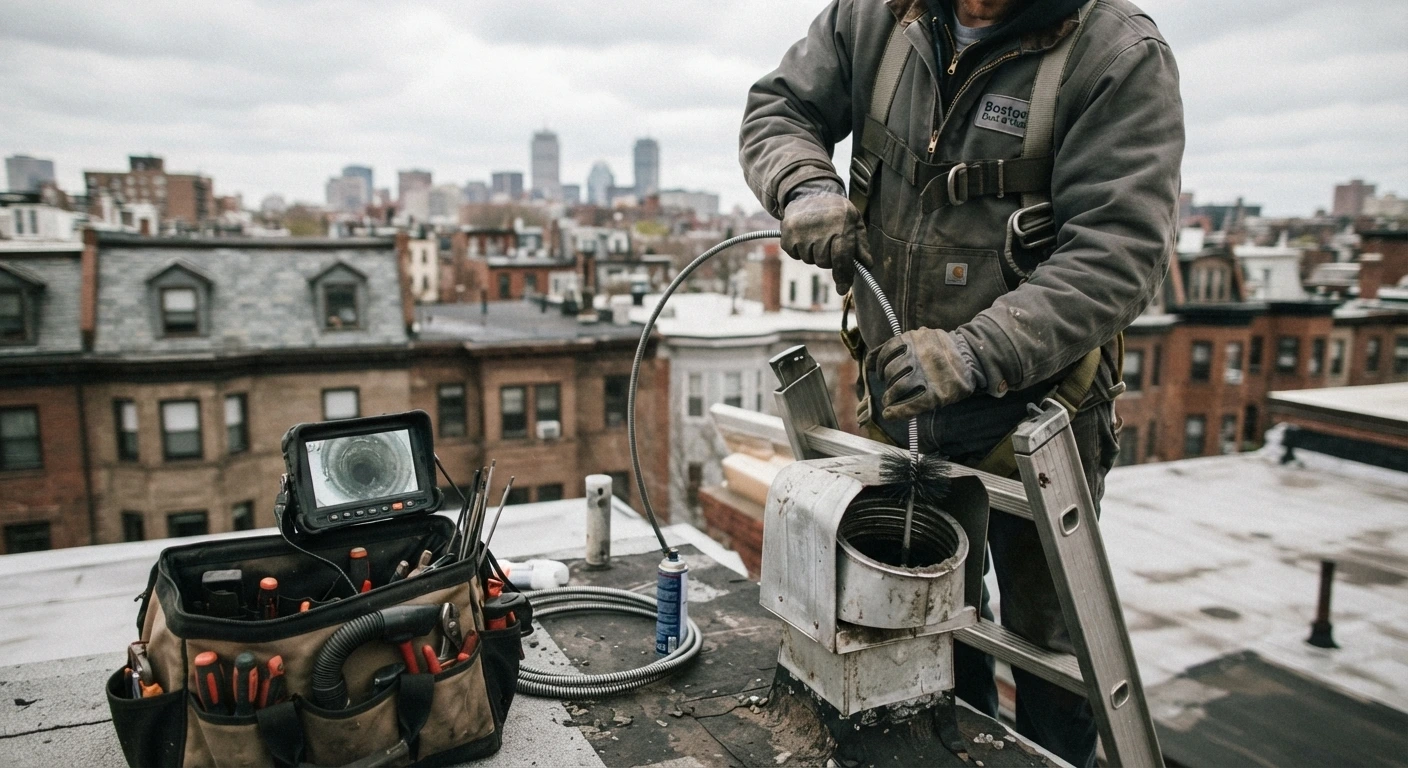
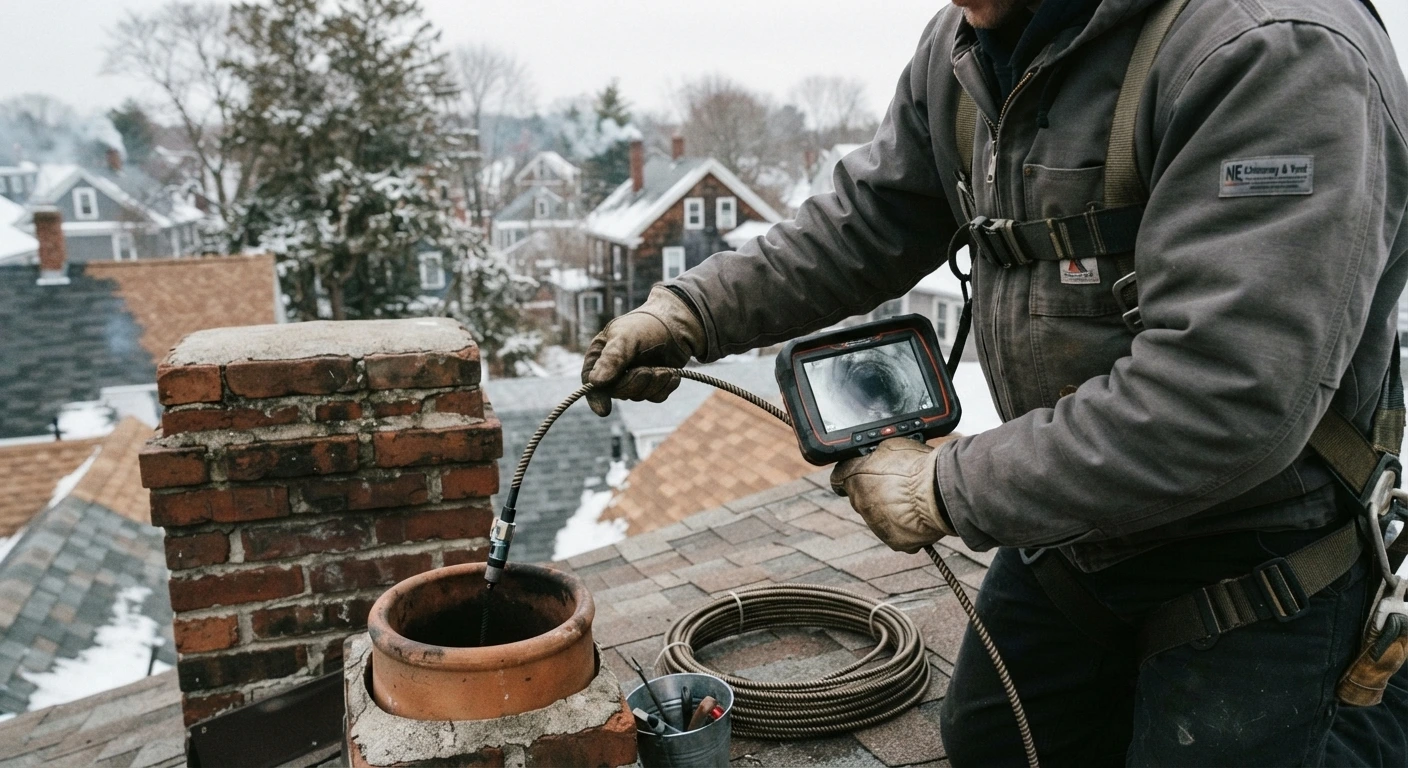
Before installing a heat pump, check whether your existing ductwork has problems that can affect the new system. Dust blowing from supply vents, visible debris inside accessible ducts, and signs of rodent activity deserve closer attention. These clues help you identify when a professional inspection is needed and whether cleaning should take place before installation.
Heavy Dust Blowing Out of Your Ducts
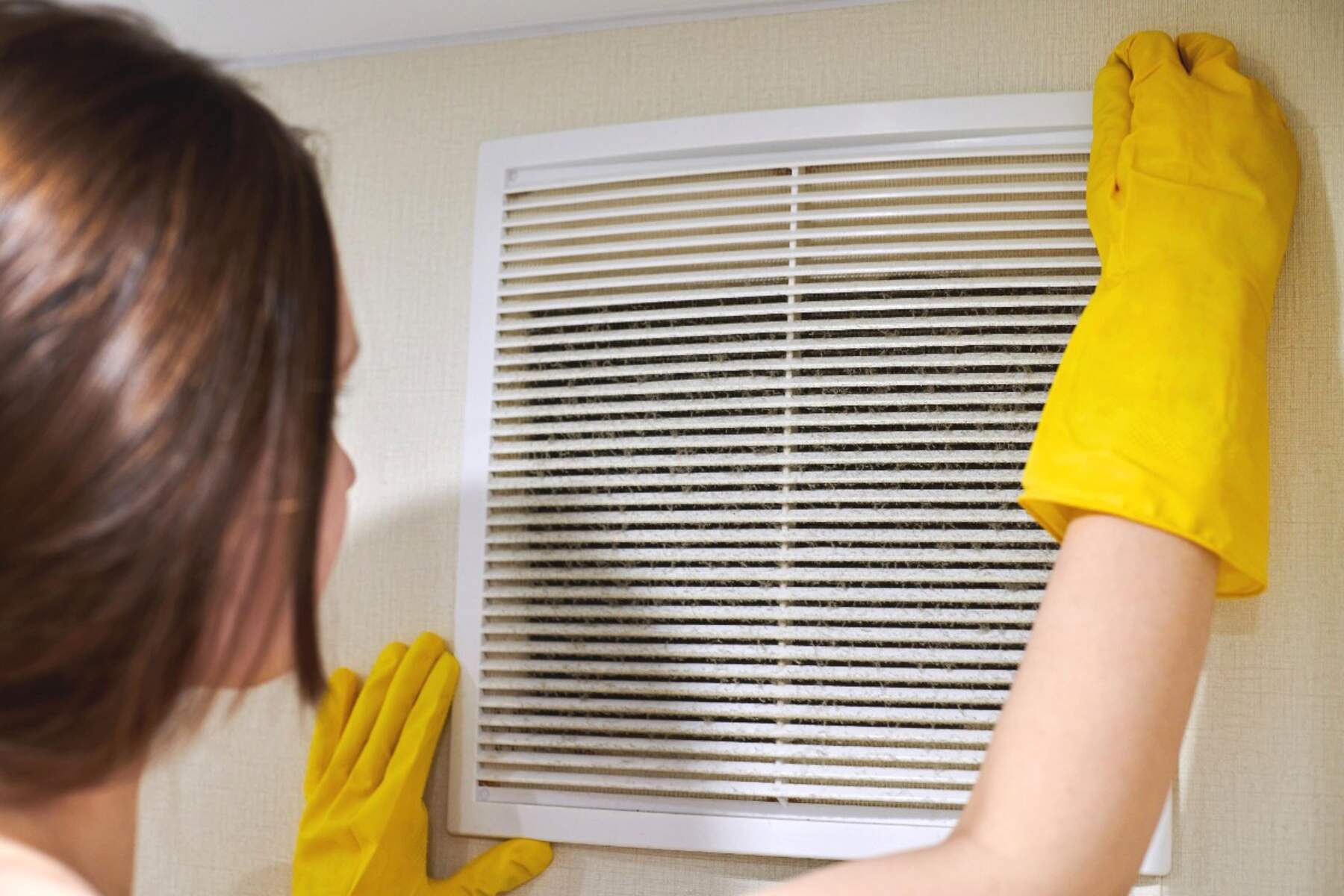
Small amounts of dust near supply vents are common, but repeated clouds of particles when the system runs deserve attention. Check whether visible debris blows from the registers or settles on nearby furniture shortly after the heating starts. The EPA identifies substantial amounts of dust or debris released from supply registers as a reason to consider professional duct cleaning.
Here’s how leaving heavy dust buildup in your ducts can affect your new heat pump’s performance:
Higher Energy Bills
Restricted airflow forces your new heat pump to work harder to distribute conditioned air throughout your home. This extra effort can increase electricity consumption and raise your monthly energy bills. Removing significant dust buildup before installation helps your system deliver air more efficiently.
Uneven Temperatures
Bedrooms and upstairs rooms may remain colder than other areas, even when the heating system is running. Poor airflow through the ductwork makes it harder to maintain consistent comfort throughout your home.
Added Strain on Equipment
Severe airflow restrictions interfere with normal heat pump operation. Leaving significant buildup unaddressed also risks contributing to equipment problems over time.
Have your installer assess the ductwork and check airflow before the new heat pump goes into service. Professional cleaning makes sense when the inspection confirms significant debris that needs removal.
Mold or a Musty Smell Coming From Your Vents
Humid Massachusetts summers and damp basements can create moisture problems in ductwork, particularly in areas without climate control. Mold inside existing ducts releases spores into the air that your new heat pump circulates throughout the home. Address visible mold and lingering musty odors before installation to prevent contamination from carrying over to the new system. The underlying moisture problem also needs attention to reduce the risk of mold returning after cleaning.
Construction Dust Left Behind After a Remodel
Renovation work in Massachusetts homes often leaves drywall powder, sawdust, and insulation fragments near vents and inside exposed duct openings. Once these particles enter the ductwork, the new heat pump may carry them into living spaces as it circulates air. Leftover construction debris also settles along internal duct surfaces, making a post-renovation inspection important before connecting the new equipment. Professional cleaning removes this residue from the existing duct system, helping prevent construction particles from circulating through your home after installation.
Signs of Pest Activity
Rodents and insects inside existing ductwork leave droppings, nesting materials, and other contaminants that need to be removed before the new system begins circulating air. Chewed duct liners and damaged joints also allow heated or cooled air to escape, affecting system performance. Look for these signs when inspecting your ducts:
- Droppings or nesting materials: Check accessible duct sections and areas around vent openings for waste, shredded insulation, or nesting debris.
- Scratching or scurrying sounds: Noises from concealed ductwork may indicate rodents moving through the system.
- Chewed insulation or damaged ducts: Gnaw marks, torn liners, and holes point to pest activity and possible air leaks.
Arrange pest removal and inspect the affected ductwork before connecting the new unit to your existing ducts. Professional cleaning removes residual contamination, while repairs address damage that affects the system. The CDC’s guidance on cleaning up after rodents recommends professional assistance when rodents have entered heating and cooling ventilation systems.
When You Can Skip Duct Cleaning Before Installing a Heat Pump
Not every heat pump upgrade requires additional duct cleaning. Newly installed ductwork and existing ducts cleaned recently by professionals may already be in suitable condition for the new system. The following conditions help you determine when your current duct system is ready for the new equipment without a cleaning service.
Newly Installed Ductwork
Freshly installed ductwork is generally ready for use without additional cleaning when the interiors remain sealed and protected throughout installation. Before the heat pump is connected, the installer should check that the ducts are free of packaging materials, loose insulation, and other debris from the installation process. If the duct interiors are clean and the connections are properly sealed, a separate cleaning service is usually unnecessary.
Ducts Cleaned Recently by Professionals
If your ducts received professional cleaning recently, another service before heat pump installation is usually unnecessary. The key consideration is whether anything has changed since that cleaning, such as renovation work or a new contamination issue. When the ductwork has remained in the same clean condition, you generally have no reason to pay for the same service again.
Should You Clean Your Ducts Before or After Heat Pump Installation?
The timing of duct cleaning depends on the condition of your existing ductwork and the work involved in your heat pump installation. Cleaning beforehand removes existing contaminants, while work performed during installation can introduce new debris into the system. Comparing both options helps you decide when cleaning will be most effective for your project.
| Factor | Cleaning Before Installation | Cleaning After Installation |
| Equipment access | Easier access before the new system is connected | Access depends on equipment placement |
| Installation coordination | Easier to coordinate with the HVAC installer | Requires a separate visit or appointment |
| Known contamination | Removes existing debris before startup | Leaves known contamination until later |
| Additional service costs | May reduce the need for a separate future appointment | A separate visit might increase total costs |
The ideal time to clean your ducts is after the old heating equipment has been removed and before the new heat pump is installed. Coordinate with your HVAC installer and duct cleaning provider to schedule both services in the correct order.
Additional Measures to Improve Your Heat Pump Performance
Duct cleaning addresses debris and contamination, but other factors also affect how efficiently your new heat pump operates. Poorly sealed ducts, unsuitable air filters, and incorrect equipment sizing can limit system performance and increase energy use. Massachusetts homeowners should consider these factors alongside duct cleaning to help their new heating and cooling system operate efficiently:
Duct Sealing and Insulation
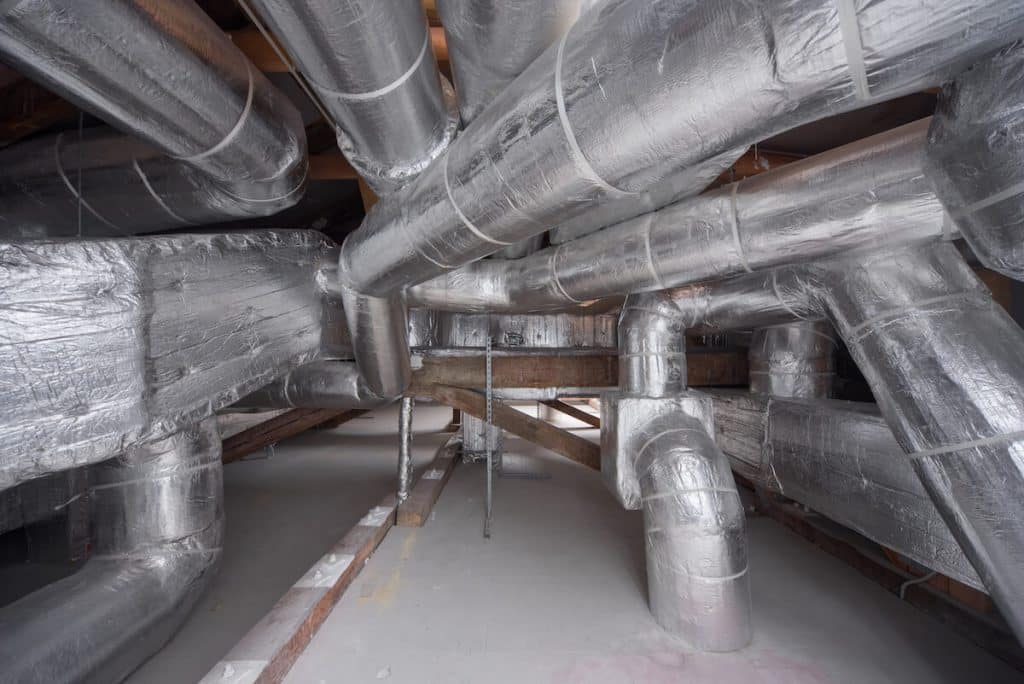
Leaky or poorly insulated ducts waste heated and cooled air, forcing your heat pump to work harder. Sealing leaks and insulating ducts in unconditioned spaces helps reduce energy loss and improve system efficiency.
High-Efficiency Air Filters
Choose a filter that meets your heat pump manufacturer’s specifications. MERV 11 or MERV 13 filters capture finer airborne particles, but the system must support the filter’s airflow resistance. Check the filter monthly and replace it according to its condition and manufacturer recommendations.
Proper Heat Pump Sizing
Heat pumps need to match your home’s heating and cooling demands and the capacity of the existing ductwork. Ask your HVAC contractor to assess the home’s heating and cooling loads, duct sizing, and airflow before selecting the equipment. Proper sizing helps maintain indoor comfort and avoid unnecessary energy use.
Schedule a Duct Cleaning Assessment With Delta Clean Air
Cleaning your ducts before heat pump installation depends on the condition of your existing ductwork and whether debris or contamination needs to be removed. Scheduling an assessment before installation helps you make an informed decision about cleaning and avoid paying for an unnecessary service. If cleaning is needed, completing it at the right stage helps prepare your duct system for the new equipment.
At Delta Clean Air, we help Massachusetts homeowners determine whether their air ducts need professional attention before a heat pump installation. Our team assesses the condition of your ductwork and recommends appropriate cleaning based on its needs. Contact Delta Clean Air today to schedule a duct cleaning assessment and prepare your home for its new heat pump.
Frequently Asked Questions
Is duct cleaning necessary every time you replace a heating system?
No, replacing a heating system does not automatically require duct cleaning. The need depends on the amount and type of debris inside the ductwork and whether specific contamination is present. Routine cleaning is generally unnecessary when the ducts are in good condition, and no significant contamination exists.
What happens if dust remains in the ducts when a new heat pump is installed?
Dust and debris inside the ductwork can circulate through the home’s air distribution system once the heat pump starts operating. Heavy buildup can also interfere with airflow or contribute to contamination of system components. Cleaning the ducts before installation helps remove accumulated debris before the new equipment goes into service.
What should be done if rodents have been inside the air ducts?
Arrange pest removal and have the affected duct sections inspected before the heat pump installation proceeds. Droppings, nesting material, and damaged insulation require appropriate cleanup, while holes or damaged duct sections need repairs. Professional cleaning removes remaining debris after the pest problem has been addressed.
When should duct cleaning take place during a heat pump replacement?
The preferred window is after the old heating equipment has been removed and before the new heat pump is installed. This timing gives the cleaning provider an opportunity to access the ductwork before the replacement equipment is in place. Coordinate the work with both contractors, particularly if additional renovation or duct repairs are involved.