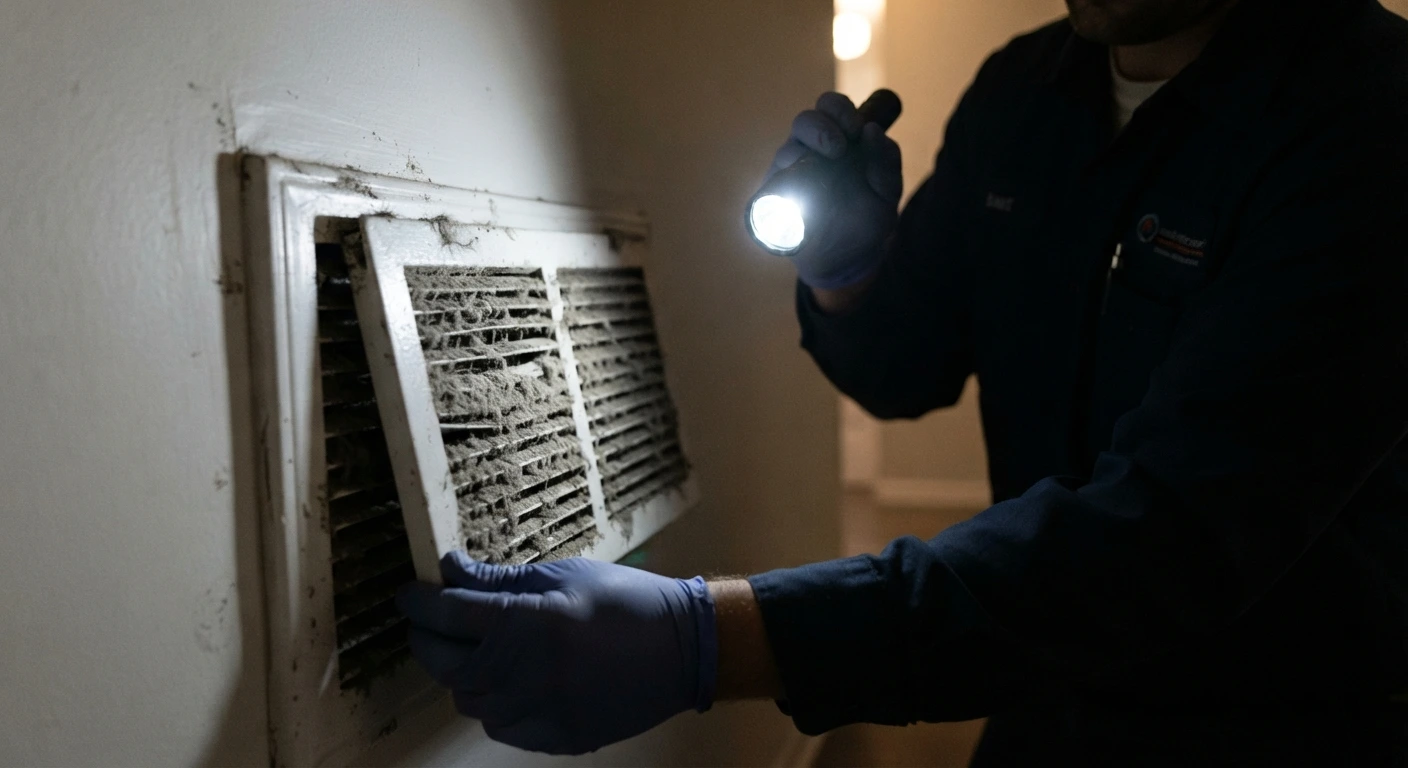
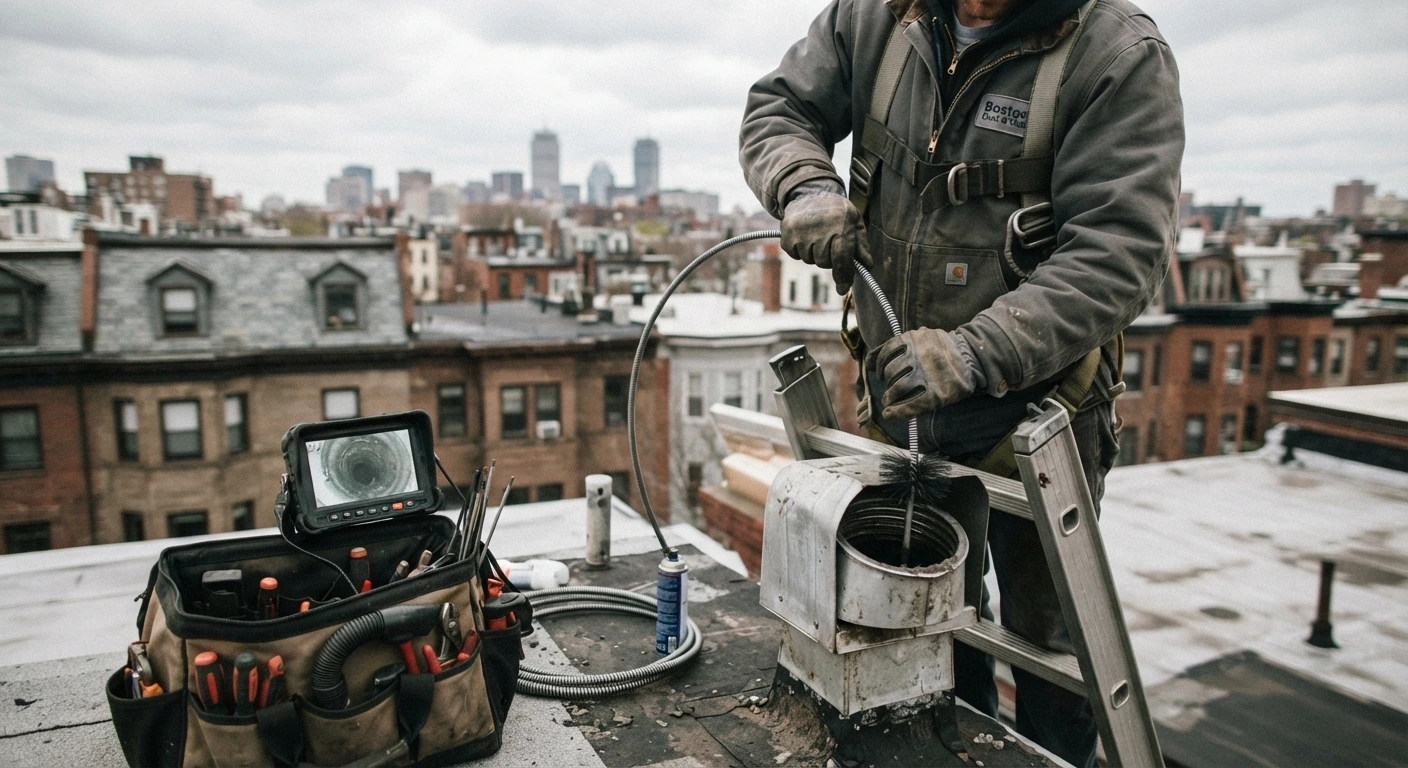
For a property manager, a dryer vent is easy to forget, right up until lint turns it into a fire, a failed inspection, or a liability claim. Every load a tenant runs sends a little more lint into the exhaust duct, where it hardens over the months in a spot no one thinks to check. In a multifamily building, that danger grows, since one shared duct can carry the risk to every unit on it. Commercial dryer vent cleaning in Boston goes beyond routine upkeep. It is a fire-safety, building-code, and insurance responsibility that falls on the property manager and owner, and understanding it starts with the risk itself.
Why Dryer Vent Compliance Matters for Property Managers
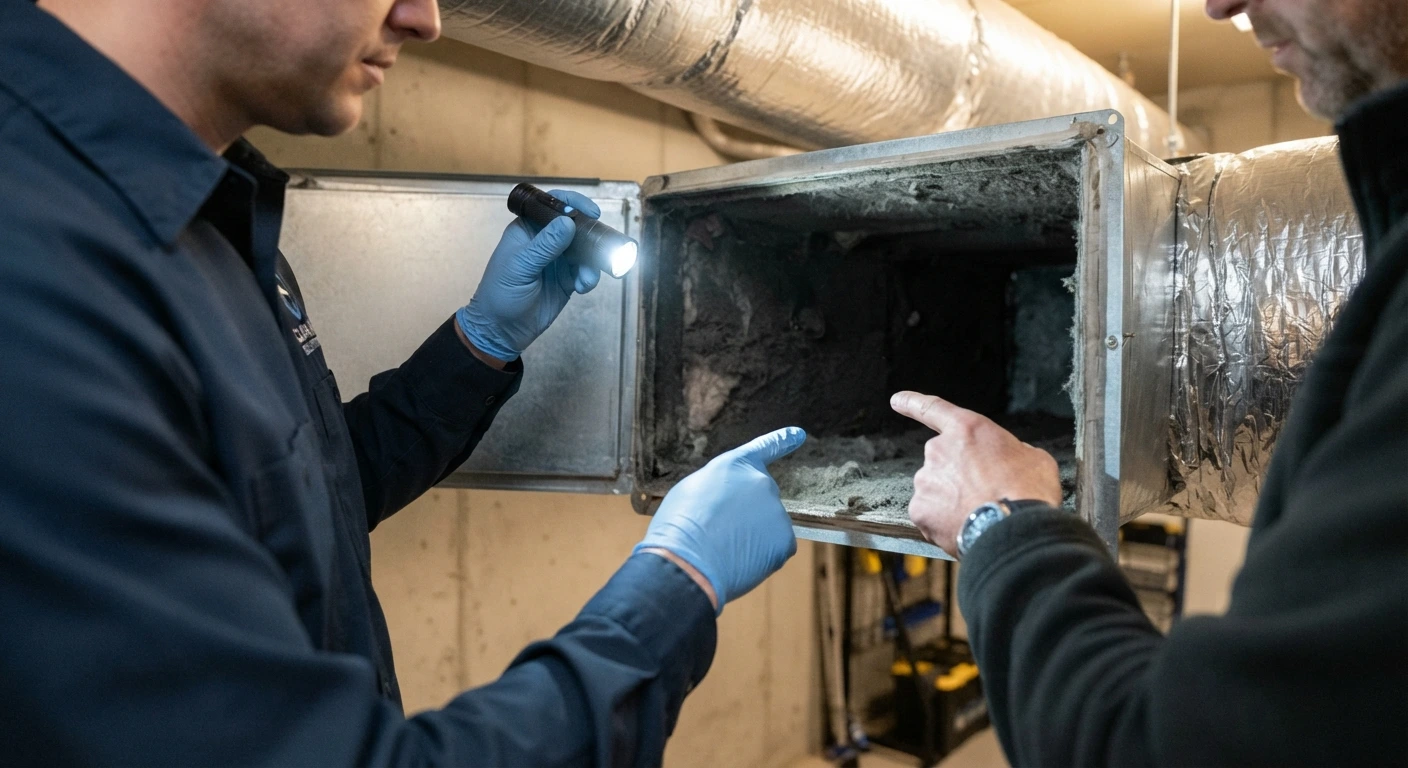
Lint is one of the most flammable materials found in any building, and as it accumulates inside a duct, it restricts airflow and traps heat until it reaches the point of ignition. That is why failure to clean is the leading cause of dryer fires. For a property manager, the fallout reaches well past a broken appliance:
- Tenant safety: Injury, smoke, and displaced residents
- Property loss: Fire damage across multiple units
- Legal exposure: Negligence claims against manager and owner
- Insurance risk: Claims reduced or denied without maintenance records
Massachusetts Dryer Vent Codes and Standards
Dryer exhaust systems fall under fire, mechanical, and manufacturer rules that every Boston property manager must meet.
Fire and Mechanical Codes
Massachusetts Fire Code: The state fire code requires dryer exhaust systems to be kept clean and maintained. Local fire officials can inspect a building and cite it where lint buildup creates a hazard.
The Mechanical Code, Section 504: Massachusetts adopts the International Mechanical Code, and its Section 504 governs dryer exhaust: duct material, maximum length, exterior termination, and cleanouts. A non-compliant duct fails on installation, not just on cleanliness.
Manufacturer and Insurance Requirements
- Manufacturer instructions: Carry the force of code and specify professional cleaning at set intervals
- Insurance policies: Commonly require documented, routine maintenance to keep coverage valid
- Workplace rules: Apply to buildings with staff-operated laundries
Dryer Vent Hazards Beyond Fire Risk
Fire is the headline risk, though it is not the only one.
Carbon Monoxide From Gas Dryers
A gas dryer that cannot exhaust can push carbon monoxide back into the building, an invisible and odorless threat. Gas models also carry a slightly higher fire risk than electric. Any building with gas dryers needs a clear exhaust path and working carbon monoxide detectors.
Shared and Common-Exhaust Systems
Many multifamily buildings route several dryers into one shared duct or rooftop exhaust. These systems need extra vigilance:
- Lint accumulates faster when many dryers feed one line
- A single blockage puts every connected unit at risk
- Booster fans on long runs collect lint of their own
- One neglected duct can compromise the whole building
How Often to Clean Commercial Dryer Vents
Recommended Frequency by Property Type
| Property Type | Cleaning Frequency |
|---|---|
| Single-family rental | Once a year |
| Small multifamily (2 to 10 units) | Once or twice a year |
| Large multifamily complex | Twice a year to quarterly |
| Laundromat or commercial laundry | Quarterly, up to monthly |
| Shared or common-exhaust systems | Twice a year, monitored |
What Raises the Frequency
- Heavy usage: More loads per day mean faster lint buildup
- Shared ducts: More dryers on one line need more frequent service
- Long duct runs: More length and bends trap more lint
- Gas dryers: The carbon monoxide risk raises the stakes
What Commercial Dryer Vent Cleaning Involves
A proper service goes far beyond emptying a lint trap. A qualified technician will:
- Inspect the full run, checking each dryer, duct, and shared exhaust
- Clean the entire line with rotary brushes and high-powered vacuums
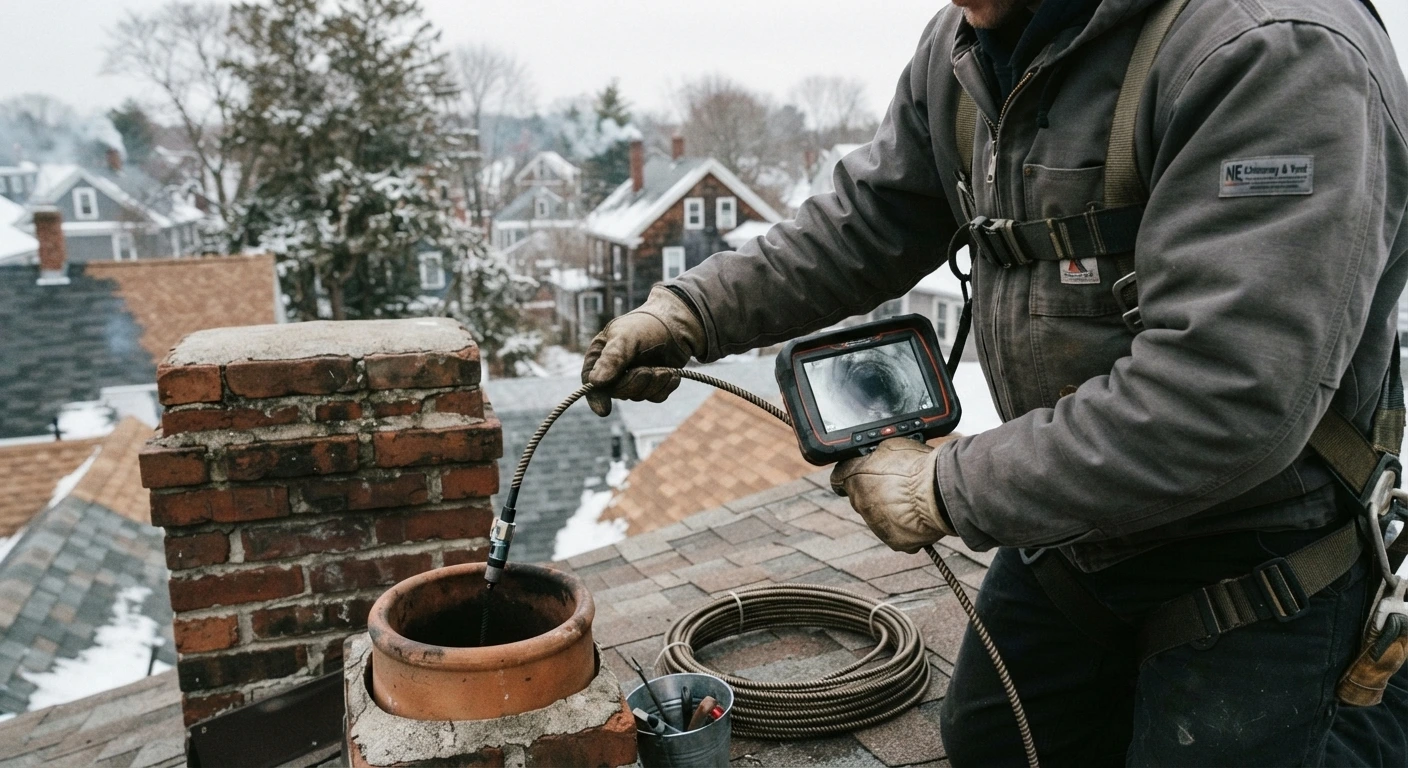
- Service shared and rooftop exhausts, including booster fans and terminations
- Check airflow and dampers to confirm the system vents freely
- Document the work with a written report on the system’s condition
Dryer Duct Installation Code Requirements
Cleaning keeps a system safe only when the ductwork itself meets code. Watch for these violations:
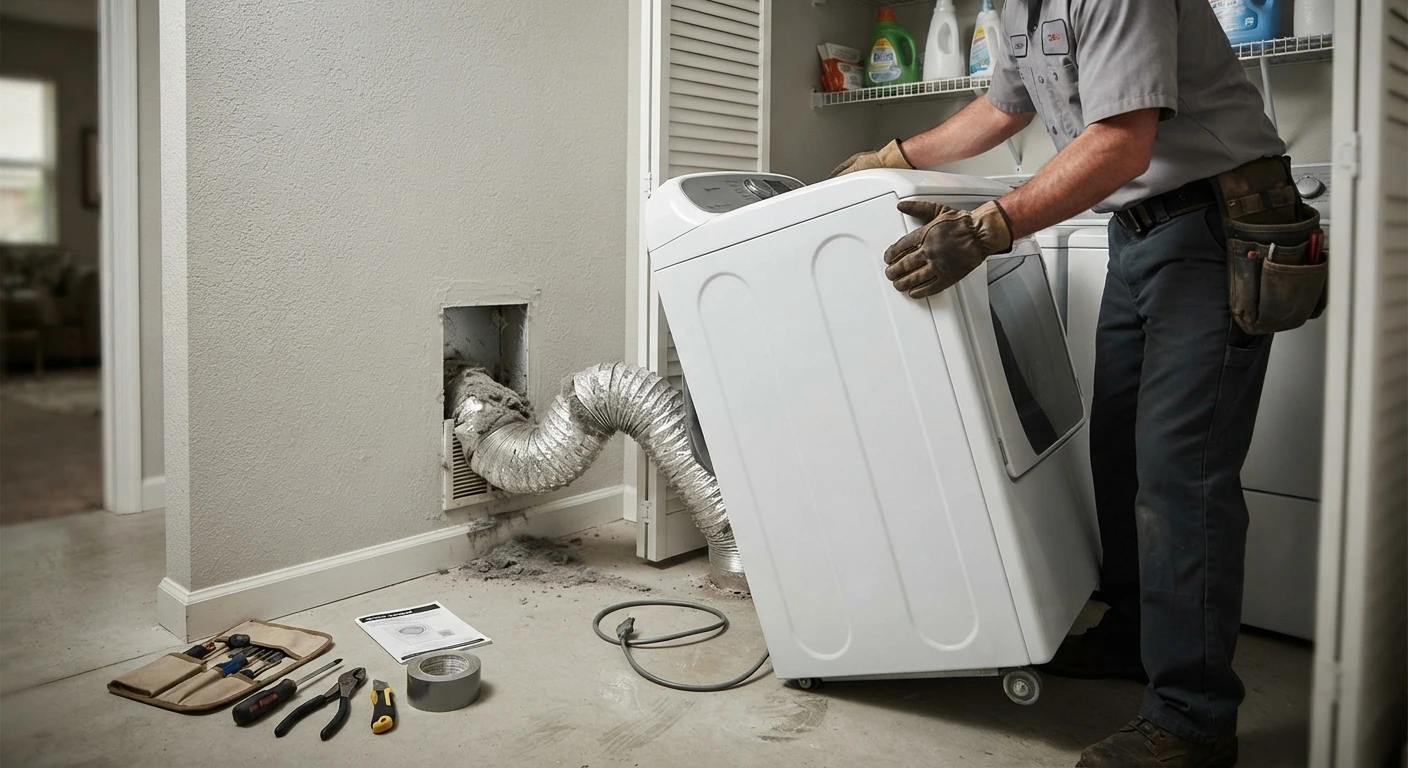
- Wrong material: Flexible plastic or foil duct traps lint and burns; rigid metal is required
- Excess length: Long runs with many bends choke airflow
- Bad termination: The duct must vent outside, never into an attic or wall
- No cleanouts: Concealed ducts need access points for future service
If any of these turn up during a cleaning visit, dryer vent repair or duct replacement should happen before the system is considered compliant again.
The Liability Angle
If a fire starts in a building with no record of vent maintenance, the manager and owner can be found negligent, and insurers may deny the claim. A file of dated cleaning reports is one of the cheapest forms of legal and financial protection you can hold.
Dryer Vent Compliance Checklist for Property Managers
- Schedule cleaning on a fixed cadence matched to usage
- Keep dated records of every inspection and cleaning
- Hire certified, insured technicians, not in-house shortcuts
- Confirm duct materials meet code
- Check carbon monoxide detectors in gas-dryer buildings
- Act on warning signs between visits
- Review after any incident or drying complaint
Signs a Vent Needs Cleaning Now
Do not wait for the next scheduled visit if you see clothes taking two or more cycles to dry, a hot and humid laundry room, a burning smell during operation, or a dryer shutting off from overheating. Each means lint has already reached a dangerous level.
Dryer Vent Maintenance Records to Keep
Records are the proof of compliance. For each service, log:
- The date and the property or units serviced
- The systems cleaned, including shared ducts and booster fans
- The technician and their credentials
- The system’s condition and any repairs recommended
One accessible file per property turns an inspection or claim from a scramble into a simple folder pull.
Commercial Dryer Vent Cleaning Cost vs. Non-Compliance
Routine cleaning is a modest, predictable expense. Skipping it risks far more, and dryer fires cause an estimated $35 million in property loss nationwide each year. Short of a fire, neglected maintenance still brings:
- Failed inspections and code violations
- Denied insurance claims
- Higher energy bills from strained dryers
- Shorter appliance life and more tenant complaints
Pricing depends on the number of dryers, duct length and complexity, and roof access. A per-property quote after an assessment is the accurate way to budget.
Benefits of Regular Dryer Vent Cleaning
Clean vents do more than satisfy the code:
- Faster drying: Clear airflow cuts cycle times
- Lower bills: Efficient dryers use less energy
- Longer appliance life: Less strain means fewer replacements
- Happier tenants: Reliable laundry means fewer service calls
How to Choose a Dryer Vent Cleaning Company
- Commercial experience with shared-exhaust and rooftop systems
- Licensing and insurance to work on your property
- Detailed written reports for your compliance file
- Clear, itemized quotes, not a vague lump sum
- Local knowledge of Massachusetts codes and Boston buildings
A property management annual cleaning program that bundles this scheduling for you across an entire portfolio is often the simplest way to stay ahead of the checklist above.
FAQs
How often should commercial dryer vents be cleaned in Boston? It depends on usage. Large multifamily buildings need cleaning twice a year to quarterly, while laundromats and high-volume laundries may need it monthly. A single annual clean suits only the lightest-use properties.
Who is responsible for dryer vent cleaning in a rental building? The property owner and manager are responsible for shared and building exhaust systems, as part of the duty to provide a safe, code-compliant property for tenants.
Is commercial dryer vent cleaning required by law? Fire and mechanical codes require dryer exhaust to be kept clean and maintained. Manufacturer instructions reinforce it, and insurers usually require proof, making documented cleaning effectively mandatory.
What are the code requirements for dryer ducts? The mechanical code requires rigid metal ducting, limits on length, exterior termination, and accessible cleanouts. Flexible plastic or foil duct is non-compliant and a known fire hazard.
How much does commercial dryer vent cleaning cost? Cost varies with the number of dryers, duct complexity, and roof access. A per-property quote after an assessment is the only accurate figure, with shared systems priced by scope.
How do I prove compliance to my insurer? Keep a file of dated service reports noting what was cleaned and the system’s condition. That documentation satisfies inspectors and protects your coverage.
Takeaway
Dryer vent compliance is a small, routine task that prevents very large problems. Match the cleaning frequency to each property, keep the ductwork to code, hire certified technicians, and file the paperwork, and you protect your tenants, your buildings, and yourself.
At Delta Clean Air, we handle commercial dryer vent cleaning in Boston for property managers, from shared-exhaust apartment buildings to laundromats, always with a detailed written report for your compliance records. Call us at (617) 644-4977 or request a free quote to set up a maintenance schedule that keeps your properties inspection-ready.