If there’s anything Boston homeowners get pitched more than solar energy options, it’s got to be air duct cleaning. Most people will market the same old pitch to you: dirty ducts make you sick, cleaning them makes you feel better, and you should get it done every year.
While these are all true, there’s more to it. Air duct cleaning in Boston isn’t necessary in every case, and in others, you simply can’t do without it.
There are so many myths surrounding air duct cleaning that push people in both wrong directions. Some homeowners pay for unnecessary or ineffective cleaning based on exaggerated claims, while others dismiss the entire category as a scam.
Plenty of research has been conducted on air duct cleaning, and we’re here to bust some myths.
Myth 1: Air Duct Cleaning Improves Indoor Air Quality In Every Home
In February 2026, the EPA stated explicitly that duct cleaning has never been proven to actually prevent health problems. Neither do studies conclusively demonstrate that particle levels in homes increase because of dirty ducts nor decrease after cleaning.
Now, for more people who’ve led their lives believing that duct cleaning would be the answer to all their health problems, this is probably going to be a shocker.
But in the very next breath, the EPA also states, if family members are experiencing unusual or unexplained symptoms or illnesses that you think might be related to your home environment, discuss the situation with your doctor. EPA also recommends that if you decide to have your air ducts cleaned, you not use duct sealants or biocides.
So the conclusion that follows from this is that routine duct cleaning, including residential air duct cleaning, as a general air-quality maintenance measure in homes without specific contamination conditions lacks reliable evidence. If you notice specific contamination conditions, such as visible mold growth, only then is cleaning both appropriate and recommended.
As a homeowner, you need to assess which category you fall into and not fall into the trap of believing clean ducts will always lead to better air.
Myth 2: You Should Clean Your Ducts Every Year
Most duct-cleaning companies will be foaming at the mouth, but this is a myth that needs to be busted. NADCA, the National Air Duct Cleaners Association, recommends cleaning every three to five years for typical residential HVAC systems.
More frequent cleaning is only suggested if you’ve got pets that shed a lot in the home, or if you or your family members have respiratory conditions or allergies. At the end of the day, it’s important to clean when certain conditions exist and not because you’ve got a fixed schedule to follow.
If you’re wondering why you’ve been fed the annual cleaning lie, it’s most likely because companies benefit financially from annual cleaning contracts.
Myth 3: You Can Tell Your Ducts Need Cleaning by Looking at the Vents
Most people will tell you that dirty vents mean scheduling an air duct cleaning immediately, but that’s not entirely true.
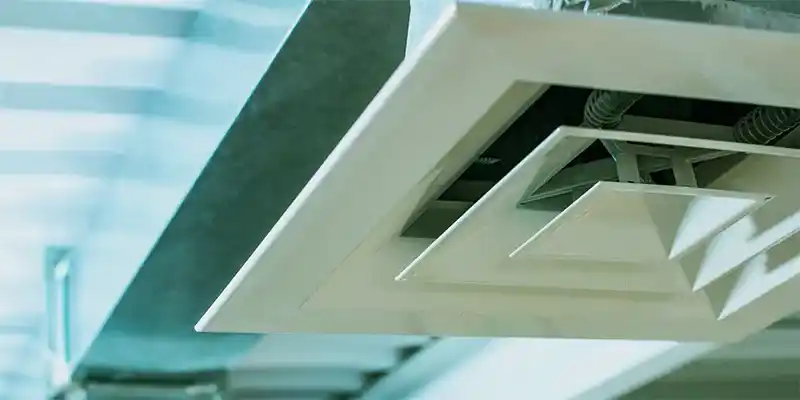
Dusty air grilles are pretty normal since dust, skin cells, and fiber fragments surface at the vent opening. This happens in both clean and dirty systems. If you’ve got higher particle loads in your home, such as pets and poor filtration, dirty vents will happen much more quickly.
So a visual inspection of just the vent covers tells you little to nothing about the condition of your air ducts. If you’re interested in a serious duct condition assessment, you need a camera inspection of the duct interior.
Also Read: What Equipment Do Professionals Use to Clean Air Ducts?
Myth 4: Duct Cleaning Will Significantly Lower Your Energy Bills
This claim conflates two related but entirely different things.
There is solid evidence that HVAC system fouling affects system efficiency. In fact, fouled coils can reduce heat transfer efficiency by 5–40%, depending on severity. These findings apply to the mechanical parts of the HVAC system.
Duct interior cleaning, however, doesn’t have the same evidence. Unless ductwork is so extensively contaminated that airflow is restricted, interior duct cleaning has minimal impact on system energy consumption.
When energy savings are the primary goal, the right investment is HVAC maintenance, which includes coil cleaning, filter optimization, blower cleaning, and duct sealing for leakage.
Myth 5: Duct Cleaning Is a Scam
Just as over-marketing is a problem here, so is pretending that air duct cleaning in Boston does absolutely nothing.
Duct cleaning improves air quality in homes that have significant oil contamination from a furnace problem. There are also other well-documented situations where duct cleaning is particularly useful:
- Post-construction cleanup, more on that in myth 6.
- Post-flood or water damage air duct cleaning
- Vermin infestation
Myth 6: New Construction Doesn’t Need Duct Cleaning
A new home has to be clean, right? Well, not exactly.
The construction timeline is the problem. In most residential construction, HVAC ductwork is installed before any of the finishing work. The duct system remains open during the phases that generate the most airborne particulate matter.
You might think temporary covers over register openings would help, but they’re not as helpful against fine particulate. Drywall dust consists of calcium sulfate particles small enough to remain airborne for extended periods. Similarly, sawdust is a combination of dust and insulation fibers. In such situations, both residential and commercial air duct cleaning can help remove these contaminants and improve overall air quality.
Before you occupy a newly constructed home, make sure to get an air duct cleaning done!
Myth 7: Chemical Treatments Are a Necessary Part of Every Cleaning
If you’ve ever had an air duct cleaning done in the past, we’re ready to bet on it that at least one person has tried selling you a chemical treatment. Whether that’s an antimicrobial spray, a biocide or an encapsulate sealant, these are just various fancy words for the same chemical treatments. These products are pitched to kill bacteria and mold in your ducts and supposedly prevent regrowth.
The EPA, however, strongly advises against using them routinely. The health effects of inhaling residues from these products is not yet fully understood, and most importantly, biocide application isn’t a substitute for physically removing mold or contamination. If mold is truly present in your ducts, it needs to come out. Spraying a chemical over it is simply masking the problem and not a remediation.
The bottom line here is that if a company includes chemical treatments as a standard part of every single job without stating an specific explanation, you need to be weary. Make sure to ask for an EPA registration for any product they propose and ask why your situation in particular calls for it. If they’re unable to answer this, they’re most likely selling you a treatment you most certainly don’t need.
Myth 8: Good Air Filters Mean Your Ducts Are Clean
You might think having a good quality filter would be sufficient to capture airborne particles before thy enter the duct system. Good filtration, in essence, should keep your ducts clean. But that’s not entirely true.
Yes, filtration reduces the rate at which new contamination enters the system, but it doesn’t address the contamination that’s already present in your ducts before the filter was installed. It also has little to no effect on vermins, water damage or construction debris, all of which warrant for actual cleaning. So, while good filtration is one of the highest-value investments you could make for your home, they’re not a substitute for air duct cleaning. Both address entirely different things and neither makes the other irrelevant.
What Does Honest Duct Cleaning Look Like?
With all those myths busted, you’re probably wondering what on earth honest duct cleaning actually looks like.
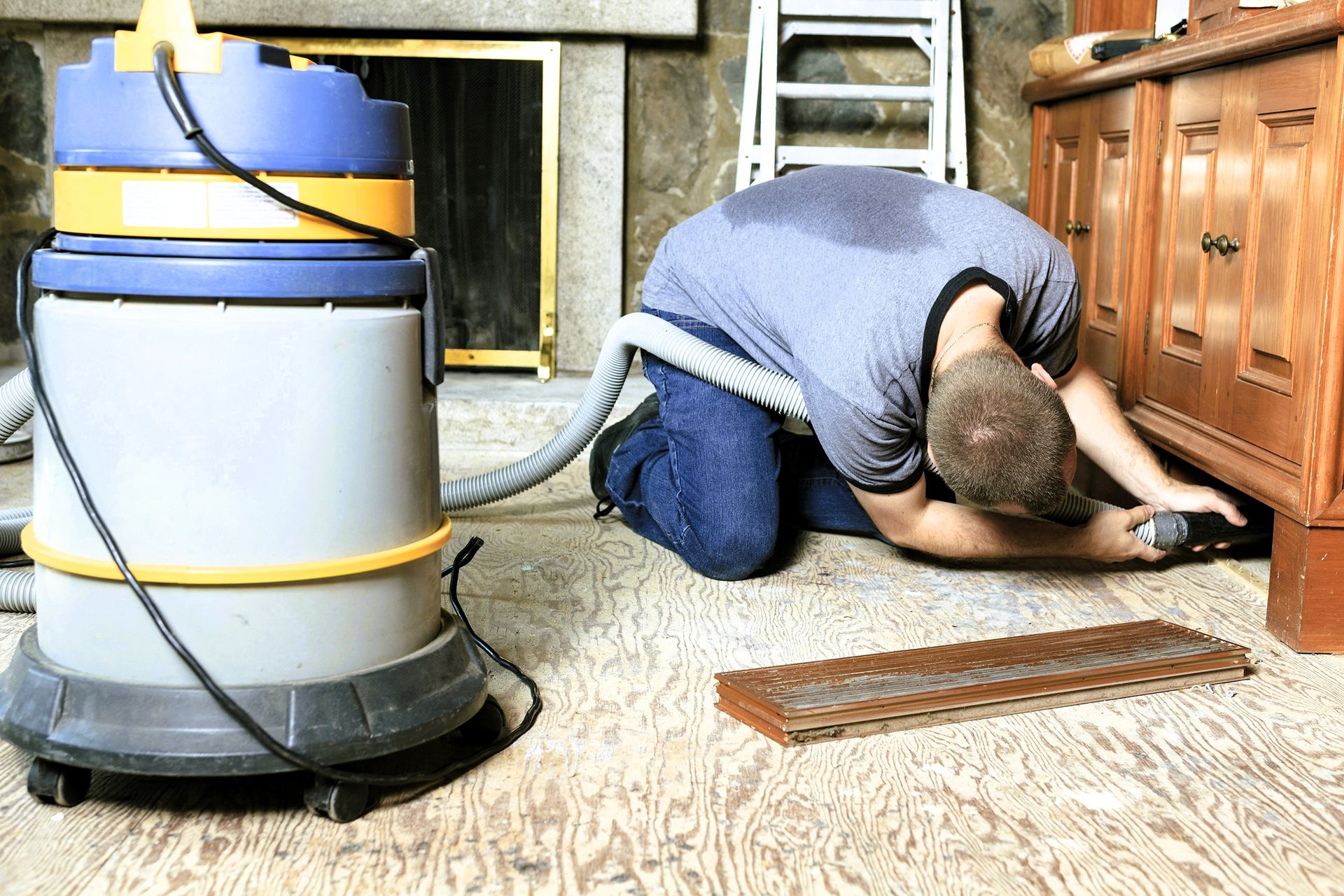
It includes a pre-cleaning inspection of the entire duct system to assess the condition of the interior ducts. Next, inspections are followed by negative pressure in the duct system and a mechanical agitator that removes dust using a rotary brush. Next, vacuum extraction captures dislodged material, and to make sure the job’s done well, a post-cleaning inspection verifies results.
If you’re looking for honest air duct cleaning in Boston, you seriously need Delta Clean Air in your corner! We provide air duct cleaning that’s built on an honest assessment and NADCA-standard methodology. We’re not interested in annual contracts or upselling our services; we’re here to provide value for your money.
We start with an inspection of your system’s condition, because the only responsible recommendation for cleaning comes from knowing what’s actually in the duct. If, and only if, cleaning is required, we follow the source removal technique, proper documentation, and the straightforward approach.
Get in touch with us today to find out what your ducts really need!