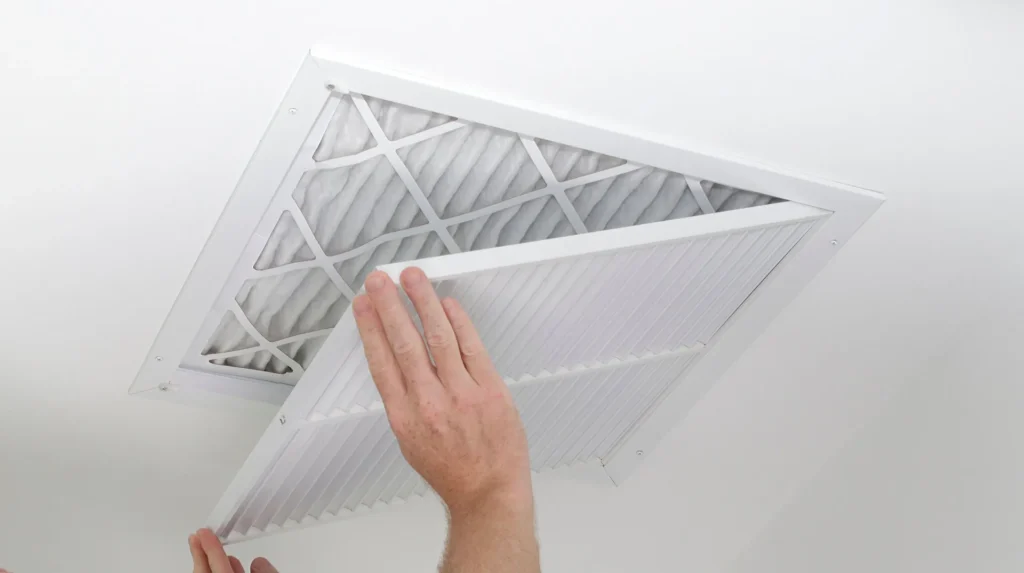
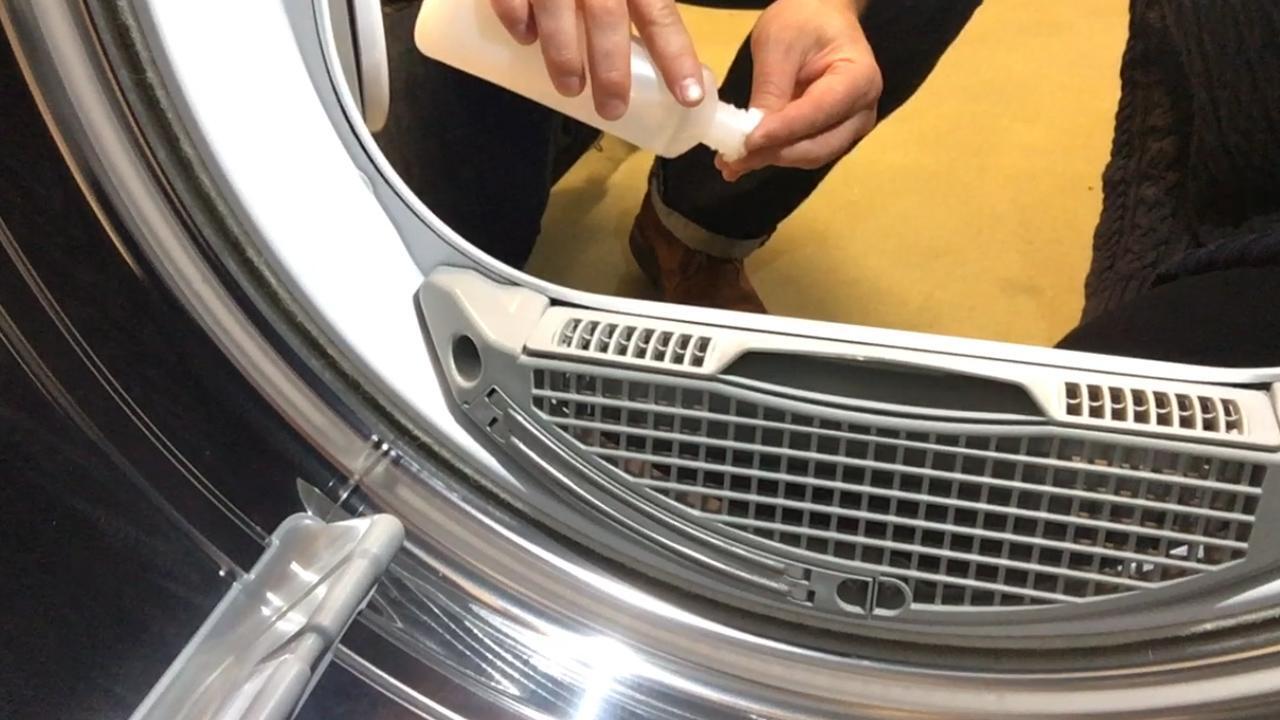
A dryer fire rarely starts with a big warning. It begins quietly, with a thin layer of lint packed deep inside the vent line, slowly heating up after each cycle until one day the temperature crosses the point of no return. For hotels, laundromats, apartment buildings, and family homes in Boston and across Massachusetts, skipping dryer vent cleaning is one of the fastest paths to a fire that could have been fully stopped.
The Numbers Behind Dryer Fires
Data from the U.S. Fire Administration shows that around 2,900 home clothes dryer fires are reported per year in the United States, and these fires cause close to $35 million in property loss and five deaths each year. Commercial laundries, hotel housekeeping rooms, and apartment building shared laundries push that number even higher because of the volume of loads passing through each vent.
The top cause of these fires, by a wide margin, is a failure to clean the vent line. You can read the full report on dryer fire causes through the U.S. Fire Administration research page. Lint is one of the easiest materials to ignite. A few grams of packed lint inside a vent can catch fire when it sits close to the heating element or against hot duct walls during a long drying cycle.
Why Lint Builds Up So Fast in Commercial Settings
In a busy commercial setting, a dryer runs 8 to 14 hours a day. Each load pushes a small amount of lint past the lint trap, through the blower, and into the vent pipe. Over weeks, this coating thickens. Within 3 to 6 months of nonstop use, a commercial vent line can lose 50 to 70 percent of its airflow capacity to lint buildup.
Here is where the problem gets worse for property owners:
- Longer drying cycles mean higher gas or electric bills
- Overheated motors fail sooner, leading to early dryer replacement
- Lint packed against the heating element reaches ignition point faster
- Gas dryers with blocked vents push carbon monoxide back into the building
Hotels, gyms, senior living facilities, pet grooming shops, restaurants with linen dryers, and spa laundries face all four of these risks together. Proper dryer vent cleaning on a set schedule cuts each one down to a much lower level.
How a Vent Fire Starts
Most people think a dryer fire starts inside the drum. The facts show otherwise. Around 80 percent of dryer fires begin in the vent line or at the transition duct behind the unit. The sequence plays out like this:
- Lint collects in the vent pipe, slowing airflow
- Hot, moist air cannot escape, so heat builds inside the dryer
- The heating element stays on longer per cycle to finish the load
- Heat transfers through the duct walls into the packed lint
- Lint reaches around 400 to 450 degrees Fahrenheit and ignites
- Flames travel back through the duct into the drum and out into the room
This chain takes months to set up but only minutes to finish. A hotel laundry room or an apartment building basement can go from normal operation to active fire in under 10 minutes once the chain starts.
Also Read: Best Time of Year for Dryer Vent Cleaning
Warning Signs Your Vent Needs Attention Now
Your vent line sends clear signals before a fire. Staff at commercial laundries, property maintenance teams, and homeowners should watch for these signs during daily operation:
Longer Drying Times
A load that used to finish in 45 minutes now takes 70 or 90 minutes. This is the first and loudest warning. The heating element is compensating for a blocked vent by running longer.
Hot Outer Surface
The top or side of the dryer feels hot to the touch after a single cycle. A properly vented dryer stays warm, not hot. Excess heat means the exhaust is not moving out of the machine.
Burning or Musty Smell
A burnt fabric smell in the laundry room points to lint close to the heating element. A musty smell points to moisture trapped in the vent line, which also damages drywall and leads to mold growth inside the ductwork.
Lint Around the Dryer Door
Lint spilling from the door seal or collecting on the floor behind the unit means the vent cannot carry airflow out of the building.
Vent Hood Flap Stays Closed
Go outside and look at the vent exit on the wall. When the dryer runs, the flap should open. A flap that stays shut, or barely moves, means the airflow has dropped below safe levels.
Commercial Properties Carry the Biggest Risk
For commercial property owners, a dryer fire brings more than repair bills. It brings lawsuits, insurance hikes, guest complaints, closure notices from the fire marshal, and lost revenue during shutdown periods. A single hotel laundry fire can shut operations for 3 to 5 days and cost $40,000 to $150,000 in combined losses.
Apartment building owners face a specific challenge. Many older Boston buildings have shared vent shafts running from multiple units into a single roof exit. A clog at the roof cap means every unit below shares the same blocked pipe. A scheduled commercial dryer vent cleaning pass clears the full shaft, all branch lines, and the roof cap in one visit.
Laundromats and hotels should set up a cleaning schedule of every 3 months at a minimum. Gyms, senior living homes, and medical facilities should go every 4 to 6 months. Office buildings with light laundry use can plan for once a year.
Residential Properties Need This Service Too
For family homes, a dryer vent cleaning visit once a year is the baseline. Homes with pets, large families, or a vent line longer than 25 feet should be scheduled every 6 to 9 months instead. Boston and its surrounding towns also have many homes with vents running through basements, crawl spaces, or across long roof sections, which means more chances for bends, sags, and lint traps along the way.
Parents with young kids, elderly family members, or pets feel this risk more than anyone. A house fire that starts at 2 a.m. in the basement laundry area gives a family very little time to react. A yearly service appointment closes that window of risk for a small cost.
Signs your home vent needs immediate action:
- A gas dryer that shuts off mid-cycle from overheating
- Clothes that come out hotter than normal
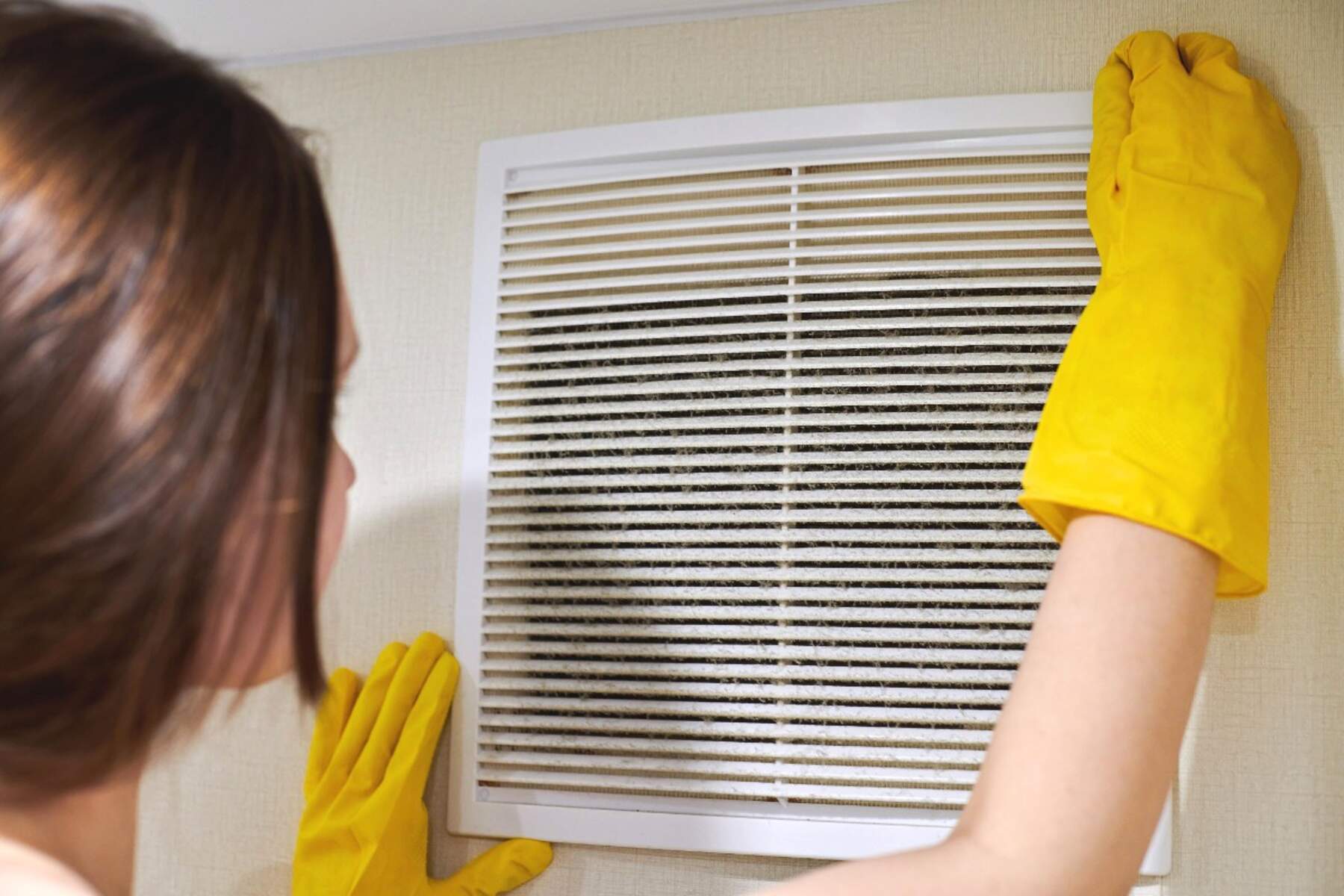
- Visible lint in the outside vent hood
- The laundry room feeling warm and damp during a cycle
What a Proper Dryer Vent Cleaning Covers
A full service call is not just a shop vac and a quick look. A proper visit covers the whole path from the dryer to the outside wall or roof exit. The key steps include:
- Pulling the dryer away from the wall and disconnecting the transition duct
- Running a rotary brush through the full length of the vent pipe
- Vacuuming all loose lint with HEPA-rated equipment
- Cleaning the lint trap housing and blower area inside the dryer
- Checking the vent hood flap on the exterior for damage or bird nests
- Testing airflow at the exit point with a manometer or airflow gauge
- Reconnecting the transition duct and sealing all joints
If the technician finds cracked ducts, loose connections, or crushed sections, they should offer repair options during the same visit. Pairing the cleaning with a dryer vent repair service saves you from booking a second appointment and keeps your system working at full efficiency.
Nests, Rodents, and Other Hidden Vent Problems
Dryer vents open to the outside, which means birds, squirrels, and mice can push their way in. Nests built in the vent hood, or deep in the pipe, act like a plug that traps heat and lint against the duct walls. Spring and early summer are peak nesting seasons in Massachusetts, and property managers often miss this because the nests are hidden from view.
A bird nest in a vent line can:
- Block airflow almost completely
- Hold moisture that rots the drywall around the vent
- Carry mites and parasites into the building
- Add dry nesting material that lights up fast during a cycle
A seasonal inspection and nest removal pass protects the full vent system from this pattern.
Why Waiting Costs More Than Acting Now
Property owners who delay a vent cleaning often say the same thing after a fire or a dryer failure: the warning signs were there, but the schedule felt too full to act. A $200 to $600 service visit is the cheapest form of fire protection a commercial building or family home can buy. Compare that to:
- $3,000 to $10,000 for a replacement commercial dryer
- $50,000 and up for fire damage repair in a multi-tenant building
- Lost business revenue during forced closure
- Higher insurance premiums after a claim
The cost gap is not small. A scheduled service program closes that gap every time.
Time to Make Your Dryer Vents Safe
A blocked dryer vent does not fix itself. Every load that passes through adds more lint, more heat, and more fire risk. Whether you run a Boston hotel, manage a 40-unit apartment building, own a restaurant with linen service, or just want to keep your family safe at home, the solution is the same: scheduled vent cleaning by a team with the right tools and training.
We at Delta Clean Air serve property managers, hotels, laundromats, commercial kitchens, and homeowners across Boston, Worcester, Springfield, and the surrounding areas in Massachusetts. Our NADCA and QUADCA certified team uses rotary brushes, HEPA vacuums, and full system inspections to clear every inch of your vent line. If your dryer is running hot, taking longer, or has not been serviced in the past year, reach out through our contact page to book a same-week service visit and stop a fire before it ever starts.