Buying a home is something most people can only dream of in this economy. So if you’ve made it this far, you deserve a pat on the back.
But now comes a series of important decisions every homeowner needs to make for their home. Starting with your air ducts.
This might come off as a surprise, because didn’t you just install your air ducts? You haven’t even started using them, so how could they be dirty? Well, that’s where most people are wrong.
According to the National Air Duct Cleaners Association (NADCA), the average six-room house collects 40 pounds of dust annually in its air ducts. But for new-construction homes, that number might start much higher.
Here’s why residential air duct cleaning in Boston might be the most important step you take before moving in.
Construction Dust is Coating Your Air Ducts
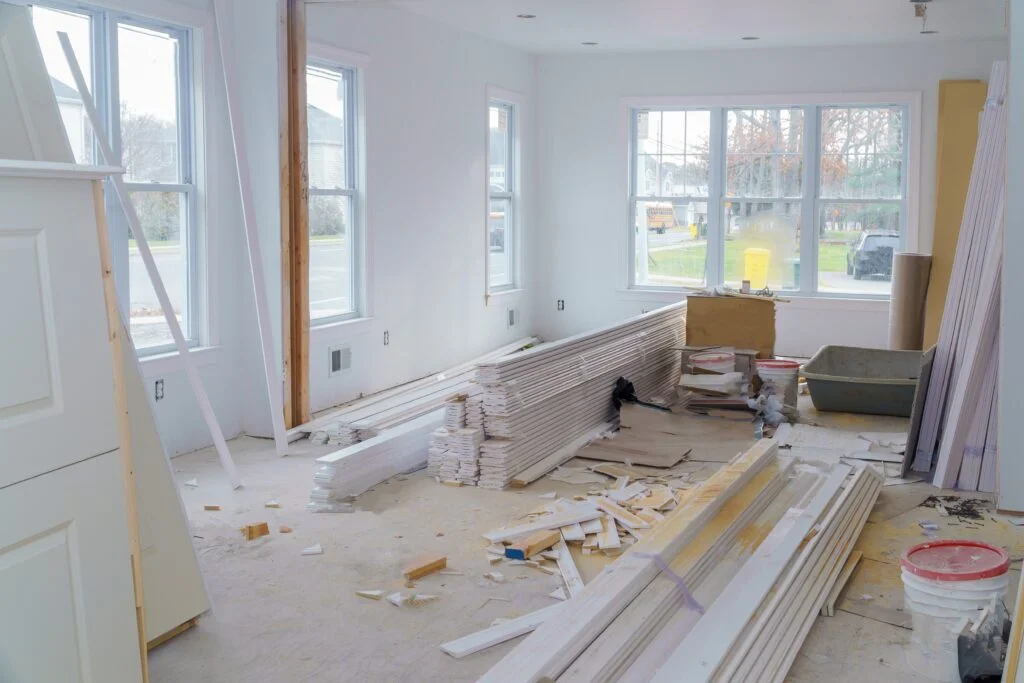
During a typical new home construction, the HVAC system gets installed weeks or even months before the home is finished. Your ductwork is wide open while crews are cutting drywall, sanding floors, sawing, and spraying paint. All the dust has to go somewhere, and your air ducts become a collection system for everything floating through the air.
After drywall comes flooring installation, cabinet installation, trim work, and painting. Even when contractors cover floor registers with protective paper or plastic, that fine particulate matter finds its way in through gaps, through return vents, and through the HVAC system itself if it’s turned on during construction.
In fact, many contractors actually run the HVAC system during construction. Sometimes it’s to dry paint and adhesives faster or to keep workers comfortable; other times, the system is just turned on to test it. When that happens, the HVAC system becomes a vacuum, pulling construction dust into your ductwork and depositing it on every surface.
What’s in Your So-Called Clean New Ducts?
When air duct cleaning professionals inspect new homes, we regularly find shocking amounts of debris. Here’s what we commonly find in so-called clean ducts.
Drywall dust
Drywall dust, a fine, white powder, is the most common thing found in air ducts. It gets everywhere, and the worst part is that the particles are almost microscopic. This dust can irritate eyes and lungs, yet it’s exactly what many new homeowners are breathing.
Sawdust and wood particles
Sawdust from cutting lumber, trim, and cabinetry ends up in the ductwork. While sawdust is generally less hazardous than other construction dusts, fine wood particles can still irritate the respiratory system. Certain types of wood dust are even classified as carcinogens with prolonged exposure.
Insulation fibers
During wall insulation, lightweight fibers, known as insulation fibers, generally travel through the air and settle in the vents of your home. Every time your HVAC runs, these fibers are distributed throughout your home.
Construction trash
We’ve routinely found food wrappers, soda cans, screws, nails, product manuals, installation instructions, and even trash bags inside brand-new ductwork.
Paint fumes and residues
Fumes and residues from paints, varnishes, adhesives, and sealants get absorbed into dust particles and coating duct interiors, creating smells that can last for months after construction is complete.
Concrete and cement dust
Concrete and cement dust from cutting or grinding concrete floors or basement work contains crystalline silica, a carcinogen that poses respiratory risks even in small amounts.
Also Read: What Are the Key Benefits of UV Lights in Air Duct Cleaning?
The Health Impact of Dirty Air Ducts
Construction dust is a health concern, especially for certain groups.
According to the EPA, Americans spend approximately 90% of their time indoors, where pollutant concentrations are often 2 to 5 times higher than typical outdoor levels. When you turn on your HVAC system in a new home with dirty ducts, you’re not getting that fresh, clean air you expected. Instead, you’re recirculating fine particulate matter throughout every room.
For anyone with asthma, allergies, or other respiratory conditions, dirty air ducts are particularly problematic. Drywall dust can trigger persistent coughing, sneezing, and difficulty breathing. You might notice symptoms that feel like a cold that won’t go away, or allergies that seem worse than they’ve ever been.
Young children have developing respiratory systems that are more sensitive to airborne particulates, and kids spend more time playing on floors where construction dust settles.
The long-term exposure to dust is serious. So much so that OSHA has specific regulations about worker protection. Yet that same dust often ends up in residential ductwork where families breathe it daily.
Even if you don’t have respiratory symptoms, breathing construction dust affects your quality of life in several other ways. You might notice you’re dusting constantly. That persistent dust is a sign that your HVAC system is distributing contaminated air throughout your home.
What Dirty Air Ducts Do to Your HVAC System
Construction debris in your ductwork can potentially ruin your HVAC system. This is frustrating because you’ve just invested in a system, only to have it bail out on you before you’ve even moved in.
A 2024 study conducted by NADCA in partnership with the University of Colorado revealed professional HVAC cleaning reduced fan and blower energy consumption by 41% to 60% and increased supply airflow by 10% to 46% compared to uncleaned systems.
1. Reduced efficiency
When drywall dust coats the interior of ducts, it creates a rough surface that increases air resistance. Your HVAC system must work harder to push air through contaminated ducts, resulting in higher energy bills from day one.
It’s estimated that even a small amount of debris accumulation can increase energy consumption by 15% or more. Instead of energy efficiency, you’re paying hefty amounts to heat and cool a home where the system is already compromised.
2. Premature equipment failure
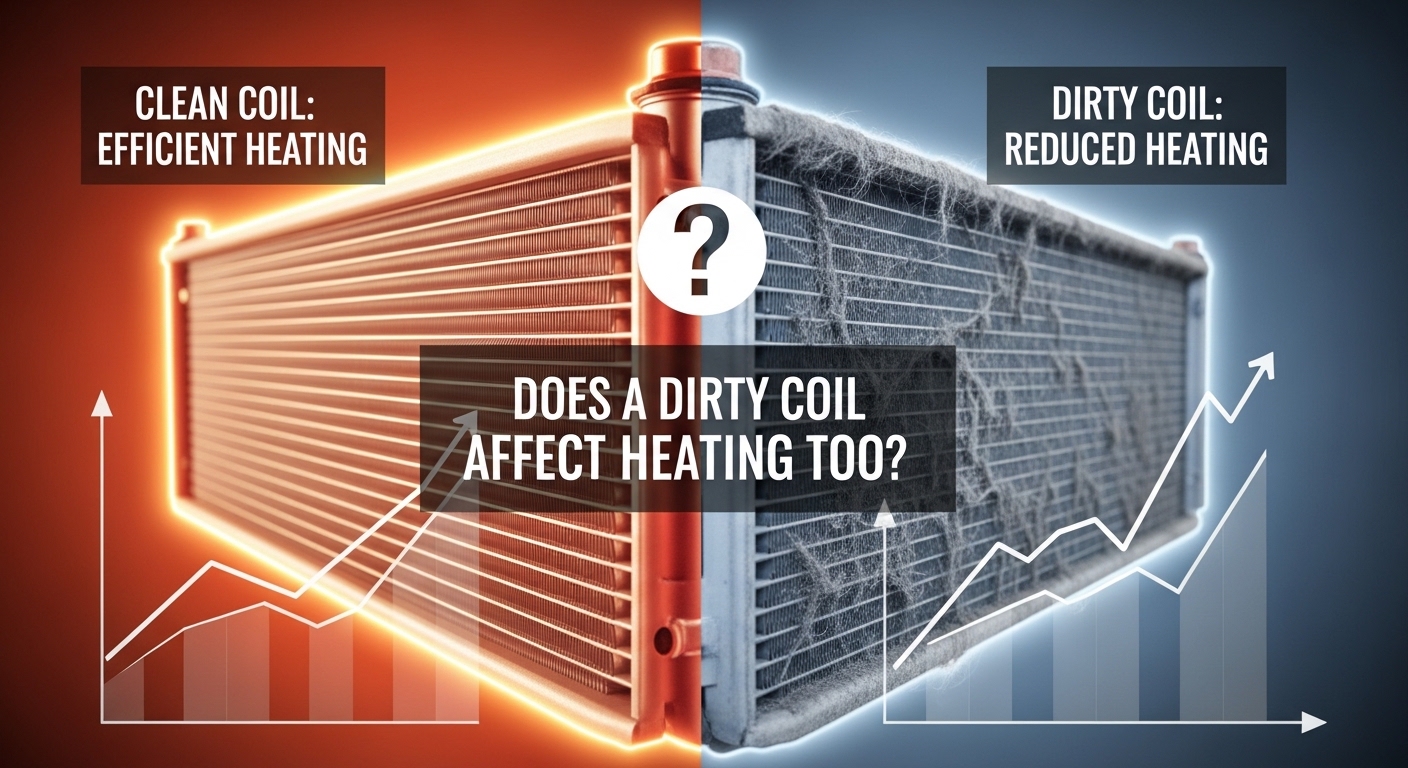
When drywall dust gets into the furnace or air handler, it can clog the secondary coil, infiltrate the motor, and eat away at bearings inside the blower fan assembly.
HVAC manufacturers specifically warn that construction dust can adversely affect equipment performance, reduce efficiency, and shorten lifespan.
Cleaning drywall dust from HVAC equipment is difficult, costly, and often cannot restore the equipment to a new condition, which means that contamination during construction can affect your system for its entire lifespan.
3. Clogged filters
Clogged filters are just the beginning. Standard HVAC filters are only about 60% effective at capturing fine dust particles, so much of the construction dust bypasses the filter and deposits deeper in the system. The dust that gets caught clogs the filters rapidly, forcing you to replace them far more frequently than usual.
4. Blocked airflow
Flexible ducts with a grooved interior provide numerous surfaces where dust can collect and build up. As airflow becomes restricted, some rooms might not heat or cool properly, creating uncomfortable temperature variations throughout your home.
How Does Professional Cleaning Help?
Professional air duct cleaning in Boston after new construction is different from routine maintenance cleaning. We’re not removing household dust that accumulates over the years. That’s inevitable. During a professional cleaning session, we’re removing all that heavy and hazardous construction debris that is stuck in your ductwork.
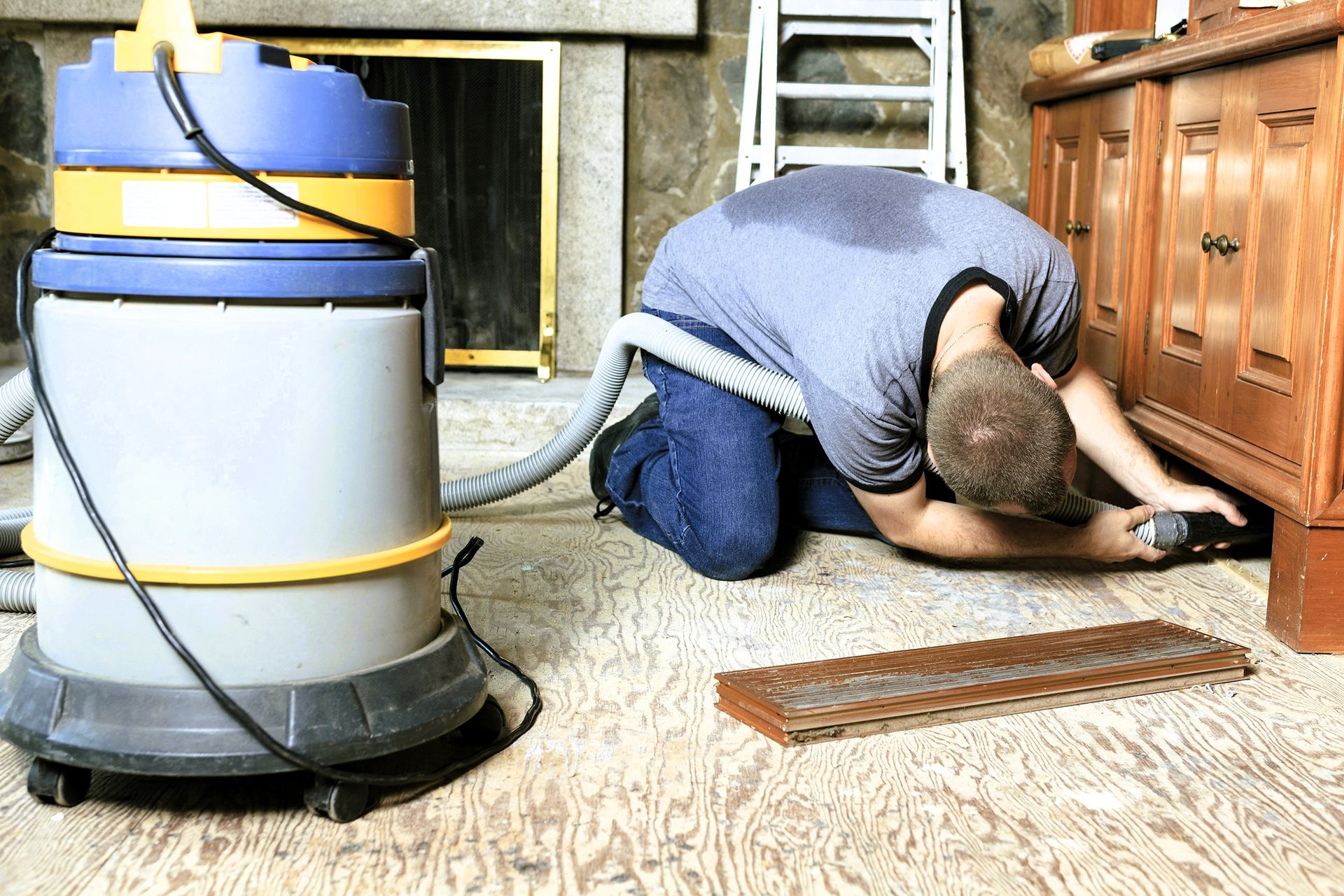
Professional post-construction cleaning uses negative air pressure systems that create a powerful vacuum throughout the entire duct system. It agitates the surface with rotating brushes that help loosen construction materials, then immediately extracts them. This suction prevents debris from escaping into your home.
The process includes:
- Complete system inspection using cameras to identify all contaminated areas and assess the extent of debris
- Sealing all registers and vents except the one being actively cleaned, this helps make sure that the debris flows back to the collection system rather than blowing into rooms
- Agitation of all duct surfaces using specialized brushes that dislodge caked-on drywall dust and debris
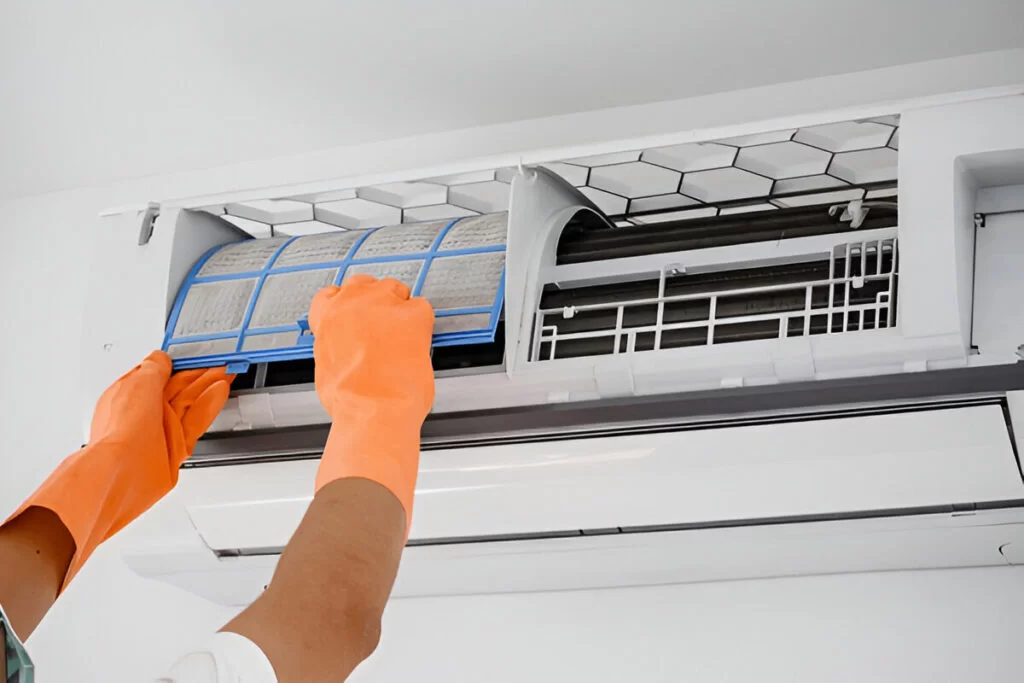
- Deep cleaning of the air handler, including blower wheels, motor housing, and coil surfaces where fine dust accumulates
- Sanitization when needed to remove microbial growth
- Final inspection to verify all debris has been removed, and airflow is restored
This level of cleaning typically takes 3-5 hours for an average home. It requires commercial-grade equipment that homeowners simply don’t have access to.
Start Your New Home the Right Way!
Your brand-new home is a fresh start. New spaces, new memories, new possibilities! Don’t let contaminated ductwork compromise the air quality from day one. Post-construction duct cleaning makes sure that the new home smell is actually fresh, clean air rather than recirculated drywall dust and construction chemicals.
The difference is immediate and noticeable. Homeowners consistently report breathing easier, sleeping better, and spending far less time dusting after professional post-construction duct cleaning. Your new home should support your health and comfort, not compromise it.
Ready to breathe cleaner air in your new home? Delta Clean Air specializes in post-construction duct cleaning for new homeowners throughout Boston. Our technicians understand how construction affects ductwork, and we have the professional equipment and expertise to remove all debris so you can enjoy the fresh start your new home should provide.
Contact us to schedule an inspection and cleaning session and start your new home journey with truly clean air.