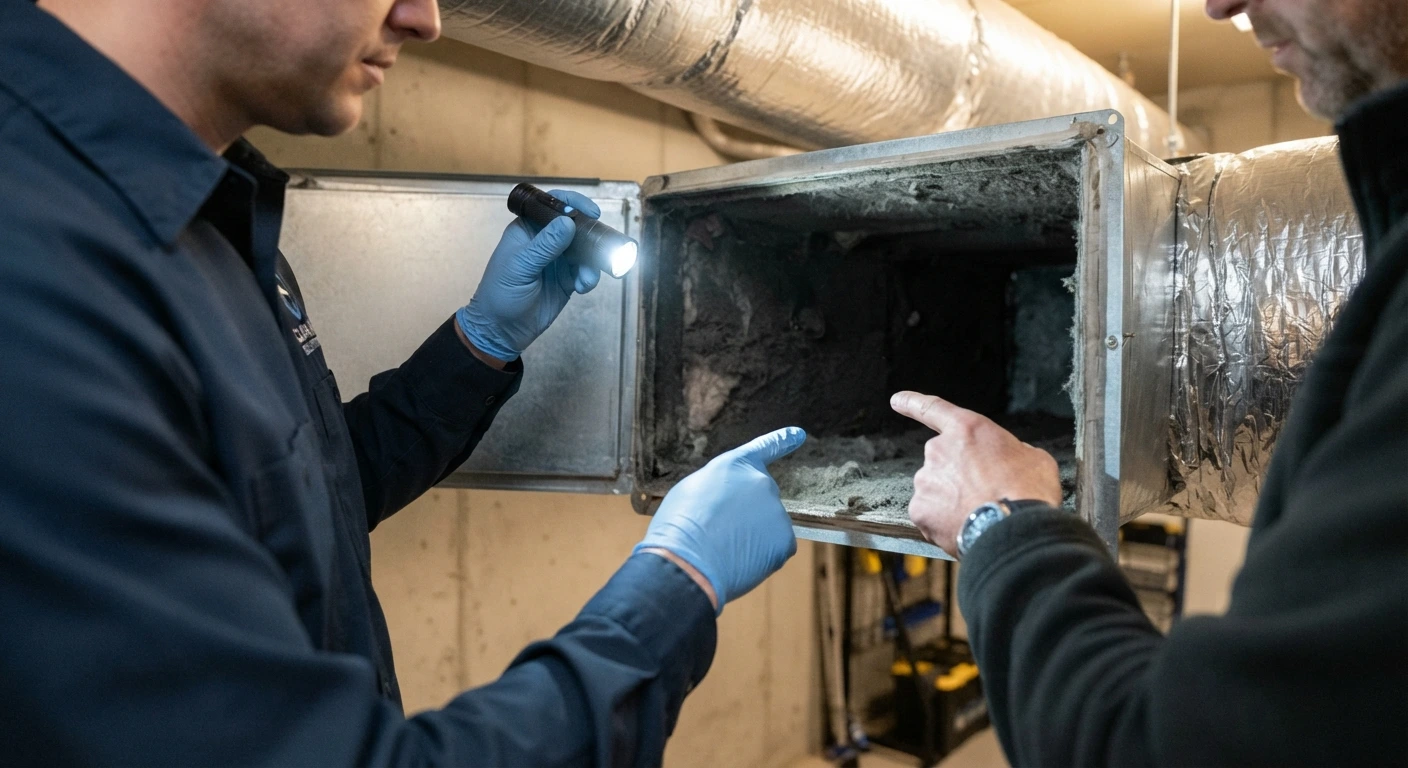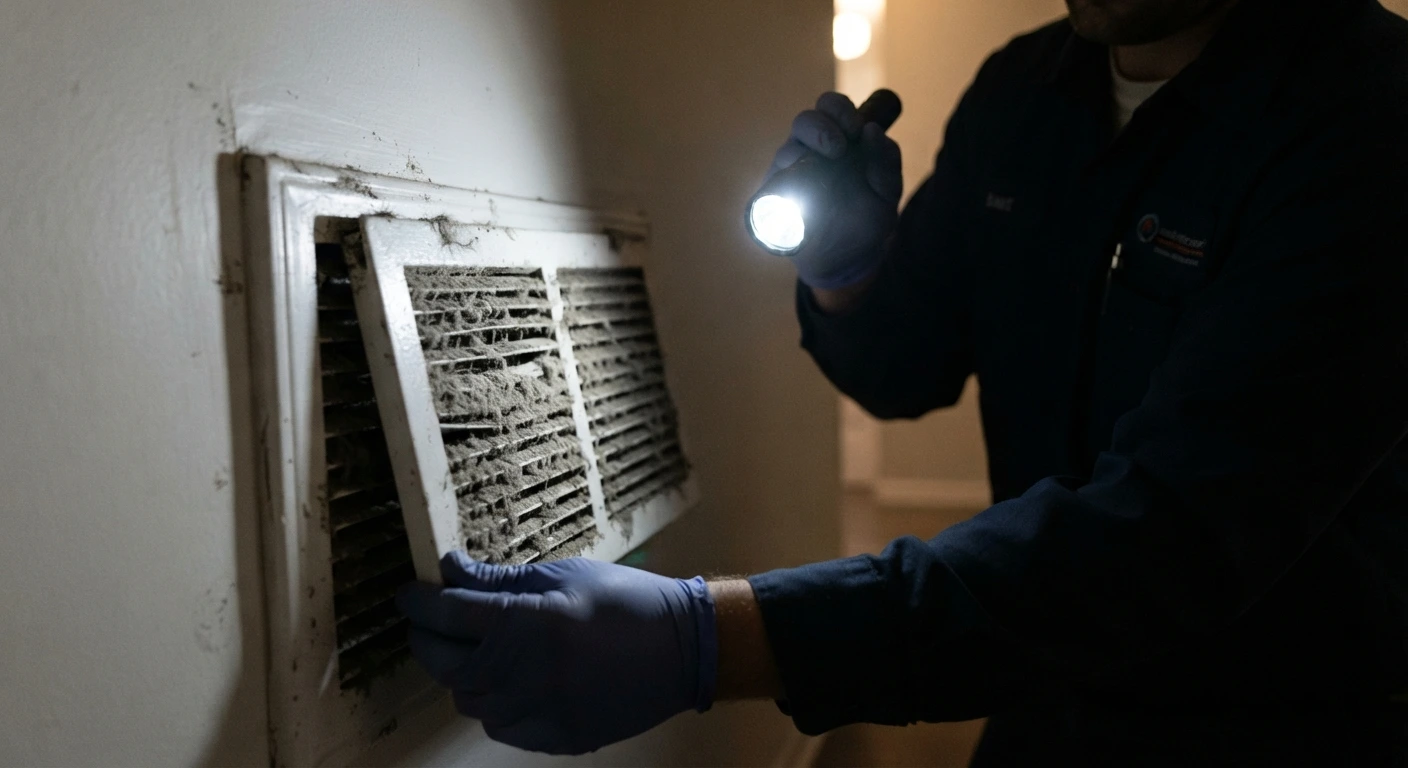

Have you ever looked inside an air vent and been a little horrified by what you saw? That gray, fuzzy buildup clinging to the edges. The dust bunnies seem to multiply no matter how often you clean your house. It makes you wonder what else is hiding deeper inside where you can’t see.
Your air ducts don’t start out dirty. When they’re first installed, they’re clean metal or fiberglass pathways designed to move air through your home. But over time, things change. Stuff accumulates. And before you know it, those clean pathways become collection points for all kinds of contaminants.
Understanding why this happens is the first step toward doing something about it. Because once you know what’s causing the problem, you can make smarter decisions about how to address it. And trust us, the causes of residential air duct cleaning needs are more varied and interesting than most people realize.
The Basic Science of Duct Contamination
Before we get into specific causes, it helps to understand the basic mechanics of how ducts get dirty.
Your HVAC system moves air. Lots of it. A typical residential HVAC system circulates all the air in your home. That’s thousands of cubic feet of air passing through the same ductwork over and over again.
Air isn’t pure. It carries particles. Some particles are visible, like dust and pet hair. Others are microscopic, like bacteria, mold spores, and volatile organic compounds. Every time air passes through your ducts, some of those particles stick to the duct surfaces. A little bit at a time, day after day, month after month.
Dust: The Most Common Culprit
Dust is everywhere. No matter how clean you keep your home, dust finds a way in. And a significant portion of that dust ends up in your ductwork.
According to the EPA, the average home generates about 40 pounds of dust per year. That’s not a typo. Forty pounds. Where does all that dust come from?
- Skin cells. Humans shed millions of skin cells every day. These tiny particles float through the air and eventually settle somewhere. Many of them settle inside your ducts.
- Fabric fibers. Your clothes, carpets, curtains, and upholstery all shed tiny fibers constantly. These fibers become airborne and get pulled into your HVAC system.
- Paper particles. Books, cardboard boxes, newspapers, and paper products all break down slowly over time, releasing microscopic particles.
- Soil and outdoor dirt. Every time you open a door or window, outdoor particles enter your home. Every time someone walks in from outside, they bring dirt on their shoes and clothes.
Your air filter catches some of this dust. But no filter catches everything. The particles that slip through end up coating your duct surfaces. Over months and years, this creates a visible buildup that affects both air quality and system efficiency.
Pet Dander and Hair
If you have pets, you have a significant source of duct contamination living right there with you. Dogs and cats shed constantly. Even breeds marketed as hypoallergenic still produce dander, which is the real problem.
Dander consists of tiny flakes of skin that animals shed along with their fur. These particles are incredibly small and light. They float easily through the air and stay airborne for hours. When your HVAC system pulls air through the return vents, it pulls in all that dander with it.
Approximately 67% of American households have at least one pet. That’s a lot of homes dealing with pet-related duct contamination.
Pet hair contributes too. While individual hairs are too big to pass through most filters, they accumulate at vent openings and filter surfaces. Broken-down hair particles do make it into the ductwork, adding to the overall contamination.
For families with pet allergies, this is one of the most important causes of air duct cleaning needs. All that dander circulating through the system gets blown back into living spaces every time the HVAC runs.
Pollen and Outdoor Allergens
Air infiltrates through gaps around windows and doors, through the attic, and through the foundation. And that air brings outdoor allergens with it.
During spring and fall, pollen counts can reach thousands of grains per cubic meter of air. That pollen enters your home and eventually finds its way into your HVAC system. Once inside the ducts, it accumulates along with everything else.
The Asthma and Allergy Foundation of America reports that more than 50 million Americans experience allergies each year. For these individuals, pollen trapped in ductwork becomes a year-round problem. Long after pollen season ends, the particles remain inside the ducts, getting recirculated every time the system runs.
Other outdoor contaminants cause similar problems:
- Mold spores from outdoor vegetation
- Fungal particles from soil and decaying matter
- Insect fragments and waste
- Vehicle exhaust particles
- Industrial emissions
If you live near agricultural areas, highways, or industrial zones, these outdoor contaminants likely contribute significantly to your duct contamination.
Construction Dust and Renovation Debris
This is a big one that catches many homeowners off guard. If your home has undergone any construction or renovation work, your ducts probably collected a huge amount of debris during that time.
Drywall dust is particularly problematic. It’s incredibly fine and spreads everywhere during construction. Workers try to contain it, but it’s almost impossible to keep it from getting into the HVAC system. Sawdust, insulation fibers, and concrete dust create similar issues.
New construction homes aren’t immune either. During the building process, ducts are often installed and left open while other work continues around them. Sawdust, paint overspray, and construction debris fall directly into the ductwork before the system is ever turned on.
If you’ve recently renovated or bought a newly constructed home, construction debris is almost certainly among the causes of air duct cleaning that apply to your situation.
Mold and Biological Growth
Moisture and ductwork don’t mix well. When humidity is too high or when condensation forms on duct surfaces, it creates conditions where mold and bacteria can thrive.
Mold doesn’t need much to get started. It needs moisture, warmth, and something organic to feed on. The dust that accumulates in your ducts provides plenty of organic material. Add some moisture, and you’ve got a recipe for biological contamination.
The CDC notes that mold can begin growing within 24 to 48 hours of moisture exposure. One small leak, one humid weekend, one condensation problem can be enough to start a colony.
Signs that biological growth might be affecting your ducts include:
- Musty or earthy odors when the HVAC runs
- Visible mold growth around vent openings
- Increased allergy or respiratory symptoms indoors
- Dark spots or discoloration inside vents
- Persistent condensation on duct surfaces
Mold contamination is one of the more serious causes of air duct cleaning because it can affect health and tends to spread over time if left unaddressed.
Also Read: Control Mold Growth in Your HVAC System by Air Duct Cleaning
Insects and Pests
It’s not pleasant to think about, but ducts can become home to unwanted creatures. Insects, rodents, and other pests sometimes find their way into ductwork seeking shelter, warmth, or a path through your home.
Droppings, shed skin, body parts, and nesting materials all contribute to duct contamination. When the HVAC system runs, these particles get distributed throughout your living space.
The National Pest Management Association estimates that rodents contaminate or destroy enough food each year to feed 200 million people. If they’re in your ducts, they’re contaminating your air.
Common duct invaders include:
- Mice and rats
- Cockroaches
- Spiders
- Ants
- Occasionally, birds or squirrels
If you’ve had pest problems in your home, it’s worth considering whether your ducts might have been affected. Professional commercial air duct cleaning can remove the contamination these pests leave behind.
Tobacco Smoke and Indoor Air Pollutants
If anyone smokes inside your home, the impact on your ducts is significant. Tobacco smoke contains thousands of chemicals, many of which stick to surfaces and create residue. Your ductwork becomes coated with this residue over time.
Research shows that third-hand smoke, the residue that remains on surfaces after smoking, can persist for months or even years. Once it’s in your ducts, it gets recirculated every time the system runs, even if no one has smoked inside for a long time.
Other indoor air pollutants create similar issues:
Cooking smoke and grease. Every time you fry something or burn something on the stove, particles enter the air. Over time, these coat duct surfaces, especially if your kitchen exhaust fan isn’t adequate.
Candles and incense. That relaxing evening with scented candles comes with a cost. Candle smoke contains soot particles that circulate through your HVAC and accumulate in ducts.
Household chemicals. Cleaning products, air fresheners, and personal care products all release volatile organic compounds. While these don’t accumulate as visible residue, they contribute to overall contamination.
Furniture off-gassing. New furniture, carpets, and building materials release chemicals for months after installation. These chemicals travel through your HVAC system.
Poor Filtration and Maintenance
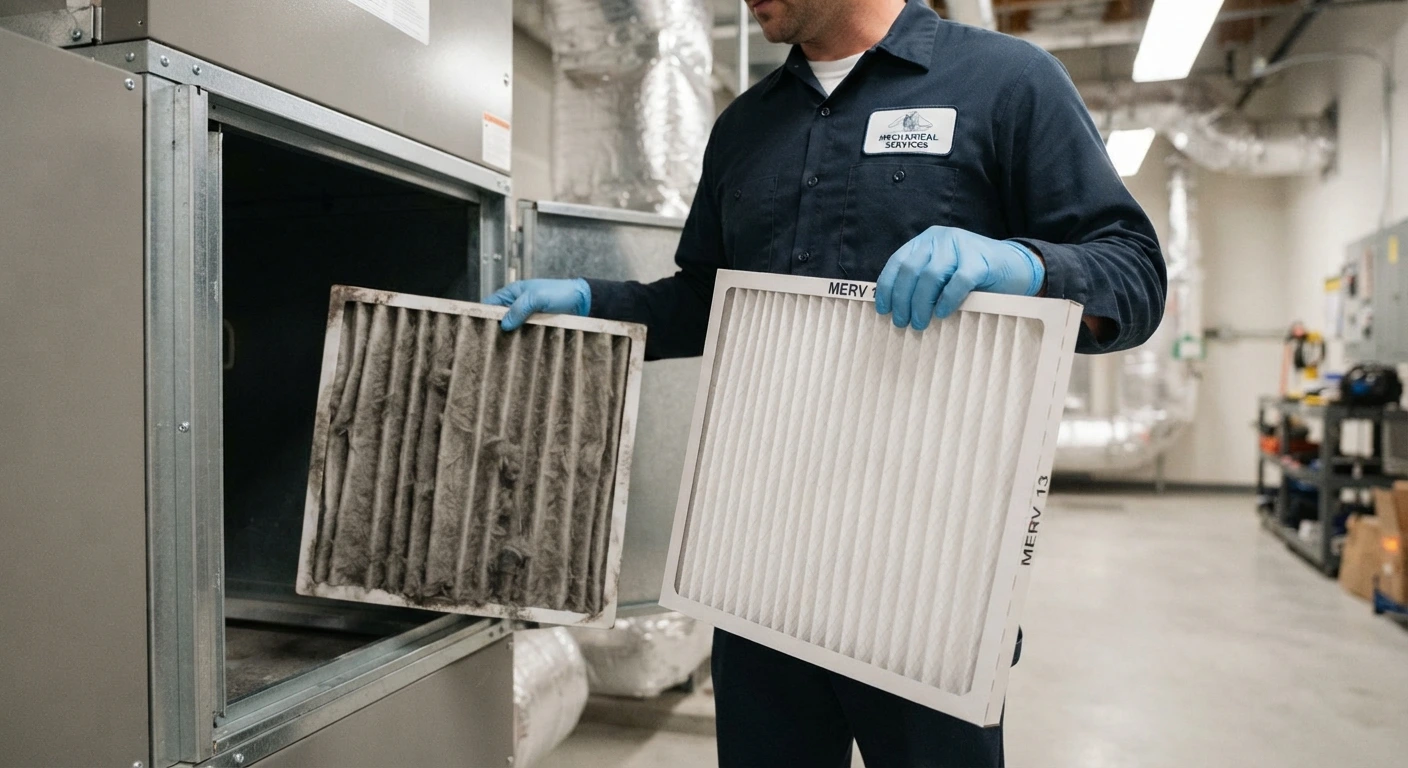
Sometimes the cause of dirty ducts is simply inadequate filtration or neglected maintenance. Your air filter is the first line of defense against duct contamination. If it’s not doing its job, more particles make it through to the ductwork.
Wrong filter type. Not all filters are created equal. Basic fiberglass filters catch large particles but let smaller ones pass right through. Higher-rated filters capture more, but only if they’re compatible with your system.
Dirty filters. Even a good filter becomes useless when it’s clogged. A dirty filter restricts airflow and can actually allow more particles through because the seal around the edges breaks down.
Irregular filter changes. Filters need regular replacement. Most experts recommend changing standard filters every 30 to 90 days, depending on household conditions. Homes with pets, allergies, or high dust levels need more frequent changes.
System neglect. An HVAC system that doesn’t receive regular maintenance accumulates more contamination than one that’s properly cared for. Components become dirty, efficiency drops, and the entire system works harder to move air.
Poor maintenance is one of the most preventable causes of air duct cleaning needs. Simple upkeep can significantly reduce how quickly contamination builds up.
Duct Leaks and Poor Sealing
Air goes in one end, travels through the ductwork, and comes out the vents. But many duct systems have leaks that allow contamination to enter from unconditioned spaces.
Ducts often run through attics, crawl spaces, basements, and wall cavities. These areas contain dust, insulation particles, pest droppings, and all kinds of debris. When ducts have leaks at connections or seams, that debris gets pulled into the airflow.
Signs of leaky ducts include:
- Uneven heating or cooling throughout the house
- Excessive dust despite regular cleaning
- Higher than expected energy bills
- Rooms that never seem comfortable
The Cumulative Effect
Each of these causes contributes a little bit to duct contamination. But they don’t work in isolation. They combine and compound over time.
Dust provides food for mold. Pet dander attracts dust mites. Construction debris clogs filters faster, allowing more particles through. Humidity makes everything sticky, helping contaminants accumulate faster.
A home might deal with several of these issues simultaneously. A family with two dogs, living in a humid climate, after a recent kitchen renovation? That’s multiple contamination sources all working at once.
The National Air Duct Cleaners Association recommends professional duct cleaning every three to five years for most homes. Homes with multiple contamination sources may benefit from more frequent service.
Why Its Important to Understand the Causes
Knowing why your ducts get dirty helps you make better decisions about your home. If you understand that pet dander is a major contributor, you might invest in better filtration or groom your pets more often. If you recognize that a recent renovation dumped debris into your system, you know that air duct cleaning should probably happen sooner rather than later.
Understanding the causes also helps you have informed conversations with service providers. When a technician explains what they’re finding in your ducts, you’ll understand the context.
Understanding the causes makes the need for periodic cleaning much more real. It’s not just theoretical. It’s your skin cells, your pet’s dander, last spring’s pollen, and the dust from that bathroom remodel three years ago. It’s all in there, getting blown around.
Call The Best Air Duct Cleaning Company
At Delta Clean Air, we’ve been inside thousands of duct systems. Whether your main issue is dust, pet dander, construction debris, or biological growth, professional air duct cleaning addresses the contamination that’s built up over time. Our team removes what’s accumulated and gives your system a fresh start.
We also help you understand what’s contributing to your specific situation. If we see signs of moisture problems, pest activity, or other issues, we’ll let you know. Because addressing the underlying causes helps keep your ducts cleaner longer.
Contact Delta Clean Air today. Let us show you what’s actually inside your ducts and what we can do about it. Because the air your family breathes matters more than most people realize.