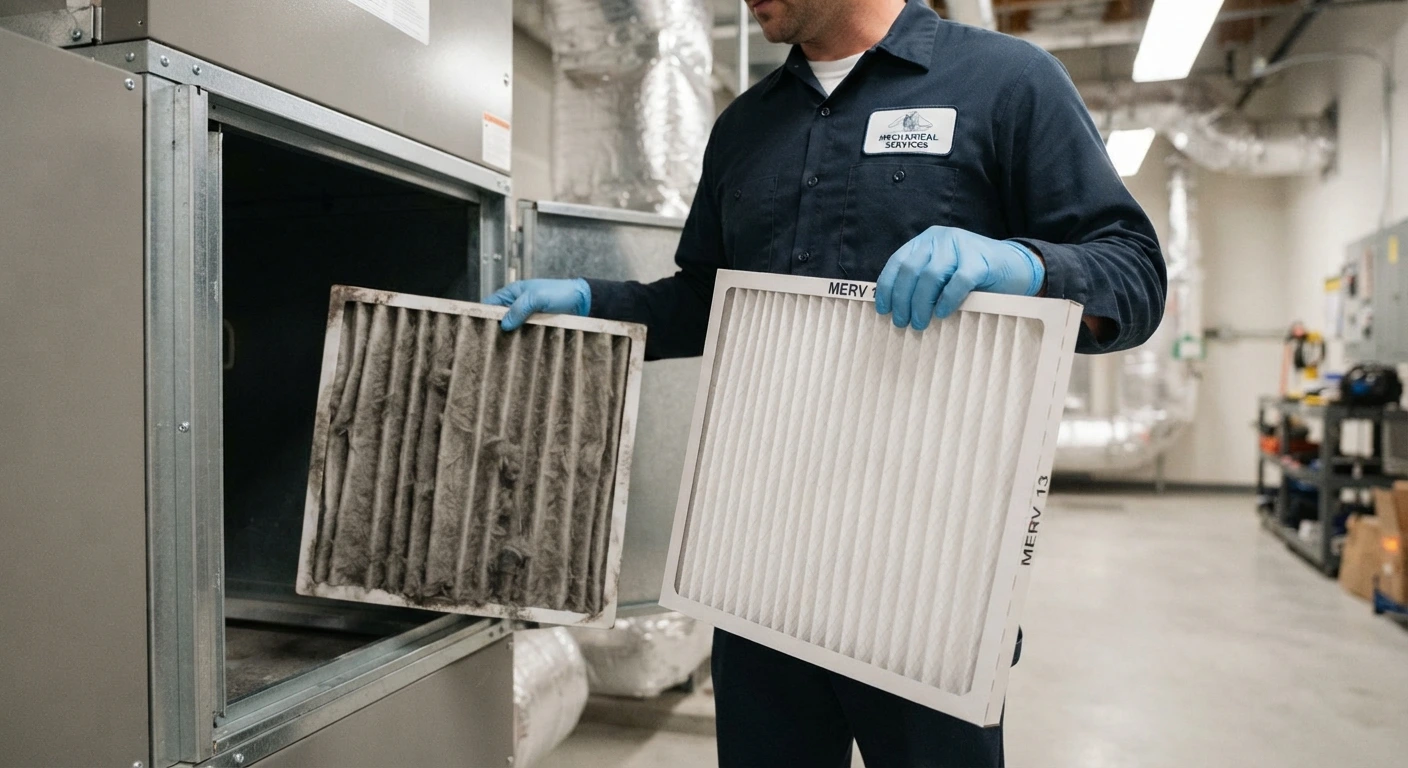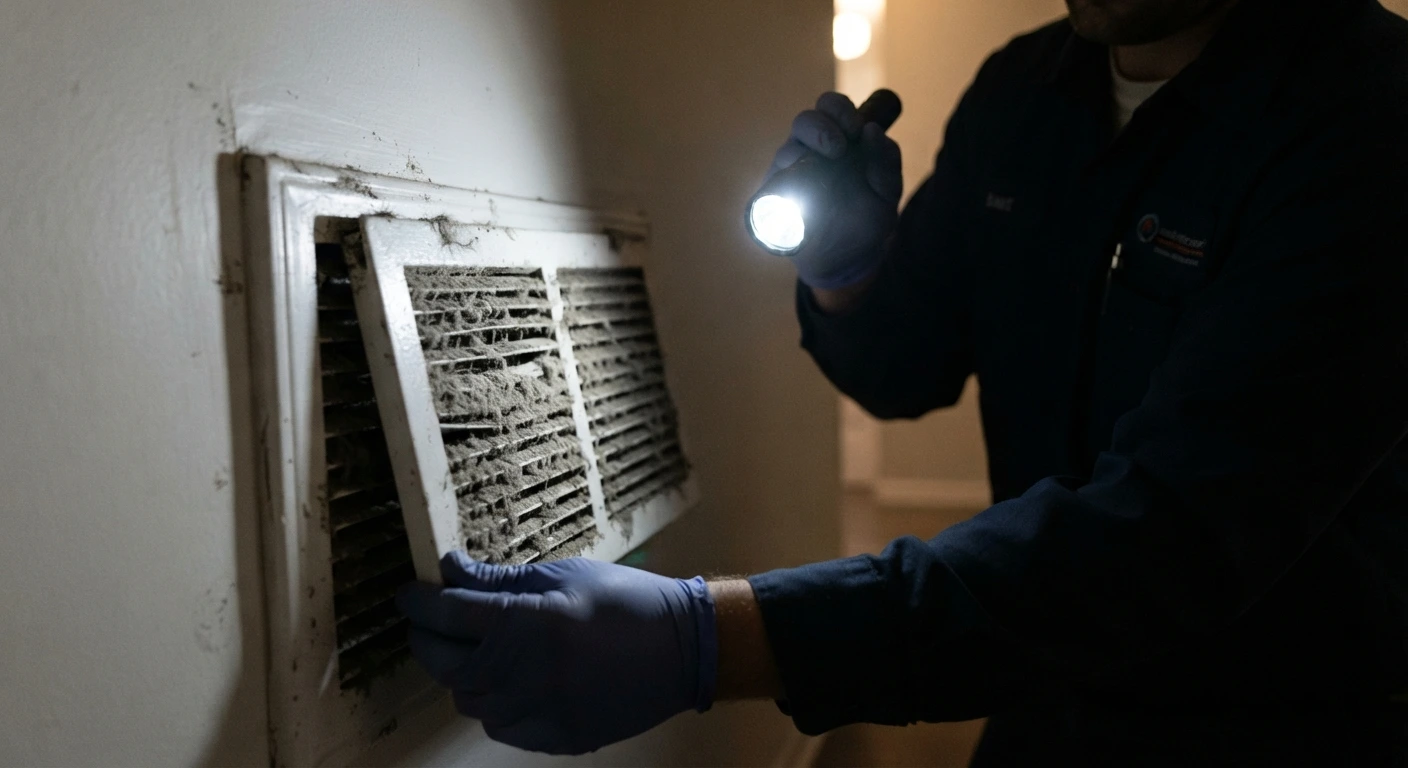

Mold loves to grow in dry and humid areas, and an HVAC system is an ideal place for it to flourish. Do you know the consequences of mold growth in the HVAC duct system? It not only damages the system but also causes multiple health issues, a nasty odor, and costly repairs. That’s why it is very important to keep an eye on it and get control of it.
What if you detect the mold growth? Simply, you have to get air duct cleaning in Boston. It is the most effective way to get rid of it and keep your indoor air clean.
Why Mold Loves To Grow in HVAC Systems
HVAC systems circulate air throughout your home, and this air travels through ducts that sometimes become a breeding ground for mold. Basically, mold needs three things to grow: moisture, warmth, and a surface to latch onto. Your HVAC system provides all three.
But how does mold get there? The HVAC ductwork is often filled with dust, debris, and sometimes moisture if you live in humid areas like Boston. This creates an environment where mold spores can land and grow. If there’s any condensation in the system, especially in the cooling coils or ducts, mold can easily grow. The moisture and darkness there create a perfect mold-friendly atmosphere.
Don’t be confused,
Read Out: Is Air Duct Cleaning Worth It?
The Health Risks of Mold in Your HVAC System
Mold is a serious health hazard. It is not a good idea to ignore it. When mold spores get into the air, you inhale them, and it causes multiple health issues, including respiratory tract infection, headache, allergic reactions, and worst: a compromised immune system. Common symptoms of mold exposure include:
- Coughing and wheezing
- Sneezing
- Nasal congestion
- Skin rashes
- Eye irritation
If you get exposed to mold for quite a long time, it can cause even worse issues like asthma and other chronic respiratory issues. If you notice any of these symptoms, run to your doctor. However, before that, let’s get to the root cause of the problem, which is your HVAC ductwork. Hire professionals for air duct inspection. If they notice a mold growth, get it cleaned immediately.
How Air Duct Cleaning Helps Prevent Mold Growth
Air duct cleaning involves removing dust, debris, and contaminants from the ductwork of your HVAC system. Good HVAC contractors perform it well to prevent the buildup of materials that mold spores need to grow. Regular air duct cleaning reduces the chances of mold growth to a great extent.
Here’s how air duct cleaning works to control mold growth:
- Removes Dust and Debris: Air ducts accumulate dust, pet dander, and other debris over time. Mold spores latch onto this debris, giving them a surface to grow on. Cleaning removes this material, depriving the mold of the nutrients it needs.
- Reduces Moisture: Moisture is one of the key factors that allow mold to thrive. During the cleaning process, technicians inspect your HVAC system for any signs of leaks or condensation. They address these issues, preventing the moisture that allows mold to grow.
- Improves Airflow: When your air ducts are clogged with dust and debris, airflow is restricted. This means your HVAC system works harder, which could increase humidity levels inside your ducts and create more opportunities for mold growth. Cleaning the ducts ensures better airflow and reduces humidity.
- Improves Indoor Air Quality: Clean air ducts help improve the quality of the air you breathe indoors. This is especially important in a place like Boston, where winters are long and people spend a lot of time indoors.
How Often Should You Clean Your Air Ducts?
According to NADCA, you have to get your air ducts cleaned at least once every 3 to 5 years. Apart from that, it depends on multiple factors as well, including your home size, the presence of pets, and the condition of the HVAC system. However, there are a few signs indicating the need for air duct cleaning. These signs are: if you notice any of the following, it might be time to schedule a cleaning sooner:
Visible Mold in Ducts
If you spot mold inside or around your ducts, it’s time to get your air ducts cleaned immediately.
Unpleasant Odors
Musty or moldy smells coming from your vents are often signs of dust or mold buildup in the ducts, which should be addressed with a cleaning.
Increased Allergies or Respiratory Issues
A rise in symptoms like coughing, sneezing, or wheezing can indicate that allergens like dust and pet dander are circulating through your HVAC system.
Excessive Dust Around Vents
If dust is consistently building up around your vents, it may mean that your ducts are full of debris, circulating dust back into your home.
Poor Airflow or Uneven Temperatures
Uneven cooling or heating in different rooms may point to blocked ducts. Cleaning can restore proper airflow and system efficiency.
Pets in the Home
Pets shed hair and dander that can accumulate in your ducts, reducing airflow and affecting air quality. Regular cleaning is important if you have pets.
Strange Noises from the HVAC System
If your HVAC system is making unusual noises, debris in the ducts might be causing vibrations or blockages.
Recent Renovations
Construction work can introduce dust and debris into your ducts. Cleaning after renovations ensures that contaminants aren’t circulating in your home.
High Energy Bills
Increased energy costs may be due to clogged ducts, which reduce airflow and force your HVAC system to work harder.
Age of Ductwork
If it’s been several years since your ducts were cleaned, it’s a good idea to schedule a cleaning. Regular cleaning is recommended every 3-5 years.
Check Out: What Causes Air Duct Buildup and How to Remove It
The Air Duct Cleaning Process
When you hire a professional air duct cleaning company in Boston, they’ll follow a thorough process to ensure your HVAC system is free from mold and other contaminants. Here’s what to expect during the cleaning process:
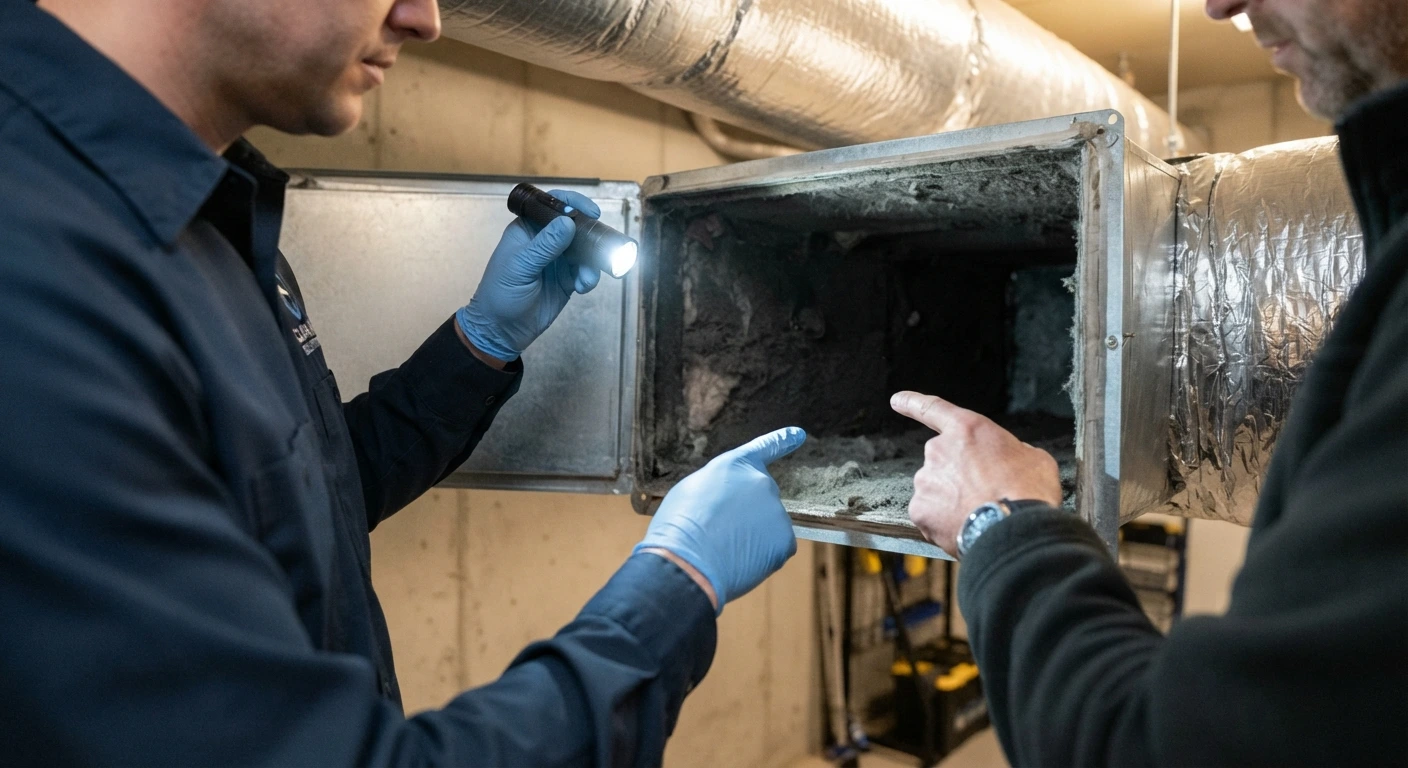
Inspection: The technician will first inspect your HVAC system to assess the condition of your ducts. They’ll look for signs of mold, moisture buildup, or debris that could contribute to mold growth.
Sealing and Cleaning: Once the inspection is complete, the technician will seal the vents to ensure that dust and debris don’t escape into your home. Using specialized equipment, they’ll clean the ducts with high-powered vacuums and brushes.
Mold Treatment: If mold is found, the technician will treat the ducts with an antimicrobial solution to kill the mold and prevent further growth. This step is essential to ensure that the mold is completely eradicated.
Post-Cleaning Inspection: After the ducts are cleaned, the technician will perform a final inspection to ensure that no mold, debris, or contaminants are left behind. They’ll also check for any issues that could lead to future mold growth, such as leaks or poor ventilation.
Maintenance Recommendations: To prevent future mold growth, the technician will provide recommendations for maintaining your HVAC system, such as checking for leaks, improving insulation, or installing a dehumidifier.
How To Choose Top Air Duct Cleaner in Boston
When selecting an air duct cleaning company in Boston, always choose a trusted and reliable technician. It’s essential to choose a reliable and experienced service provider. Here are some tips to help you make the right choice:
- Experience
- Licensing and Insurance
- References and Reviews
- Certifications
- Free Estimates
Do You Need Air Duct Cleaning in Boston? Let’s Get Started!
When was the last time you had your air ducts cleaned? Chances are you don’t even remember. It is the case with every other citizen. They don’t realize it unless something serious happens.
Are you one of those who notice mold growth around your HVAC system or air ducts? It is high time to schedule an appointment for air duct cleaning in Boston.
Delta Clean Air is among the best air duct cleaning companies in Boston. We’ve been cleaning commercial and residential ductwork for decades. All of our HVAC technicians are licensed and insured. They have the right tools and equipment to efficiently complete the task without causing any damage.
Call us today and let’s get started.