Air ducts can stay out of sight for years while your heating and cooling system keeps moving air through the building. Dust, construction debris, pet hair, pollen, moisture, and other material may enter the HVAC system during normal use. In some properties, that buildup reaches a point where it starts affecting cleanliness, airflow, comfort, or the condition of the HVAC system.
That does not mean every duct system needs cleaning on the same schedule. The U.S. Environmental Protection Agency recommends duct cleaning on an as-needed basis rather than as automatic yearly maintenance. However, the EPA says cleaning should be considered when ducts contain substantial dust and debris that is being released into occupied areas, when there is substantial visible mold growth, or when ducts are infested with vermin.
When those conditions exist, putting off air duct cleaning can create problems that reach beyond dusty vent covers.
What Happens If You Never Clean Your Air Ducts?
Nothing dramatic happens simply because a certain number of years have passed. Air duct conditions differ from one building to another.
An office with heavy foot traffic, an apartment with several pets, a retail space near a busy street, and a newly renovated property can collect different amounts and types of material inside the HVAC system. Filter quality, system design, building use, moisture, maintenance history, and construction work also affect how dirty the system becomes.
This is why duct condition matters more than a calendar.
If an inspection shows little contamination and the system is working as expected, immediate cleaning may not be necessary. If the system contains heavy debris, visible mold, pest contamination, or material coming from supply registers, leaving the problem untreated can have several effects.
The following five issues are among the main reasons commercial property managers and homeowners should pay attention to duct condition.
1. Dirty Air Ducts Can Add to Dust and Debris Problems
A layer of dust inside ductwork does not automatically mean all of that material is entering the room. The EPA points out that much of the dirt inside air ducts can remain attached to duct surfaces. This is an important distinction because exaggerated claims about ducts constantly filling a building with contaminants are not supported by current evidence.
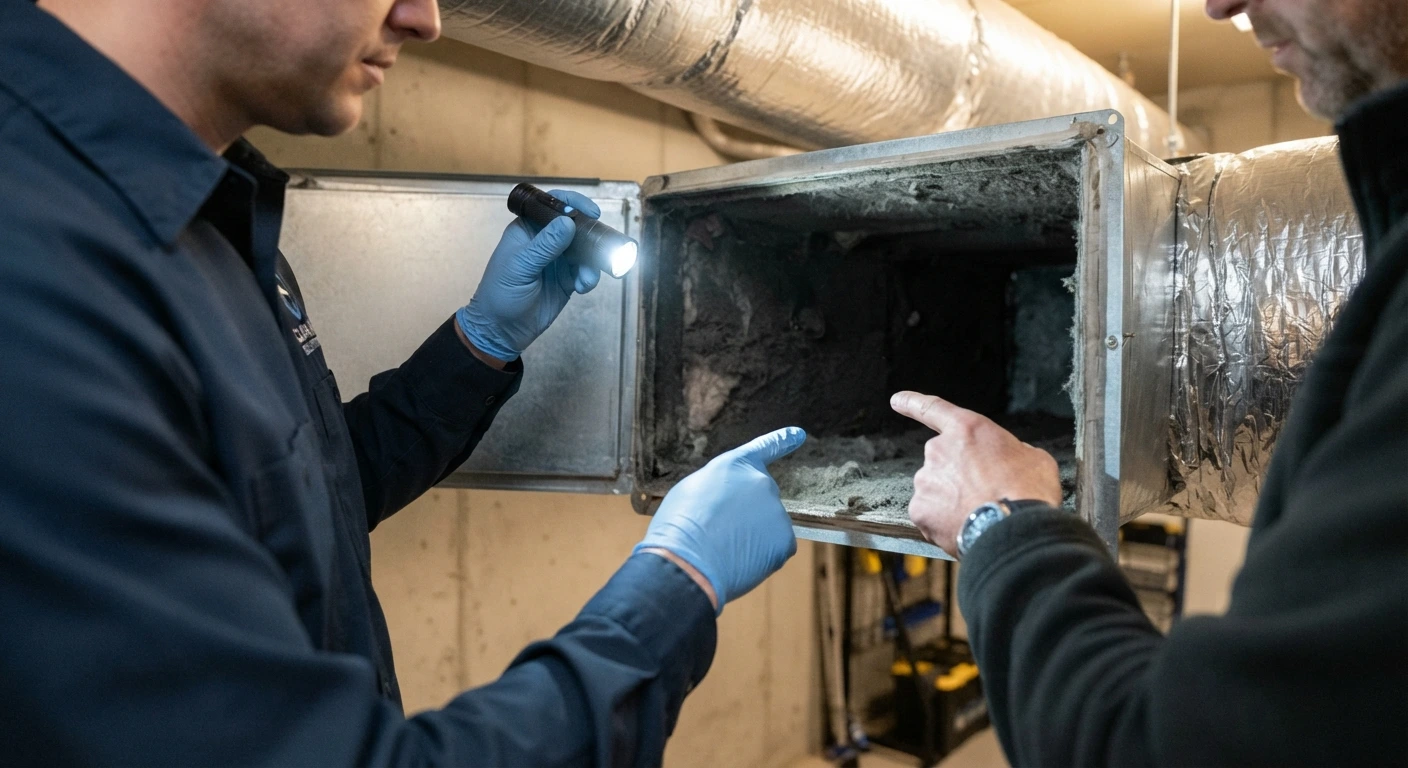
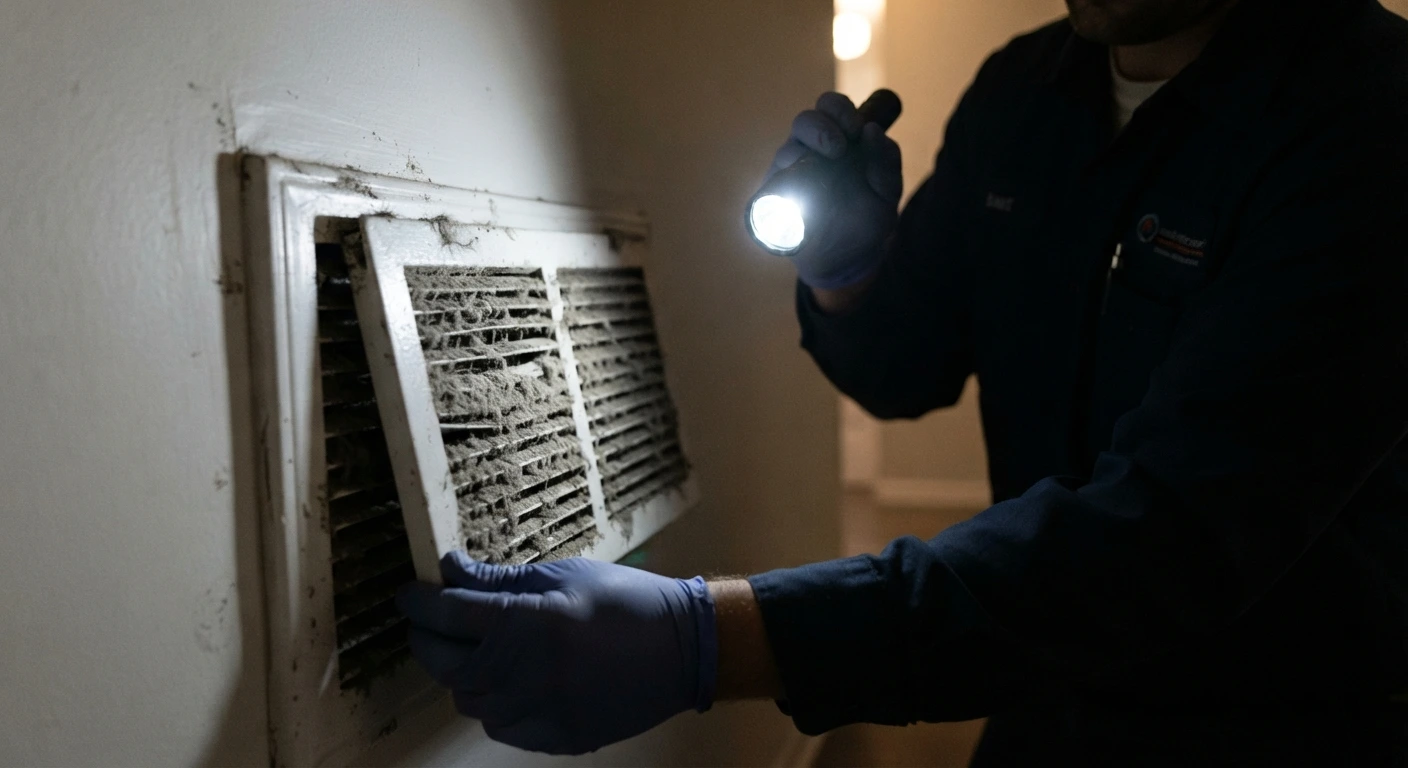
The situation changes when ducts are heavily contaminated, and particles are being discharged from supply registers.
Commercial Air Duct Dust Can Create More Cleaning Work
In offices, stores, schools, restaurants, apartment buildings, and other commercial properties, recurring dust can become a maintenance problem.
You may clean desks, shelves, counters, and other surfaces only to notice deposits returning near registers. Employees or tenants may report dust coming from vents. Dark material may collect around supply grilles.
A property with recent construction can face an added issue. Drywall dust, sawdust, insulation particles, and other renovation debris can enter an HVAC system when vents are left open during construction.
Once that material reaches the duct network, routine surface cleaning cannot remove the source.
Properties that recently completed remodeling work may benefit from reviewing whether renovation air duct cleaning is needed before spaces return to normal use.
Home Air Ducts Can Collect Material From Daily Living
Residential HVAC systems deal with another mix of material. Pet hair, textile fibers, tracked-in dirt, pollen, and household dust can reach return vents.
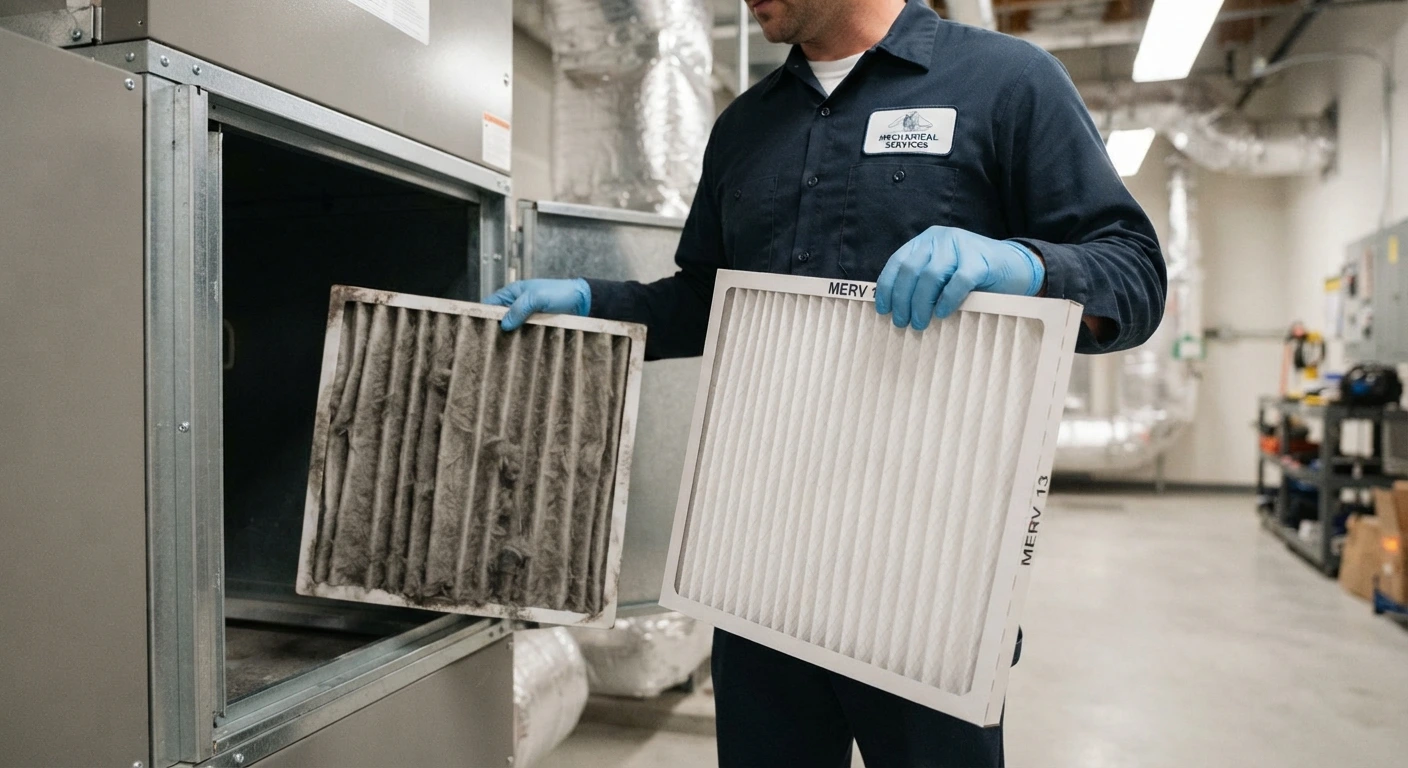
A good HVAC filter catches part of this material before it travels deeper into the system, which is why filter replacement remains one of the most important maintenance steps.
Duct cleaning should not replace filter maintenance. However, when debris has already collected inside the ductwork or other HVAC components, changing the filter cannot remove what is already there.
2. Clogged HVAC Ducts Can Affect Airflow and Room Comfort
Your HVAC system depends on air moving through a network of return ducts, equipment, and supply ducts.
When that airflow is restricted, heating and cooling can become less consistent. Heavy contamination is only one possible cause. A dirty filter, blocked register, damaged duct, equipment problem, or poor system design can create similar symptoms.
This is why an inspection should come before assuming duct cleaning will solve every airflow problem.
When debris inside the HVAC system is contributing to restriction, you may notice:
- Weak airflow from certain supply registers
- Rooms that take longer to reach the thermostat setting
- Temperature differences between sections of a building
- Longer heating or cooling cycles
- More HVAC comfort complaints from occupants
- Dust buildup around registers or grilles
These problems can be costly in commercial properties because one HVAC system may serve many rooms or work areas.
An office manager may receive repeated complaints that one room feels warm while another stays cold. A restaurant may struggle to keep dining areas comfortable during busy periods. A multifamily property may receive service requests from tenants who believe the heating or cooling equipment is failing.
Cleaning may help when contamination is restricting airflow, but duct condition should be checked together with filters, coils, blowers, dampers, registers, and the rest of the air-handling system.
3. Neglected HVAC Cleaning Can Make the System Work Harder
Dirty ductwork is only one part of HVAC cleanliness. Dust and debris can also reach the blower, coils, registers, drain pans, and other components.
The National Air Duct Cleaners Association states that contaminants in heating and cooling systems can make equipment work harder and may shorten system life. NADCA also recommends cleaning the HVAC system as a whole when cleaning is required rather than treating only a small section of ductwork.
That distinction matters for building owners.
HVAC Energy Costs Can Rise When Airflow Problems Develop
An HVAC system has to move a certain amount of conditioned air to maintain the thermostat setting. If filters, coils, blowers, or other components are dirty enough to restrict normal operation, the system may need longer run times to reach the target temperature.
Longer operation means more energy use.
Duct cleaning by itself should not be promoted as a guaranteed way to cut a specific percentage from an energy bill. Building size, insulation, thermostat settings, equipment age, weather, duct leakage, filters, and mechanical condition all affect energy use.
However, allowing a contaminated HVAC system to keep operating without inspection can leave a source of unnecessary resistance or equipment strain in place.
Commercial properties feel these operating costs on a larger scale because their systems may run for many hours each day. Small performance losses across several rooftop units, air handlers, or HVAC zones can add up over time.
Dirty HVAC Components Can Increase Maintenance Pressure
A system working under poor airflow conditions may also create more maintenance calls.
Blower assemblies and coils need proper airflow to perform their jobs. Cleaning only visible registers while ignoring contamination deeper in the system may leave the main problem untouched.
Where inspection shows buildup beyond the ductwork, services such as coil cleaning may need to form part of the maintenance plan rather than treating duct cleaning as an isolated job.
4. Mold, Moisture, and Pest Contamination Can Remain Inside Air Ducts
Dust is not the only reason an HVAC system may need attention.
The EPA specifically identifies substantial visible mold growth inside hard-surface ducts or on other HVAC components as a condition where duct cleaning may be appropriate. It also identifies vermin infestation as a reason to have ducts cleaned.
These are different problems from normal household dust.
Moisture Can Turn an HVAC Issue Into a Mold Issue
Mold needs moisture. If water is entering ductwork, condensation is developing where it should not, or an HVAC component is staying wet, cleaning the visible mold without solving the moisture source will not fix the problem for long.
The first task is finding out why moisture is present.
Possible causes can include condensate drainage problems, insulation issues, leaks, high indoor humidity, or other HVAC conditions. The correct solution depends on the source.
Cleaning should then address contaminated material that can be cleaned. Wet or mold-contaminated insulation may require replacement rather than surface treatment, depending on the material and condition.
Property managers should take this seriously in buildings where occupants report persistent musty odors near supply registers or maintenance staff can see material growing on HVAC components.
Rodents and Insects Can Contaminate Duct Systems
Pests can enter duct systems through damaged sections, openings, utility spaces, attics, crawl spaces, or other access points.
An infestation can leave nesting material, droppings, fur, insect material, and other contamination inside the HVAC system.
Cleaning without pest control will not solve the source. Pest access must be stopped first, then contaminated sections can be assessed and cleaned.
Commercial buildings with storage areas, food service, basements, loading areas, or long sections of unused ductwork may need closer inspection if pest activity has occurred elsewhere in the property.
5. Neglected Air Duct Contamination Can Create Odors and Ongoing Occupant Complaints
One of the most frustrating HVAC problems is an odor that returns each time the heating or cooling system starts.
Ducts are not responsible for every indoor odor. Plumbing, drains, carpets, trash areas, moisture, cooking, smoking, building materials, and many other sources can produce smells.
The HVAC system can still become involved when contaminated material is located within the air-distribution path.
Moist debris, pest material, microbial growth, accumulated dirt, or construction residue can produce odors that become more noticeable when air moves through the system.
For commercial building managers, recurring odor complaints can become more than an HVAC issue.
They can affect how people experience the property.
Customers notice smells in stores and restaurants. Employees report problems to facility managers. Tenants may assume that an odor means the HVAC system is unsafe, even before the source has been identified.
Covering the smell with fragrance does not identify what is causing it.
A better process is to inspect the HVAC system and surrounding building conditions, locate the source, correct any moisture or pest problem, and clean affected components where needed.
How Commercial Air Duct Cleaning Affects Building Maintenance
Commercial properties account for most of the practical impact of neglected duct systems because the HVAC network is usually larger and serves more people.
A business may have multiple air handlers, long duct runs, rooftop units, return-air pathways, conference rooms, private offices, customer areas, storage rooms, and service spaces connected through the system.
A duct problem can therefore affect more than one room.
Commercial buildings also change over time. Offices get renovated. Retail tenants move in and out. Walls are added. Ceiling work creates dust. Restaurants generate grease and airborne material. Warehouses introduce packaging debris. Hotels and multifamily properties have constant occupant turnover.
A sensible air duct cleaning plan should consider the building rather than rely on one cleaning interval for every property.
Facility teams should look at:
- Building use and occupancy
- Recent construction or renovation
- Filter replacement history
- Visible material around registers
- HVAC inspection results
- Moisture or water events
- Pest history
- Complaints about dust, airflow, or odors
- Condition of coils and blower components
A commercial HVAC system that has stayed clean and has no contamination problem may not need immediate duct cleaning. A system affected by construction dust or pest activity may need attention much sooner.
How Neglected Residential Air Ducts Affect a Home
Homeowners face the same five basic issues, but the scale is smaller.
A house with pets may collect more hair and dander near return vents. A remodeling project can send fine construction dust into uncovered registers. An older home may have duct sections in an attic, basement, or crawl space where pests can gain access.
Families may also notice dust deposits sooner because they clean the same rooms each week.
The important point is to separate duct problems from other household sources.
If a home feels dusty, start with filters, vacuuming, outdoor dirt entry, carpets, pets, windows, and visible HVAC registers. If material is coming from the supply vents or an inspection finds significant contamination inside the system, air duct cleaning becomes a more relevant step.
A professional assessment can also determine whether the issue involves the ducts alone or other HVAC components.
When Does Air Duct Cleaning Make Sense?
The EPA’s guidance gives property owners a useful starting point. Cleaning becomes more reasonable when ducts are substantially clogged with dust or debris and material is entering occupied areas, when substantial visible mold exists inside appropriate HVAC surfaces, or when vermin have infested the duct system.
Other situations can justify an inspection even before cleaning is selected.
A major renovation, unexplained material blowing from vents, an HVAC system with an unknown maintenance history, or contamination following a construction or pest event can all provide reasons to look inside.
An inspection separates a condition that needs cleaning from a system that simply needs a new filter or another type of HVAC repair.
Professional Air Duct Cleaning Should Address the HVAC System, Not Just Vent Covers
Cleaning the visible vent grille is not the same as cleaning an air-distribution system.
NADCA’s guidance says effective HVAC cleaning should address the system components that are contaminated. Cleaning only part of the system can allow remaining material to contaminate cleaned areas again.
Depending on the system and findings, the process may involve supply and return ductwork, registers, grilles, blower components, coils, drain pans, and other accessible HVAC surfaces.
This is another reason commercial jobs need planning. Equipment size, duct configuration, access points, business hours, sensitive areas, and building occupancy can affect how cleaning should be completed.
A property manager should understand which components are included before work starts rather than assuming every company uses the phrase air duct cleaning to describe the same scope.
How Often Should Air Ducts Be Checked for Cleaning?
There is no federal rule that every home or business needs duct cleaning every year or every fixed number of years. The EPA recommends cleaning on an as-needed basis, which is a schedule our own guide on how often AC ducts should be cleaned breaks down by building type.
That makes periodic inspection more useful than relying only on a date.
Commercial property managers can include duct and HVAC cleanliness in their maintenance reviews, especially after construction, water incidents, pest problems, or extended periods of heavy building use.
Homeowners can pay attention to the same conditions while keeping filters changed according to the HVAC equipment and filter manufacturer’s instructions.
If nothing indicates a contamination problem, cleaning should not be sold as a cure for every indoor air concern.
If the system contains substantial debris, mold, pests, or material being released into rooms, leaving it untouched can allow the problem to continue.
Stop Dirty Air Ducts from Becoming a Larger HVAC Problem
Dust around a vent may look like a minor maintenance issue, but a contaminated HVAC system can affect cleaning workloads, airflow, occupant comfort, equipment operation, odors, and the condition of other HVAC components. Waiting until complaints increase can also make the source harder to separate from other building problems.
Delta Clean Air provides residential and commercial air duct cleaning in Boston and communities across Massachusetts, along with coil cleaning, blower cleaning, renovation duct cleaning, and other HVAC cleaning services shown on its current service pages. The company works with both homes and commercial properties, allowing the service scope to match the type and condition of the HVAC system. If your vents are releasing debris, your property has gone through construction, or an inspection shows contamination inside the system, contact Delta Clean Air for air duct cleaning before the problem becomes another recurring maintenance complaint.