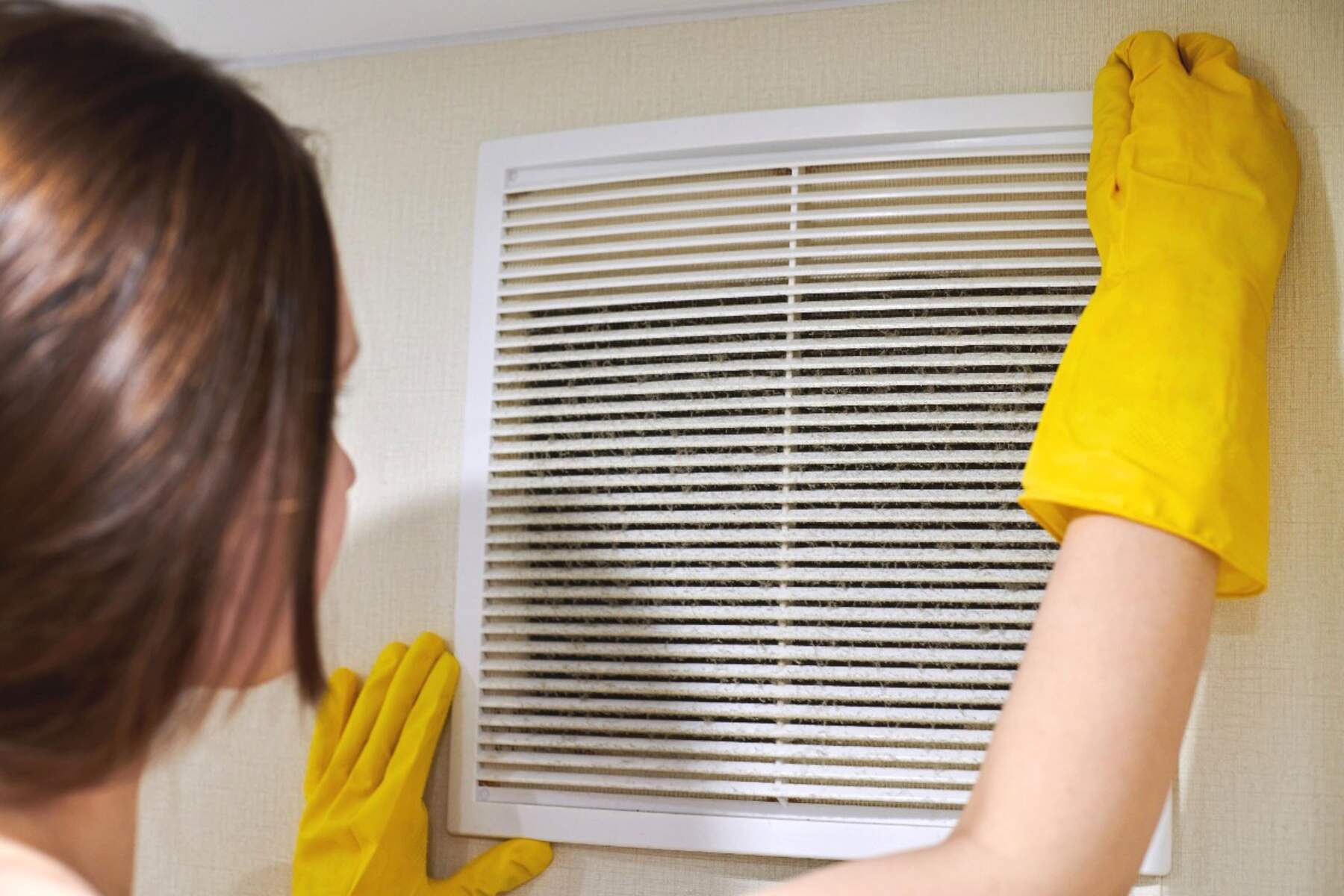
Buying an older home usually comes with a long list of unknowns, from the age of the roof to the condition of the plumbing. The ductwork rarely makes that list, even though it may hold years of dust, pet dander, and smoke residue from the people who lived there before you. Fresh paint and new carpet change how a home looks, but they do nothing for what sits inside the ducts.
For most buyers of older homes, duct cleaning before move-in is a sensible step, especially when previous owners had pets, smoked indoors, or left no maintenance records. Cleaning removes what the last household left behind and gives your family a clean starting point. The need depends on the home’s age, its history, and what an inspection of the ducts reveals.
Should You Clean the Air Ducts in an Older Home Before Moving In?
For most buyers, the answer is yes, though it depends on what the home has been through. Americans spend about 90% of their time indoors, where some pollutants are often 2 to 5 times higher than outdoors, and the HVAC system moves that indoor air through every room. NADCA also lists moving into a home that’s new to you as a reason to consider cleaning, along with pets, smoking, and renovations.
Cleaning makes the most sense when one or more of these apply:
- Previous Pets: Cats or dogs lived in the home
- Indoor Smoking: Someone smoked inside, even years ago
- Unknown History: No record of the ducts ever being cleaned
- Recent Renovation: Sanding, drywall, or flooring work before the sale
- Visible Problems: Dust from vents, musty odors, or signs of pests
If none of these apply and the vents look clean, an inspection alone may be enough. Most older homes check at least one box, though.
Why Older Homes Hold More in Their Ductwork
Ductwork collects a little more with every year of use, and older systems have had decades to gather it. Many also ran for years on basic filters or long gaps between filter changes. Most buyers face this situation at some point, since 84% of recent buyers purchased an existing home.
Home age matters even more in this region. The median owner-occupied home in Massachusetts is 59 years old, compared with 42 nationally. Many Boston-area homes have ductwork that has served several families, and few sellers can say when it was last cleaned.
Older systems often bring a few problems of their own:
- Long Service Life: Decades of dust settle in trunk lines and return ducts
- Basic Filters: Older units often ran with low-efficiency filters
- Leaky Joints: Gaps pull in attic, basement, or crawl space dust
- Aging Materials: Worn duct liner or old tape may need attention first
Pets: What Dander and Hair Leave Behind
Pets are one of the most common reasons buyers book a cleaning before move-in. With 94 million U.S. households owning at least one pet, there’s a strong chance the home you’re buying housed a cat or dog at some point.
Why Pet Allergens Linger in the Ducts
Pet dander is light and sticky, and the return vents pull it into the system every time the heat or air conditioning runs. Once inside, it settles on duct walls and the blower, then gets pushed back out through the supply vents. In a home that previously had cats, it may take 20 to 30 weeks for cat allergen to drop to the levels found in animal-free homes.
That timeline matters for many households. Up to 3 in 10 people in the U.S. are allergic to cats and dogs, and cat allergies are about twice as common as dog allergies. For someone with these allergies, dander left in the ducts can trigger symptoms in a house that looks spotless.
Signs the Previous Owners Had Pets
Even when the seller doesn’t mention pets, the HVAC system often tells the story:
- Hair Around Vents: Fur stuck to return grilles or supply registers
- Clumped Debris: Mats of hair just inside the duct openings
- Lingering Odor: A faint animal smell when the system first turns on
- Filter Condition: Heavy fur buildup on the old filter
Smoke: Why Residue Stays in the Ducts Long After Smokers Leave
Tobacco smoke leaves a sticky residue that researchers call thirdhand smoke. It settles on walls, carpets, and furniture, and the ductwork collects it too as the system circulates air through the home.
How Long Smoke Residue Lasts
Smoke residue is far more persistent than most buyers expect. One study found thirdhand smoke in dust and on surfaces in former smokers’ homes, and on the hands of nonsmokers who moved in more than 2 months after the smokers moved out. Related research found the residue remained even after homes sat vacant for 2 months and were prepared with new carpet and paint.
In practical terms, a home can look and smell clean at the showing and still hold smoke residue in places you can’t see. The ductwork is one of those places, and it can spread that residue into every room once the system starts running.
What Duct Cleaning Can and Can’t Remove
Professional cleaning removes residue from metal duct surfaces, the blower, and the coil, and that helps reduce smoke odor coming through the vents. It has limits, and knowing them helps you plan the rest of the cleanup:
- Metal Ducts: Smooth metal surfaces clean well. Residue comes out along with dust and debris.
- Fiberglass Duct Liner: A porous liner can hold odor deep in the material. Heavily affected sections may need replacement.
- Rest of the House: Walls, ceilings, carpets, and cabinets hold residue too. Cleaning them at the same time gives the best result.
Duct cleaning works best as one part of a whole-home smoke cleanup. Treating the ducts alone can leave odor coming back from other surfaces.
What Else Previous Owners Leave in the Ductwork
Pets and smoke get the most attention, but they aren’t the only things a previous household can leave behind. These are common finds in older homes:
- Renovation Dust: Sanding, drywall, and floor refinishing before a sale often send fine dust into open vents.
- Pest Activity: Rodents and insects can nest in ducts and leave droppings behind. The EPA lists ducts infested with vermin as a reason to have them cleaned.
- Moisture and Mold: Past leaks or a poorly draining AC unit can leave mold near the coil or drain pan.
- Dropped Items: Toys, coins, and debris often fall through floor registers over the years.
- Skipped Maintenance: Missing or clogged filters let dust pass straight into the system.
None of these show up during a typical showing. An inspection of the ducts before you unpack is the simplest way to find them.
Older-Home Duct Issues to Check Before Cleaning
Some older systems need a closer look before any cleaning begins. Checking these points first protects your family and keeps the cleaning from causing new problems.
Older Duct Tape and Insulation
Ductwork installed before the 1980s may have tape, wrap, or insulation containing asbestos. EPA guidance calls for inspecting the system for asbestos-containing materials before cleaning, and those materials should only be handled by specially trained contractors. Suspect materials should be tested before any work disturbs them.
Damaged or Disconnected Ducts
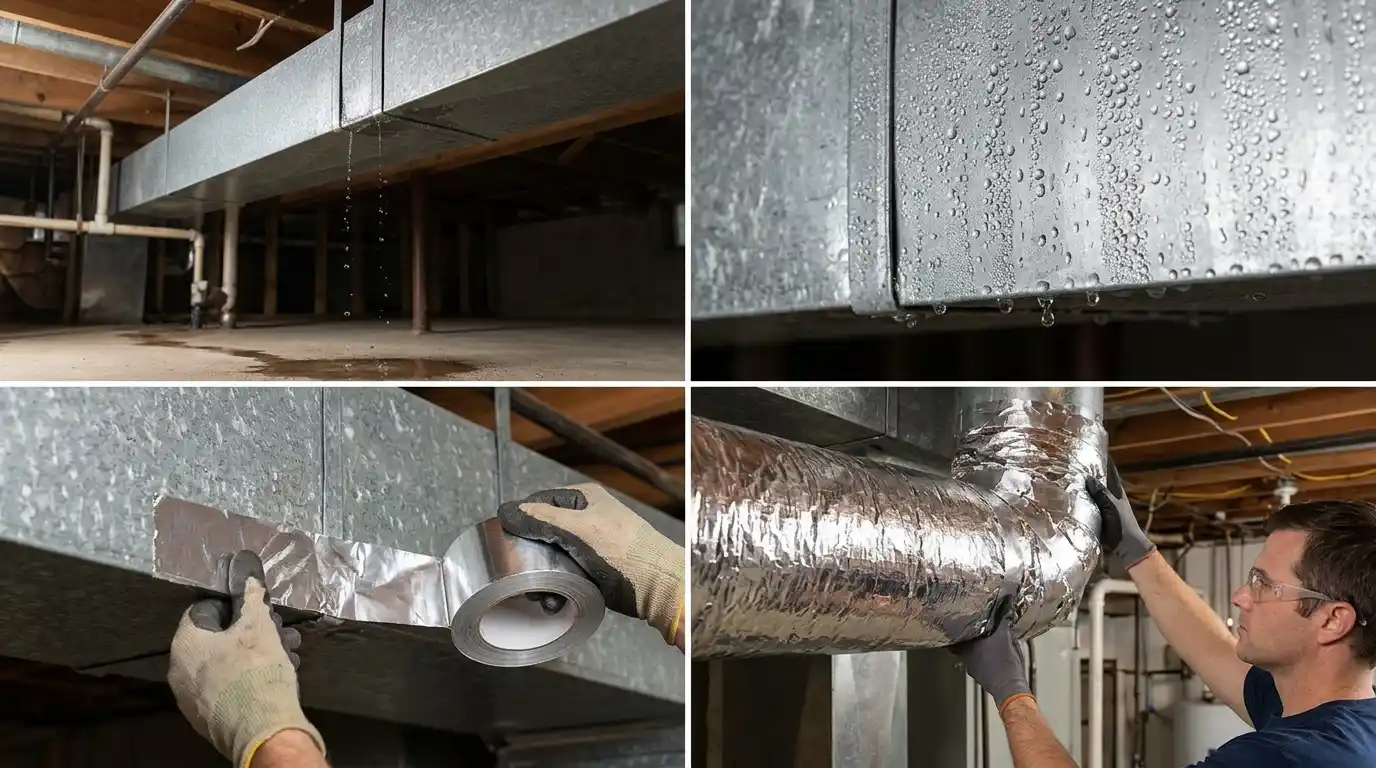
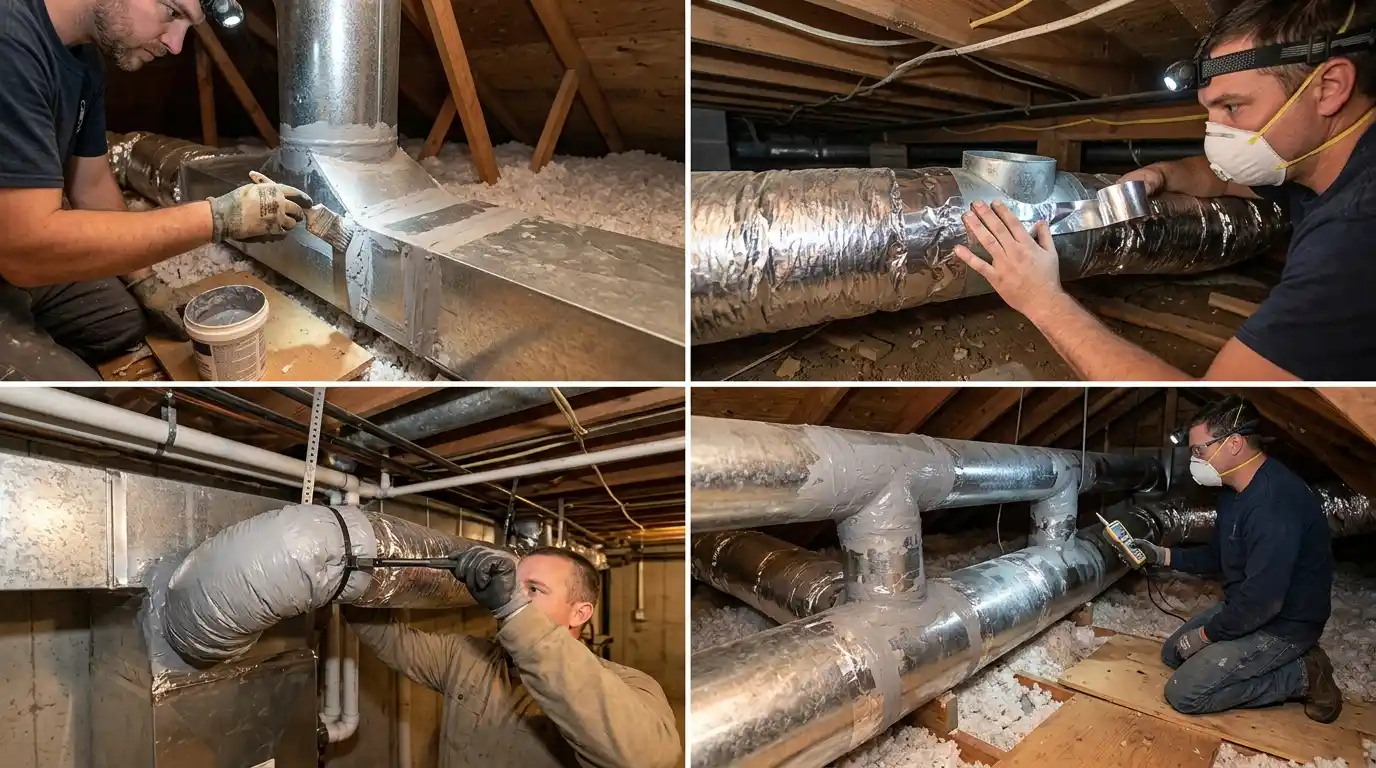
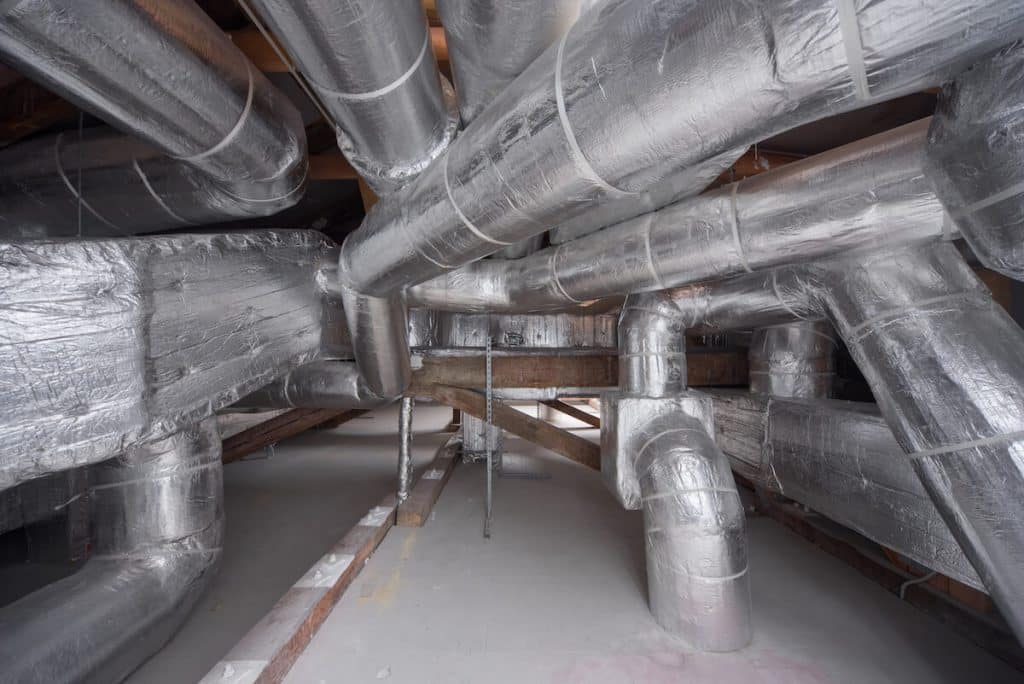
Older flexible ducts can sag, tear, or pull loose at the joints, and some sections get crushed in attics or crawl spaces. Cleaning won’t fix these problems. Repairs should happen before or alongside the cleaning.
Moisture Problems
Standing water in the drain pan, rust on the unit, or musty smells point to moisture. The source needs to be fixed first, or mold can return to freshly cleaned ducts.
When to Schedule Duct Cleaning During a Move
Timing has a big effect on how long the results last. The best window falls after the dusty work is done and before your belongings arrive:
- Close on the Home: Book the cleaning for the days right after closing.
- Finish Dusty Projects: Complete painting, sanding, drywall, and flooring work first.
- Schedule Duct Cleaning: Have the ducts cleaned once the dust-producing work is done.
- Replace the Filter: Install a fresh filter right after cleaning.
- Move In: Bring in furniture, rugs, and boxes once the system is clean.
Cleaning before renovation work means the ducts fill with new dust. Cleaning after move-in means working around furniture and boxes. Delta Clean Air works with new homeowners across Boston and Massachusetts to fit the cleaning between closing and move-in day.
What a Move-In Cleaning Should Include
Move-in cleaning should cover the whole system, from the vents to the HVAC unit. These are the parts of the job that matter most:
- Inspection: A look inside the ducts to check for damage, pests, and older materials before cleaning starts.
- Full Duct Cleaning: Supply and return ducts cleaned with agitation tools under strong suction.
- Coil and Blower Cleaning: The parts that hold the most dander and residue are cleaned along with the ducts.
- Vent and Register Cleaning: Grilles removed, cleaned, and reinstalled.
- Deodorizing When Needed: Treatment applied after cleaning for homes with strong pet or smoke odors.
- New Filter: A fresh filter installed before the system runs again.
Our team cleans the ducts, coil, and blower in the same visit. When pet or smoke odors call for it, we follow up with Benefect Decon 30, a natural, non-toxic cleaner, to deodorize and sanitize the system.
Questions to Ask the Seller Before Closing
The seller or listing agent can often answer questions that save you guesswork later. Ask about:
- Pets: What animals lived in the home and for how long
- Smoking: Whether anyone smoked indoors
- Duct Cleaning: When the ducts were last cleaned, if ever
- Renovations: Any recent sanding, drywall, or flooring work
- Leaks: Past water damage near the HVAC unit or ducts
- Pests: Any history of rodents or insects
- Filters: How often filters were changed
Their answers help you decide whether to book a cleaning and what the technician should check first.
Keeping Your New Home’s Ducts Clean
Once the system is clean, a few habits keep it that way for years:
- Change Filters Regularly: Follow the HVAC manufacturer’s schedule
- Groom Pets Often: Less loose hair reaches the return vents
- Keep Smoking Outdoors: Prevent new residue from building up
- Cover Vents During Projects: Seal registers before any dusty work
- Inspect Periodically: Have the system checked every few years
Frequently Asked Questions
These are the questions new homeowners ask most often about cleaning the ducts in an older home.
Should I clean air ducts before moving into a house?
For most older homes, yes, especially when previous owners had pets, smoked indoors, or did recent renovations. Cleaning removes what the last household left behind and gives you a clean starting point before your furniture and family move in.
Can duct cleaning remove pet dander from a previous owner?
Yes, professional cleaning removes dander and hair from duct surfaces, the blower, and the coil. Replacing the filter and cleaning carpets and upholstery at the same time gives allergy sufferers the best chance of reducing symptoms in the new home.
Will duct cleaning get rid of cigarette smoke smell?
It can reduce smoke odor coming through the vents by removing residue from metal ducts and HVAC parts. Walls, carpets, and fiberglass duct liner can also hold residue, and those surfaces may need their own cleaning or replacement.
How long do pet allergens stay in a house after the pets are gone?
In homes that previously had cats, allergen levels can take 20 to 30 weeks to drop to the levels found in pet-free homes. Cleaning ducts, carpets, and walls can help shorten that time for allergic residents.
Should I clean the ducts before or after renovating?
Schedule duct cleaning after renovation work is finished. Sanding, drywall, and flooring projects send fine dust into the system, and cleaning first means paying to remove the same dust twice. Cover the vents during the work.
Do home inspectors check inside air ducts?
Most standard home inspections look at the HVAC system’s operation and visible parts, but they rarely examine the inside of the ductwork. Separate duct inspections show dust buildup, pest activity, and damage before you move in.
Is duct cleaning safe in homes built before 1980?
It can be, with the right precautions. Older ductwork may contain tape or insulation with asbestos, and EPA guidance calls for checking for these materials before cleaning. Suspect materials should be tested and handled only by trained contractors.
Start Life in Your Older Home With Clean Air Ducts
Older homes carry the history of everyone who lived in them, and much of it collects in places buyers never see. Pet dander, smoke residue, renovation dust, and years of skipped maintenance can all sit in the ductwork, ready to spread once you turn on the heat or air conditioning. Timing the cleaning after renovations and before move-in day gives your household the cleanest possible start.
Delta Clean Air helps Boston and Massachusetts homeowners clear out what previous owners left behind. With 20 years of experience, our certified technicians inspect the system, clean the ducts, coil, and blower, and deodorize with eco-friendly, non-toxic products when pet or smoke odors remain. Pricing is transparent, and every quote is free.
Call us at (617) 644-4977 or get a free quote to schedule your move-in duct cleaning.