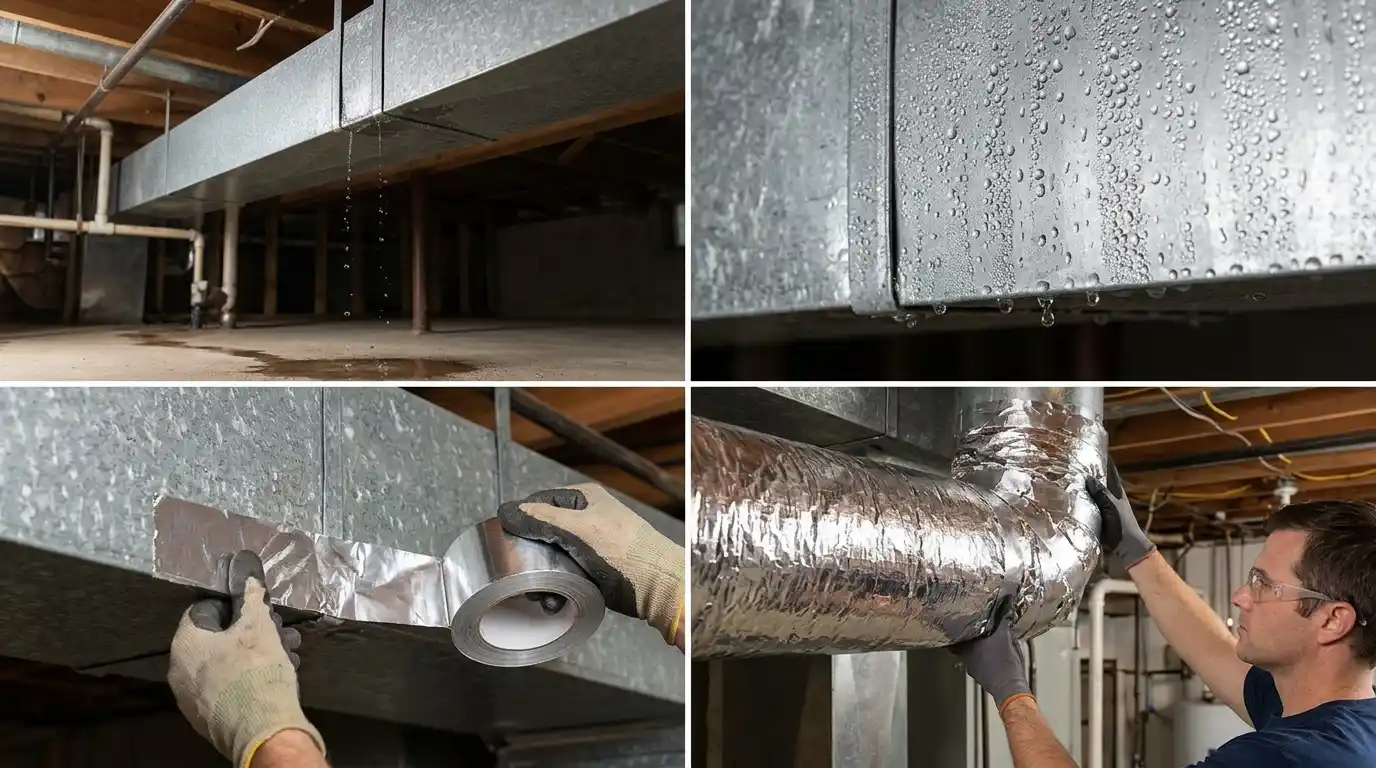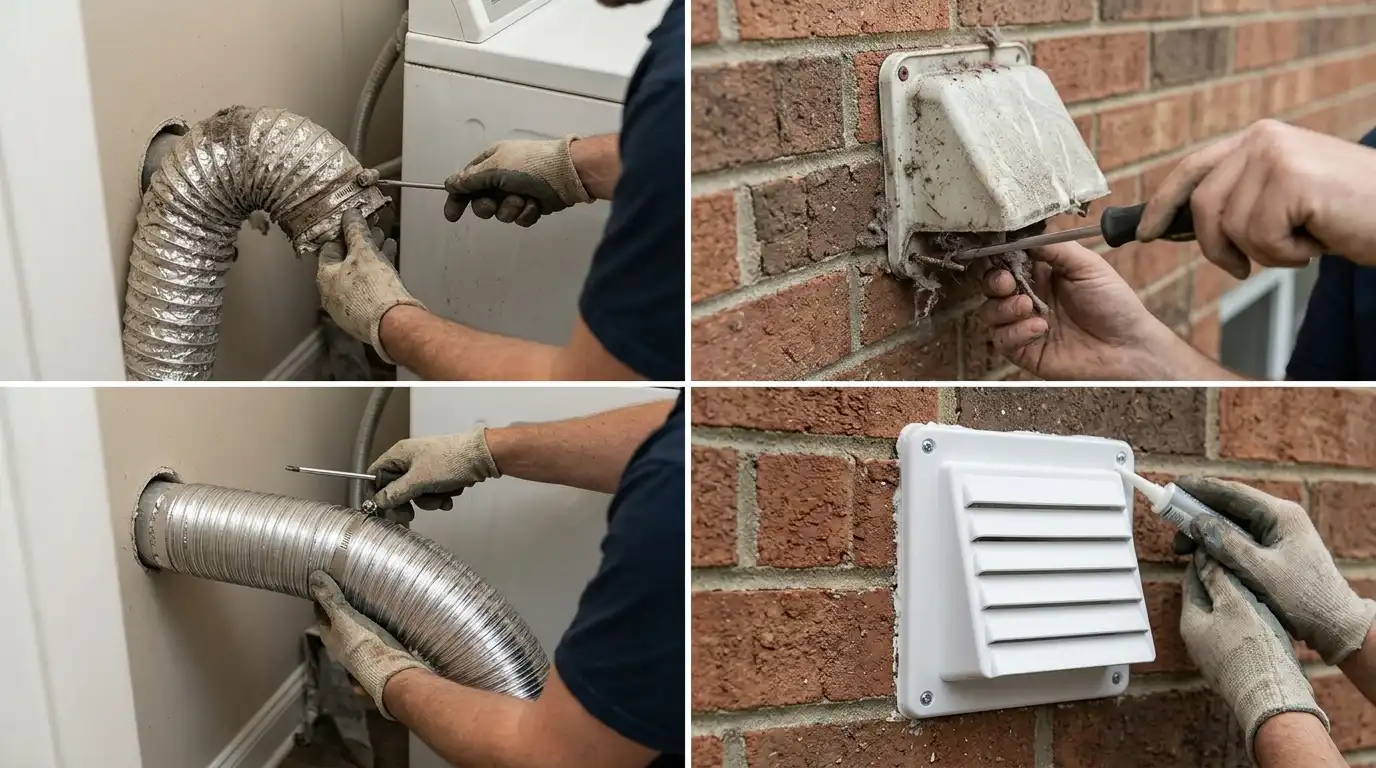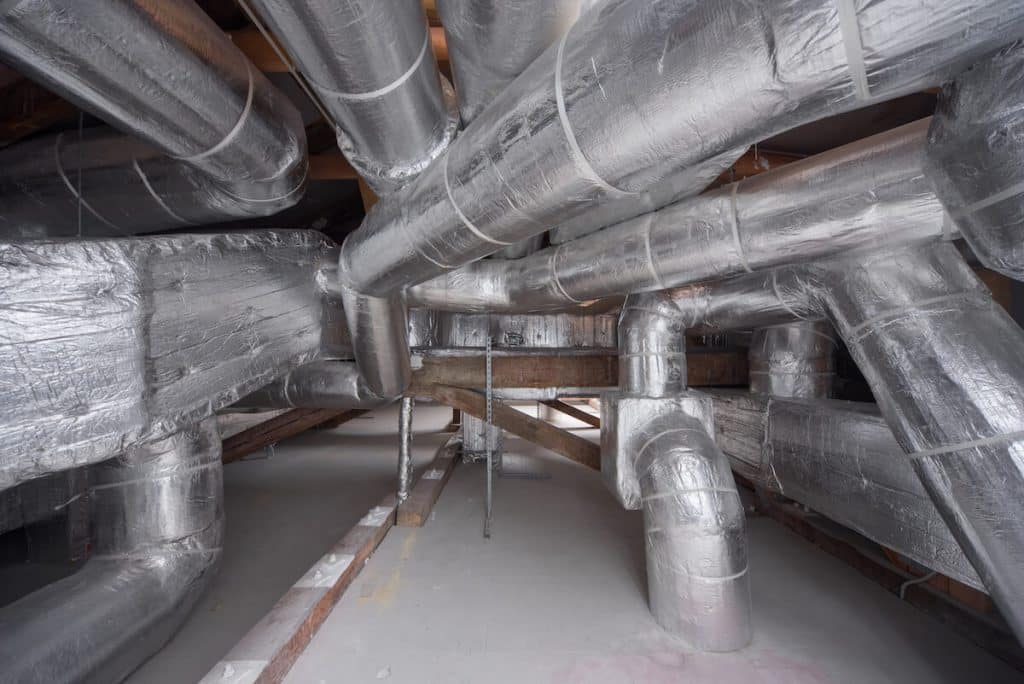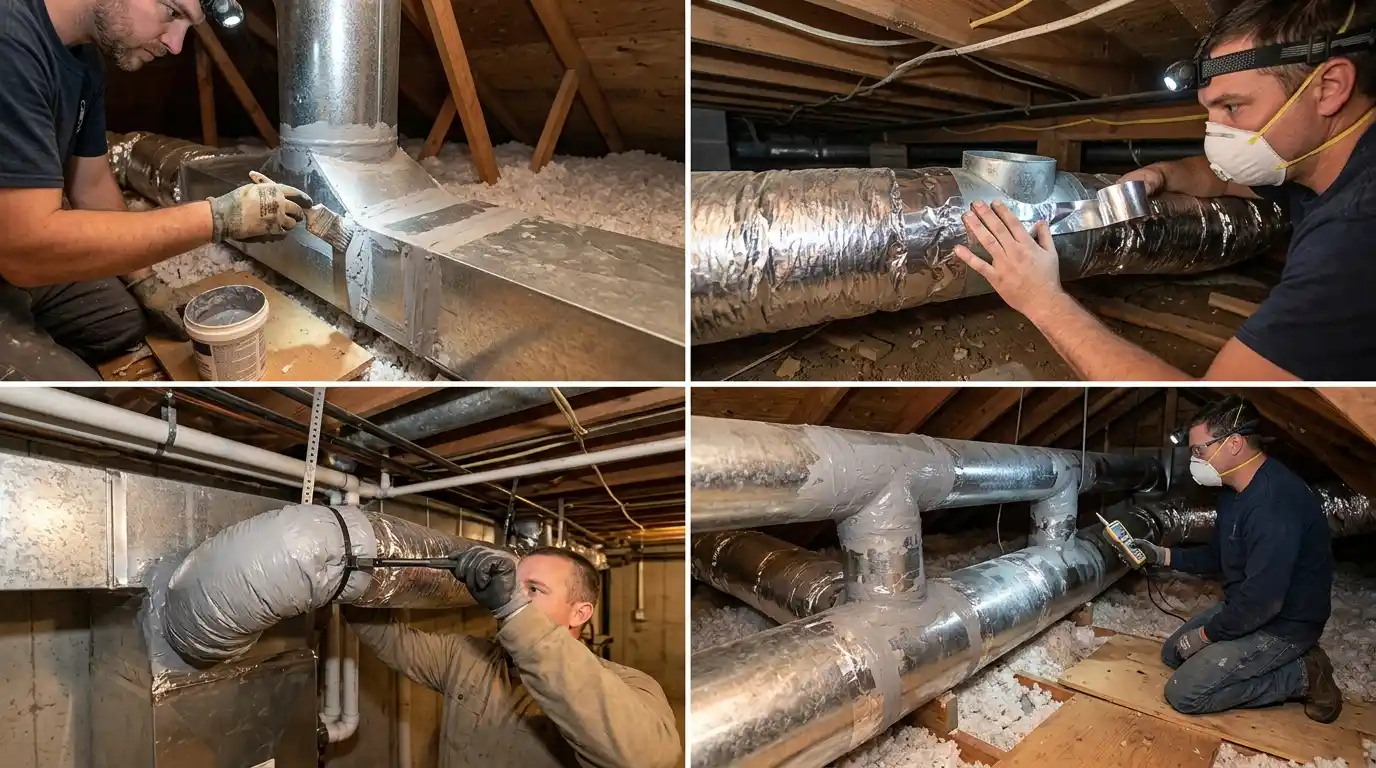
In the typical American home, 20% to 30% of the air moving through HVAC ductwork escapes through leaks, loose joints, and holes before reaching the intended rooms. These losses can leave bedrooms, upstairs spaces, and other areas struggling to maintain comfortable temperatures, even when the heating or cooling system is running. Much of the problem often lies out of sight in basements, attics, crawl spaces, and behind walls.
Air duct sealing closes these openings to keep conditioned air inside the distribution system and deliver it where it is needed. Professional HVAC contractors inspect the ductwork, locate problem areas, and apply suitable materials such as mastic, metal-backed tape, or aerosol sealants. The method depends on the duct material, accessibility, and extent of leakage.
For homeowners considering air duct sealing in Boston, the cost depends on the home’s size, ductwork condition, and the required sealing technique. The work can also help reduce energy waste, improve indoor comfort, and limit the entry of dust through leaking duct sections. Understanding these costs, benefits, and warning signs can help you decide whether your home’s HVAC system needs professional duct sealing.
What Is Air Duct Sealing?
Duct sealing refers to closing gaps and defects throughout an HVAC air distribution network to maintain an airtight structure. This work addresses several parts of the ductwork, including:
- Duct seams: Lengthwise joints where sheet metal edges meet to form individual duct sections.
- Section connections: Points where separate duct pieces join to create longer supply or return air pathways.
- Supply and return plenums: Large chambers connected directly to HVAC equipment that distribute conditioned air into supply ducts or collect return air.
- Take-offs: Fittings that connect smaller branch ducts to the main trunk line.
- Register boots: Transition fittings that connect branch ducts to floor, wall, or ceiling registers.
- Duct penetrations: Openings around ductwork where it passes through walls, floors, or ceilings.
How Does Professional Air Duct Sealing Work?
HVAC contractors follow a series of steps to assess the system’s condition, measure air leakage, complete the necessary work, and verify the results. The process generally includes:
Initial System Assessment
Technicians examine the HVAC layout, identify accessible duct sections, and assess the overall condition of the distribution system. They also note areas that require closer examination.
Leakage Testing
Contractors use diagnostic equipment, such as a duct blower, to measure how much air escapes from the duct network under controlled pressure. This test establishes the initial leakage level and helps determine the extent of corrective work required.
Surface Preparation
Before applying sealing products, technicians clean affected surfaces and remove loose debris, deteriorated sealant, or other material that could interfere with adhesion. Damaged sections that cannot be properly sealed may require repair or replacement.
Sealing Application
The selected sealing method is applied to the identified leakage points. Depending on the system and the extent of the work, the application may involve manual treatment of accessible areas or specialized equipment to seal internal duct surfaces.
Post-Sealing Verification
Once the work is complete, contractors repeat the duct leakage test and compare the results with the initial measurements. This helps determine how much leakage has been reduced and whether additional corrections are necessary.
How Much Does Air Duct Sealing Cost in Boston?
Across the United States, residential air duct sealing typically costs $1 to $2 per square foot, with total project expenses ranging from $1,000 to $6,000. For air duct sealing in Boston, homeowners can expect to pay approximately $1,200 to $5,000, depending on the sealing method, home size, and ductwork condition.
Air Duct Sealing Cost by Method
The total price depends on the sealing technique, the location of leaks, and the equipment needed to complete the work. The following table compares the main methods and their typical applications:
| Methods | Estimate Cost | How It Works |
| Manual sealing | $400-$1,900 | Technicians apply mastic or metal-backed tape to accessible joints, gaps, and larger openings. |
| Aeroseal | $1,500-$6,900 | Specialized equipment distributes sealant particles through the ductwork to close smaller leaks from the inside. |
Air Duct Sealing Prices by Home Size
National average prices vary with the size of the property because larger homes generally have more extensive duct networks. The following estimates show how residential project costs can change with floor area:
| Home Size | Estimated Total Cost |
| 1,000 square feet | $1,000-$2,000 |
| 1,500 square feet | $1,500-$3,000 |
| 2,000 square feet | $2,000-$4,000 |
| 2,500 square feet | $2,500–$5,000 |
| 3,000 square feet | $3,000-$6,000 |
What Are the Benefits of Air Duct Sealing?
Properly sealed HVAC systems can improve how heating and cooling equipment performs throughout a home. By addressing air distribution problems, this work can support more efficient energy use, healthier indoor conditions, and greater comfort. Homeowners also benefit from reduced safety risks and less strain on their heating and cooling equipment.
Lower Energy Bills
Properly sealed ductwork improves HVAC efficiency by reducing the energy needed to maintain indoor temperatures. Less wasted conditioned air means heating and cooling equipment consumes less electricity or fuel to meet household demands. This reduction in energy use lowers monthly utility bills, particularly during Boston’s cold winters and warm summers.
Consistent Room Comfort
Balanced airflow promotes more uniform temperatures throughout the home. Rooms receive a steadier supply of heated or cooled air, reducing temperature differences between floors and living spaces. This creates a more comfortable indoor environment throughout the year.
Better Indoor Air Quality
Leaking return-side ductwork can draw dust, insulation fibers, and other airborne particles from surrounding spaces into the HVAC system. Sealing these openings limits the entry of unwanted contaminants into the circulating air, helping improve indoor air quality by reducing the amount of airborne debris distributed throughout occupied rooms.
Reduced Risk of Combustion Gas Backdrafting
Homes with gas furnaces, water heaters, or other fuel-burning appliances need proper airflow to carry exhaust gases safely outside. Pressure changes caused by leaking ductwork can interfere with this process and increase the risk of combustion gases flowing back into the home. Properly sealed ductwork reduces this pressure imbalance, lowering the chance of backdrafting under certain conditions. Regular appliance inspections and carbon monoxide detectors are still important for household safety.
Less Wear and Tear on HVAC Equipment
Reduced air loss means heating and cooling equipment does not have to work as hard or run as long to maintain the desired indoor temperature. This lowers the workload on components such as blower motors, fans, and compressors. Less operating strain reduces mechanical wear and extends the service life of the HVAC system.
How Do You Know If Your Home Needs Air Duct Sealing?
Leaky ductwork does not always show visible damage. Sometimes, the first clues appear in how your heating and cooling system performs or how comfortable different rooms feel. Several changes around your home may point to gaps, loose joints, or other problems in the ductwork, including:
- Uneven Room Temperatures: Some rooms remain noticeably warmer or colder than others, even when the thermostat is set to a comfortable temperature.
- Rising Energy Bills: Monthly heating and cooling expenses increase without a corresponding change in thermostat settings or household energy use.
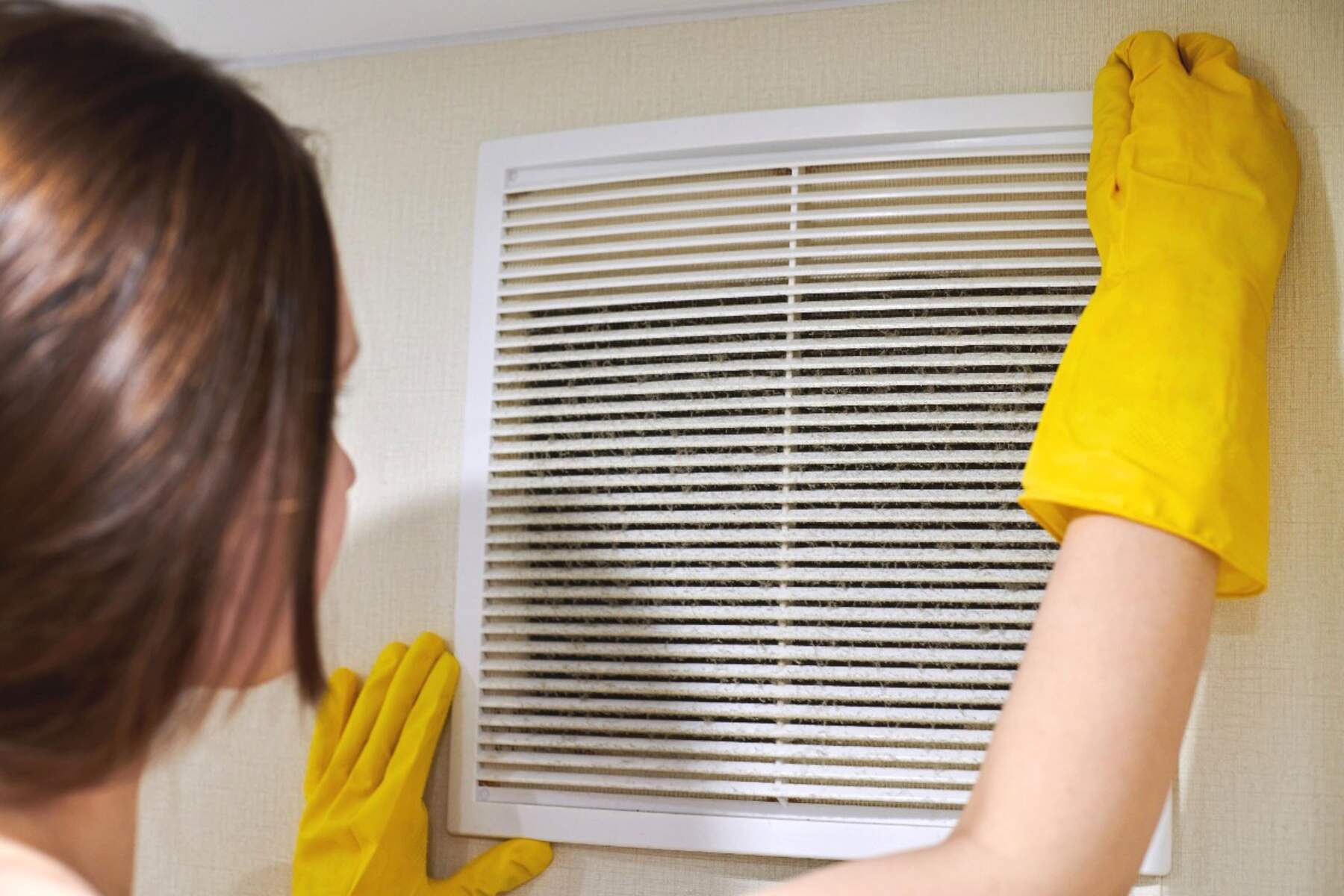
- Dusty Vents: Dust, dirt, or insulation particles collect around supply and return vents more frequently than usual.
- Longer HVAC Cycles: Heating or cooling equipment runs for extended periods before reaching the thermostat’s set temperature.
- Weak Airflow: Certain supply registers produce noticeably less air than others, even when the HVAC system is operating normally.
- Unusual Noises: Whistling, rattling, or hissing sounds come from exposed duct sections as air moves through the system.
- Musty or Unusual Odors: Air coming from certain vents carries persistent dusty or musty smells, which may indicate that contaminants are entering through gaps in the return ductwork.
Should You Seal Air Ducts Yourself or Hire a Professional?
Your choice depends on where the leaks are located, how extensive the damage is, and whether you can reach the affected sections safely. Homeowners can handle minor sealing work on exposed duct joints, but leaks in concealed areas or problems involving damaged duct sections require professional attention. The table below compares both options.
| Decision Factor | DIY Sealing | Professional Duct Sealing |
| Best Suited For | Small leaks in exposed, accessible duct sections | Extensive leaks, concealed ductwork, and damaged sections |
| Tools and Materials | Mastic sealant, UL 181-approved metal-backed tape, brushes, and gloves | Professional sealing materials, duct testing equipment, and specialized application tools |
| Work Scope | Limited to areas you can safely reach | Covers hard-to-reach parts of the duct system |
| Leak Detection | Visual inspection and basic checks around exposed joints | Diagnostic testing to locate and measure leakage throughout the system |
| Result Verification | No precise measurement of leakage reduction | Follow-up testing to assess the effectiveness of the work |
| Safety Considerations | Risks exposure to fiberglass insulation dust, sharp metal edges, or mold spores | Trained technicians handle difficult access areas and assess related HVAC safety concerns |
The Verdict: When to Call a Pro
If most of your home’s ductwork runs behind walls, above ceilings, or through other hard-to-reach spaces, professional service is the better option. The same applies when leaks affect multiple sections or damaged ducts need more than basic sealing. HVAC contractors can locate hidden problem areas, carry out the necessary repairs, and test the system afterward to confirm the work has reduced air leakage. Their expertise also matters when pressure imbalances could affect the safe operation of fuel-burning appliances.
Frequently Asked Questions
Is air duct sealing the same as air duct cleaning?
No. Cleaning removes accumulated dust and debris from inside the ductwork, while sealing closes gaps and openings that allow air to escape. These services address different problems.
Do ducts need to be cleaned before they are sealed?
Duct cleaning is not always necessary before sealing. However, technicians should inspect the duct interiors and remove accumulated dust, debris, or loose material from areas where sealant will be applied to ensure proper adhesion.
Can flexible ducts be sealed?
Yes. Flexible ducts can be sealed at their joints and connections using materials approved for HVAC applications. Torn, crushed, or badly damaged sections may need repair or replacement rather than sealant alone.
Can old metal ductwork still be sealed?
Yes, provided the metal sections remain structurally sound. Loose joints, small holes, and separated seams can often be repaired, while badly corroded or deteriorated sections may require replacement.
Does aerosol sealant coat the entire inside of the ductwork?
No. In the Aeroseal process, sealant particles travel through the duct system and collect at leakage points. The process is designed to seal openings rather than create a coating across the entire interior surface.
Does regular duct tape work for sealing HVAC ducts?
No. Ordinary cloth-backed duct tape often loses its adhesive strength over time. Use mastic or metal-backed tape specifically approved for HVAC duct applications.
Schedule Professional Air Duct Sealing with Delta Clean Air
Properly sealed ductwork reduces energy waste, improves indoor air quality, and creates more consistent temperatures throughout your home. Understanding the costs, benefits, and warning signs makes it easier to decide when your HVAC system needs professional attention.
At Delta Clean Air, we focus on identifying ductwork problems and recommending solutions suited to each home’s needs. Our approach centers on careful inspections, appropriate sealing methods, and attention to the condition of your existing HVAC system. Contact us today to schedule professional air duct sealing in Boston and improve your home’s HVAC performance.