If you wake up with a stuffy nose, a tight chest, or itchy eyes that settle down once you step outside, the cause might be hiding behind your walls. The ductwork that carries warm and cool air through your home also holds dust, mold, and pollen that drift out every time the system kicks on. For families looking for air duct cleaning in Boston, the aim is simple: fewer triggers in the air and easier breathing for anyone with asthma or allergies.
How Indoor Air Quality Impacts Children’s Health
Most people think of air pollution as something outside, near traffic or factories. The truth runs the other way. Americans spend about 90 percent of their time indoors, where the levels of some pollutants run 2 to 5 times higher than outdoor air. So the place you go to feel safe can carry more of the particles that set off a cough or a wheeze.
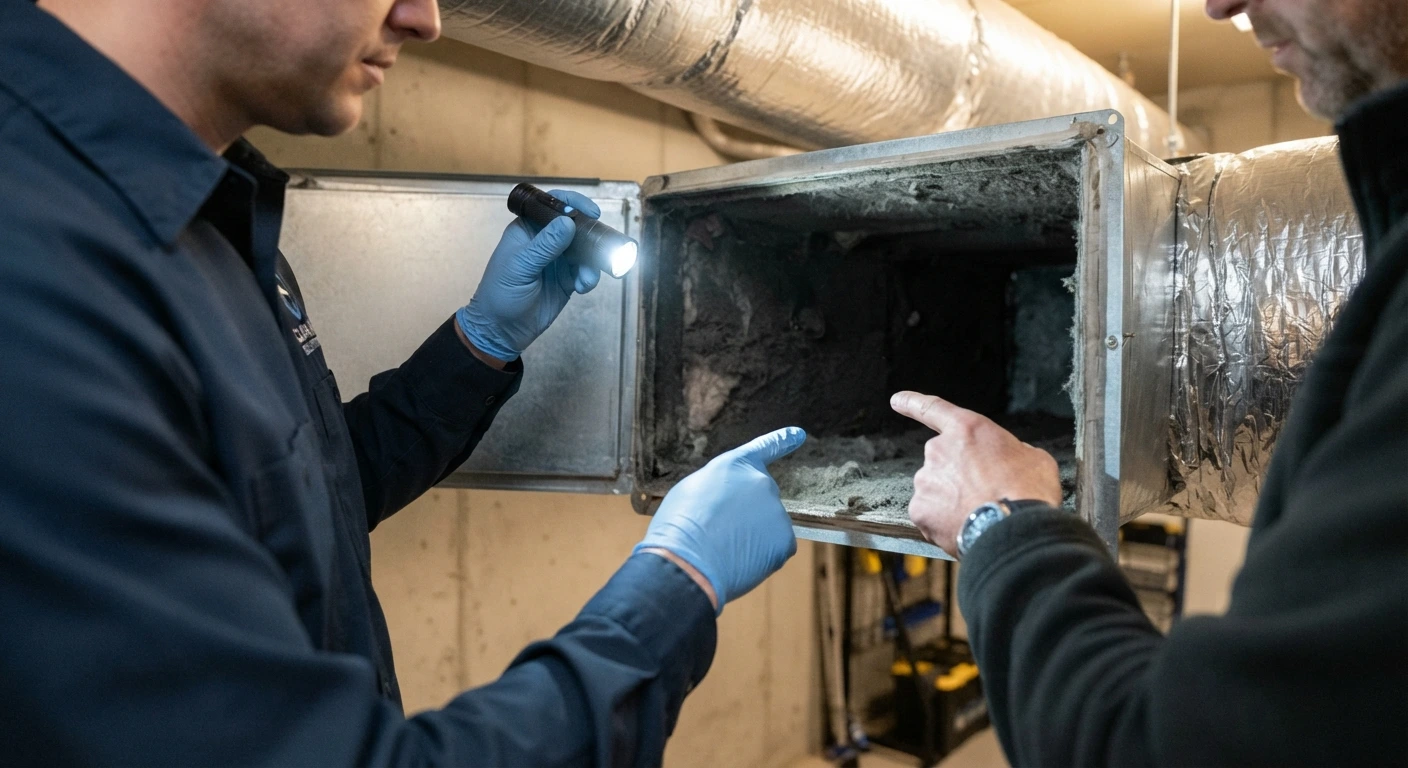
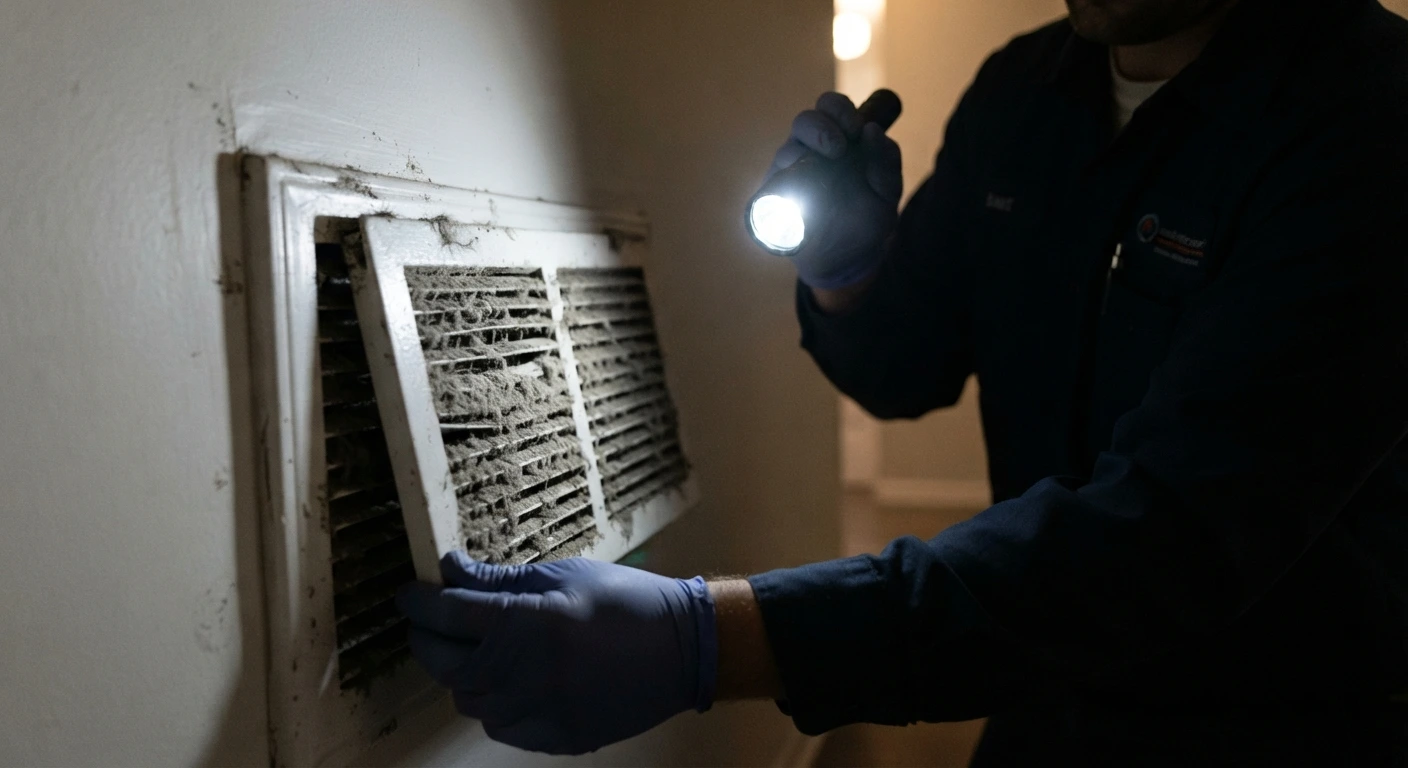
Your heating and cooling system pulls air from every room, runs it through the ducts, and pushes it back out. When those ducts hold a layer of dust and debris, the system spreads those particles across the whole home with each cycle. Dust mites, mold, pet dander, cockroach allergens, and fine particulate matter are all known asthma triggers that can bring on an attack after exposure. For a child with asthma, this matters even more. Nearly 1 in 13 school-age children has asthma, and it remains the top cause of missed school days from a chronic illness.
Common Allergens and Pollutants in HVAC Systems
Ducts make a quiet, dark, and still home for the things that bother sensitive lungs. Over months and years, the buildup grows without anyone noticing. The common culprits include:
- Dust mites and their waste, which collect in the fine dust that lines duct walls.
- Mold spores, which grow when moisture from a humid Boston summer or a leaky system meets the dust inside.
- Pet dander, the tiny skin flakes that float from your cat or dog and settle deep in the vents.
- Pollen, which rides in on shoes, clothing, and open windows during spring and fall, then circulates all year again.
Each time the blower runs, a portion of this mix gets stirred up and sent into the rooms where your family sleeps and plays. So the air can look clean while carrying the very particles that make eyes water and chests tighten.
How Winter Affects Indoor Allergies
Winter in Boston is long, and that changes how your home breathes. Once the heat comes on, windows stay shut for months, and fresh air rarely gets in. The same air keeps moving through the same dusty ducts, around and around, with nowhere to escape. So the allergens build up in a sealed loop right when your family spends the most time indoors.
This is also the season when respiratory symptoms climb. Cold air, dry heat, and trapped allergens work together to irritate airways that already struggle. People with asthma experience more frequent flare-ups, and allergy sufferers notice a runny nose and congestion that linger for weeks. A clean duct system gives that trapped air far fewer triggers to carry, which makes the closed-up months easier on the lungs.
Portable Air Purifiers vs Duct Cleaning: What Works Best for Asthma and Allergies?
Many families ask whether a portable air purifier can do the job on its own, and the honest answer is that the two tools solve different parts of the problem. A purifier cleans the air in one room as that air passes through its filter. It works on what is floating in the space right now. So it helps with the air around you, but it never touches what hides inside the ductwork.
A duct cleaning works at the source. It removes the dust, mold, and dander that have built up across the whole system, so the air gets cleaner before the blower ever pushes it into your rooms. One handles a single room after the fact, and the other treats the path that feeds every room in the house.
For asthma and allergy sufferers, the strongest results come from using both together rather than choosing one. A clean duct system lowers the allergen load across the home, and a purifier handles the smaller amount that lingers in a bedroom or a nursery. Air duct cleaning clears the buildup at the root, and a purifier adds a second line of defense in the spots where sensitive lungs rest the most. Leaning on a purifier alone leaves the dirty ducts spreading triggers behind the scenes, which is the part most people miss.
Can Air Duct Cleaning Reduce Asthma and Allergy Symptoms?
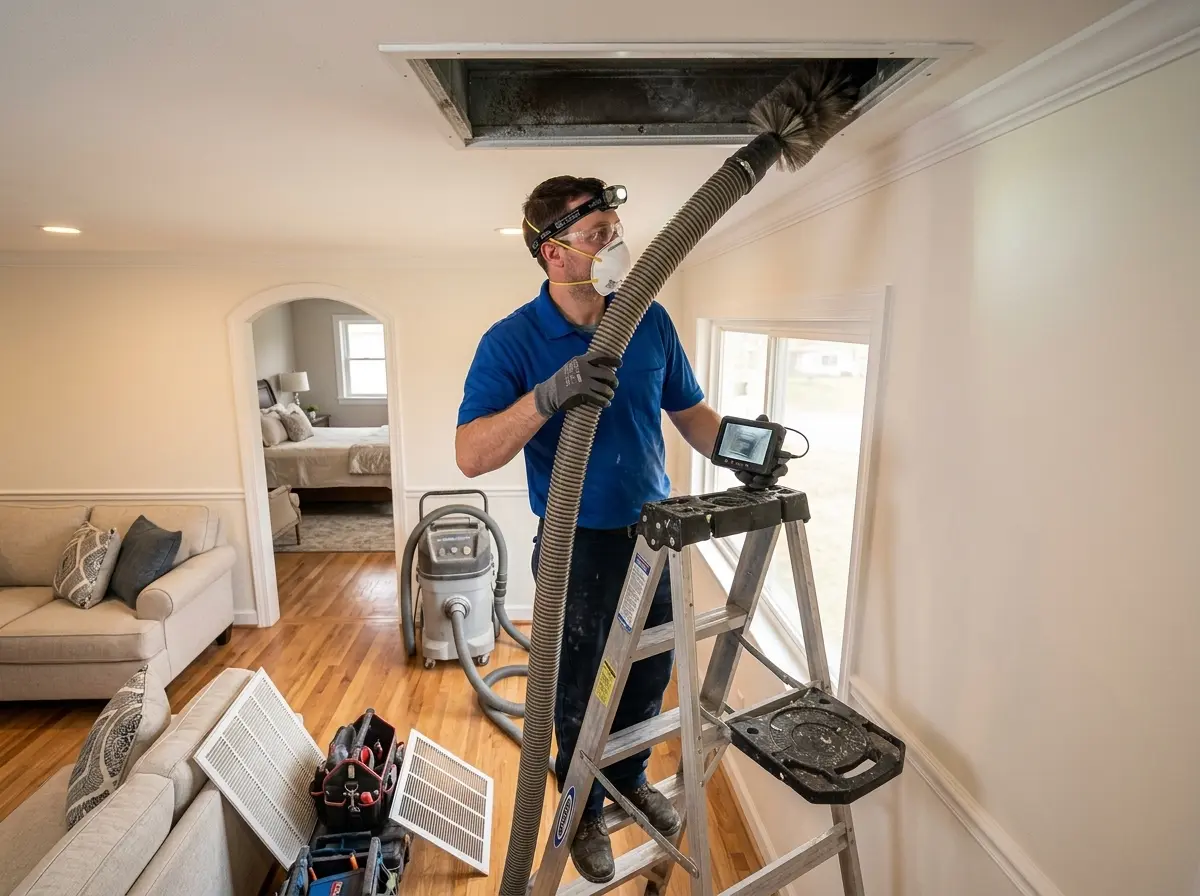
This is the question most families ask, and the answer is grounded in how the system works. When trained technicians clean a duct system, they pull out the settled dust, the mold growth, the dander, and the pollen that have collected over time. With that source removed, the blower has far less to push back into your living space. So the air that reaches your bedrooms carries a lighter load of the particles that start a reaction.
A good cleaning reaches more than the visible vents. It covers the supply and return lines, the coils, and the blower, since allergens collect across the whole path the air travels. Pairing the work with disinfecting air ducts goes a step further by treating the mold and bacteria that a vacuum alone leaves behind. The result is a system that spreads cleaner air instead of recycling old triggers.
It helps to be honest about what cleaning can and cannot do. A clean duct system lowers the allergen load in your home, but it works best as part of a wider plan that includes good filters, humidity control, and regular care. The EPA offers a full guide on managing indoor triggers through its asthma triggers resource, and clean ducts support that effort rather than replacing it.
How to Spot Duct Problems Early
Your home gives clues when the ductwork has become a problem. Watch for these signs, especially if someone in the house has asthma or allergies:
- Dust settles on furniture again within a day or two of cleaning.
- You see dust puffing from the vents when the system turns on.
- Symptoms ease when you leave the house and return once you are back home.
- A musty smell follows the air when the heat or cooling runs.
- Different rooms feel dustier than others, with uneven airflow.
- The system has not had a cleaning in several years, or never.
Noticing a few of these does not promise a duct issue, but it points to a strong reason to take a closer look.
Do UV Lights and Better Filters Reduce Allergens in My Ducts?
A cleaning resets the system, and a few additions help keep it that way for longer. These work well for homes where allergies and asthma are a daily concern.
UV Light Installation
Mold and bacteria return when moisture lingers near the coils. A UV light installation places a steady light inside the system that limits the growth before it spreads back into the ducts. For families fighting mold-related symptoms, this adds a layer of protection between cleanings.
Better Filters and Simple Habits
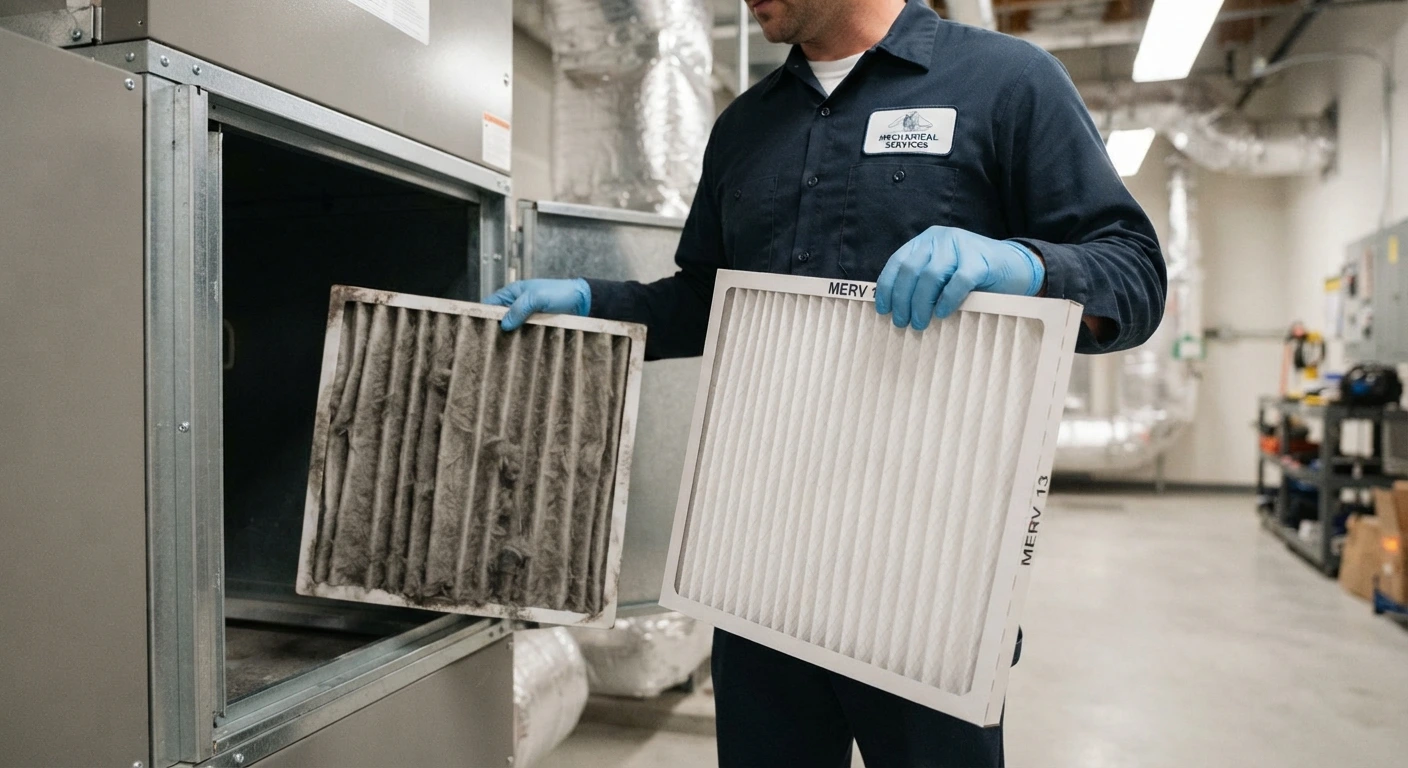
A higher-grade filter traps more of the fine particles before they enter the ducts. Changing it on schedule keeps the airflow strong and the trapping power high. Vacuuming with a HEPA filter, keeping humidity in check, and wiping down vents all reduce the dust that feeds the system. These small habits stretch the benefit of a professional cleaning across many more months.
How Frequently Should HVAC Ducts Be Serviced for Clean Air?
For a typical home, a duct cleaning every three to five years keeps the system in good shape. Homes with asthma or allergy sufferers sit at the shorter end of that range, since the goal is to hold the allergen load as low as possible. A few situations call for cleaning sooner, such as after a renovation that kicks up debris, after water damage or visible mold, or when you move into an older home with an unknown history.
A house with shedding animals collects dander faster, so those ducts benefit from more frequent attention. The right schedule comes down to who lives in the home and how sensitive their lungs are, and a quick assessment can point you to the timing that fits your family.
Want to Reduce Allergens and Asthma Triggers in Your Home?
The hardest part of asthma and allergies is how quietly they wear a family down. A child who sleeps poorly, a partner who reaches for the inhaler more often, mornings that start with a cough and a stuffy nose: these become the normal you stop questioning. Yet the air pushing through your vents may be feeding all of it, day after day, while you blame the season or the pollen count. Waiting only lets the buildup grow, and the symptoms settle in deeper.
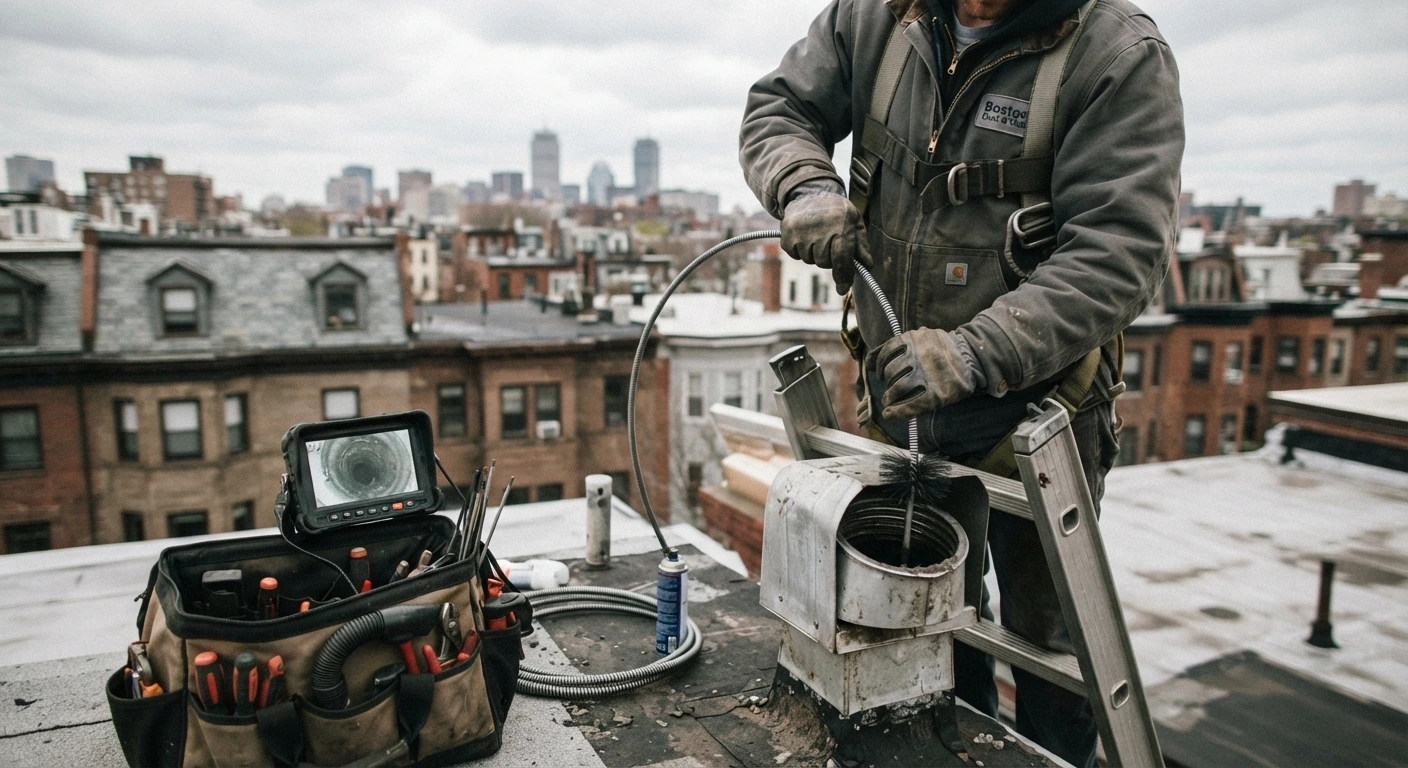
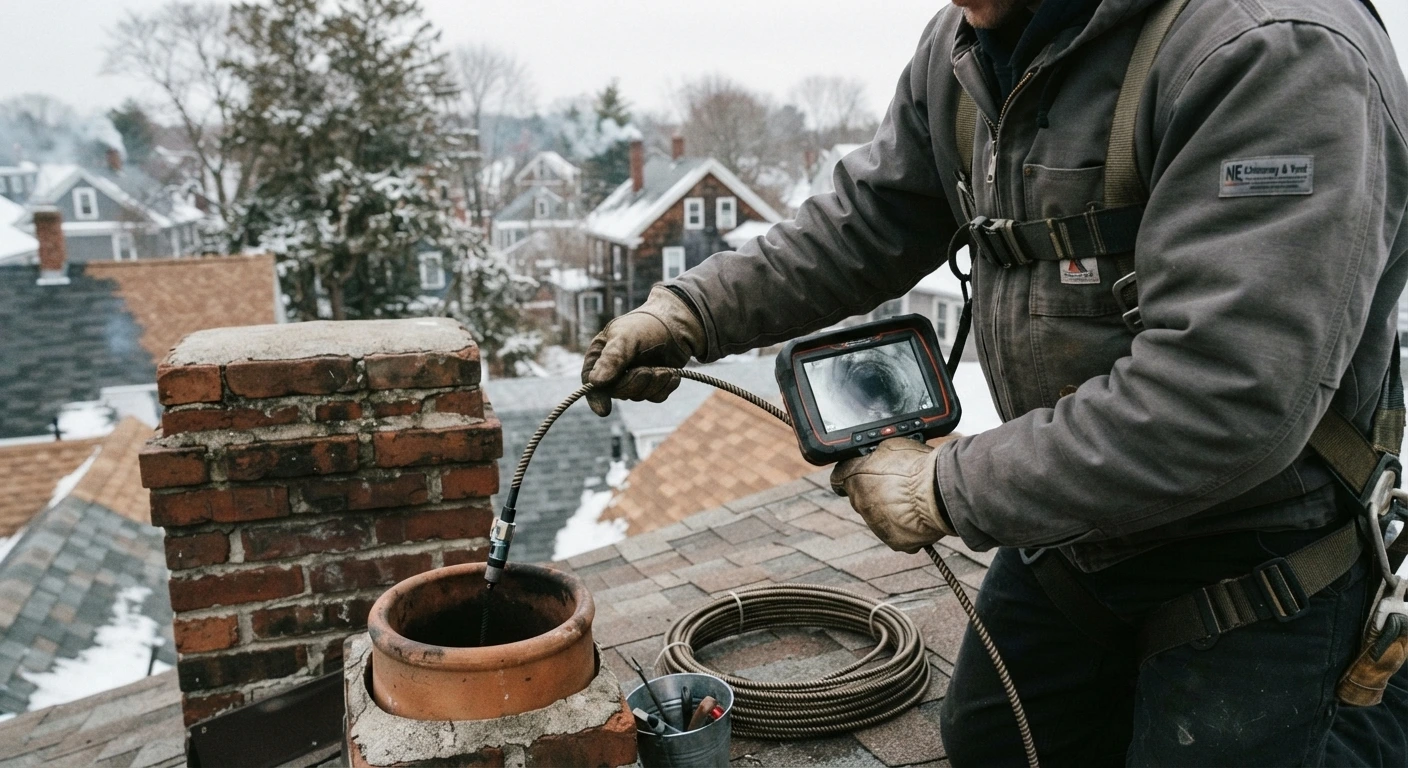
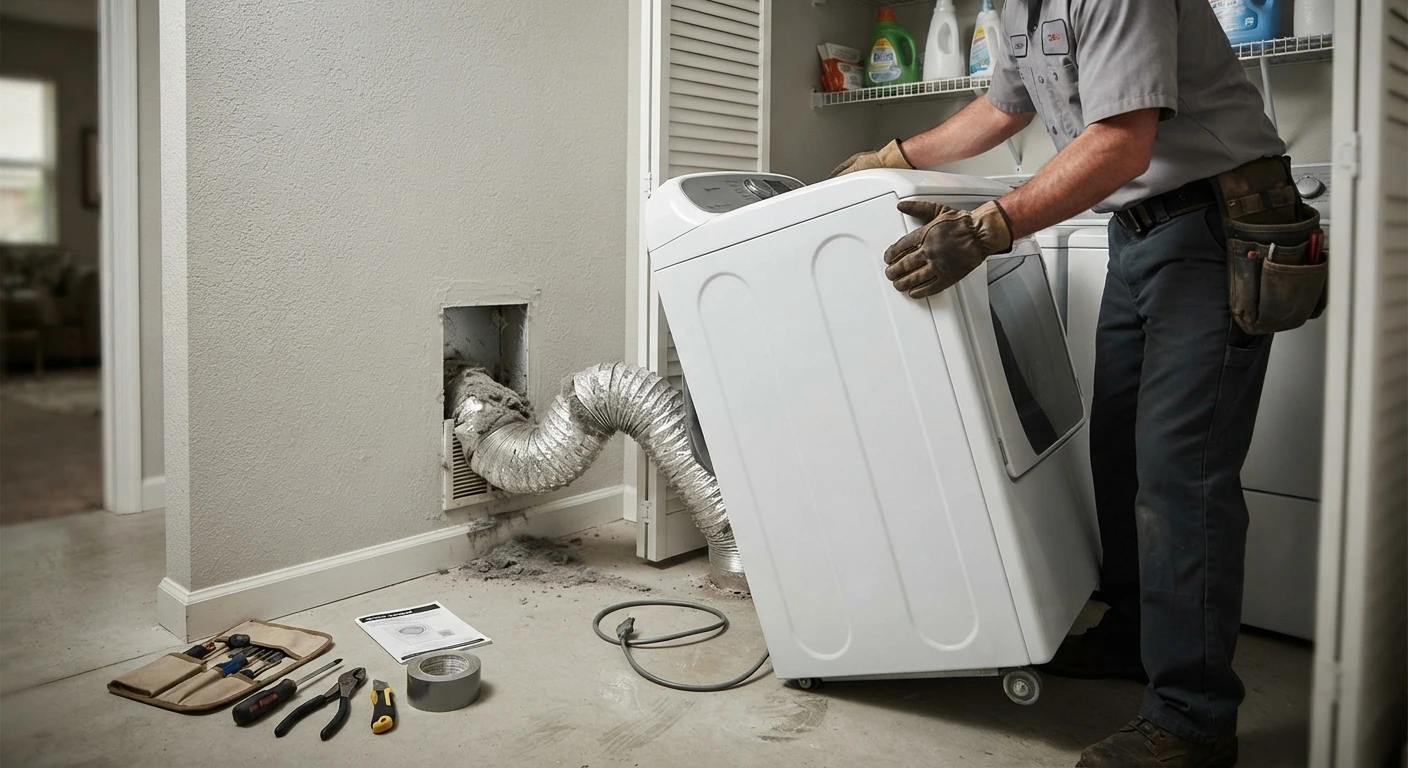
We are Delta Clean Air, a certified team serving Boston and the wider Massachusetts area with residential and commercial duct, dryer vent, and chimney services, using eco-friendly and non-toxic cleaning agents that are safe around children and pets. If the people you love are struggling to breathe at home, reach out to us and let us clear out the triggers hiding in your ducts so your family can breathe better in the place that should feel safest.