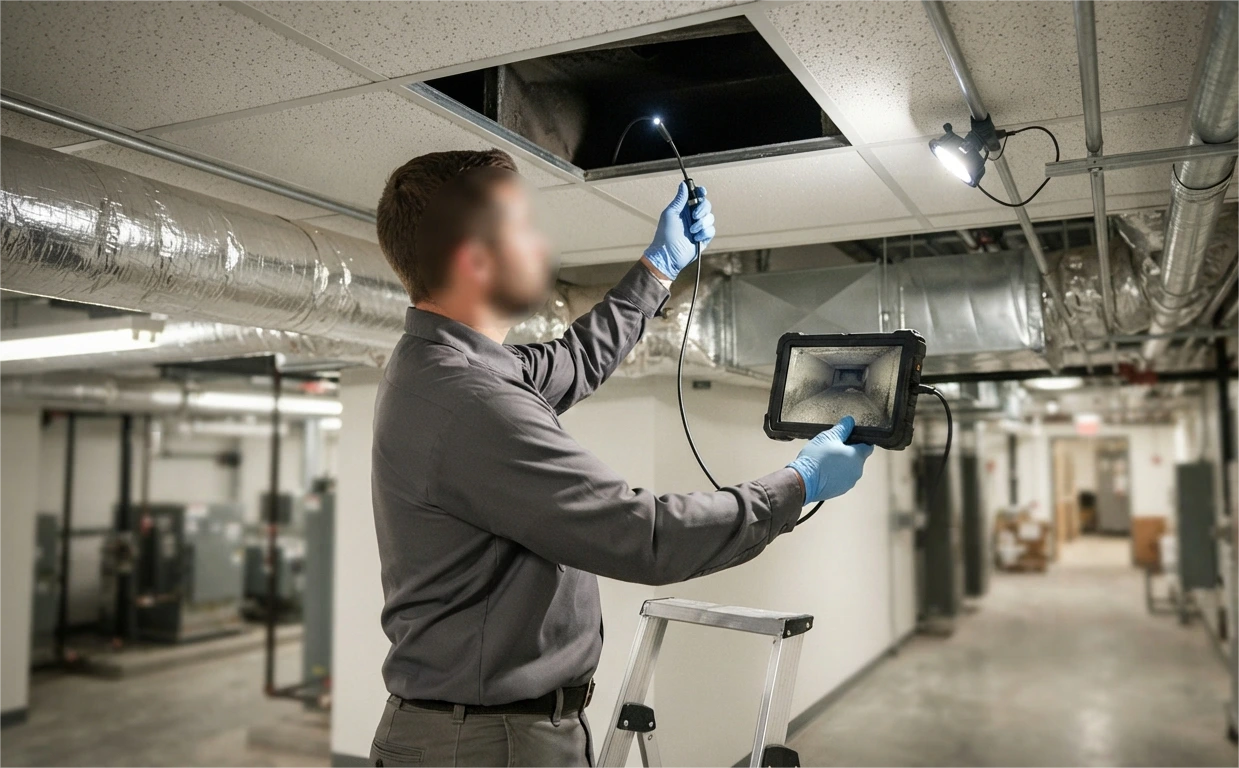
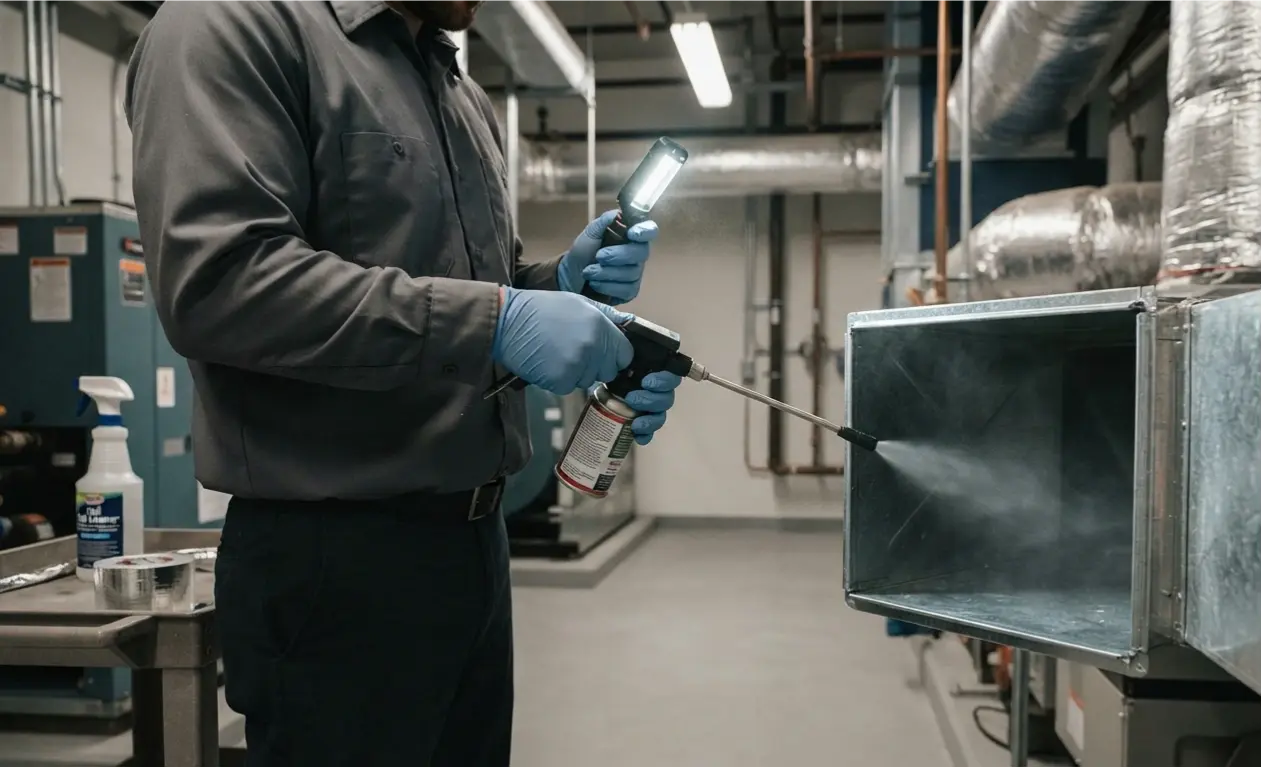
Your building’s air moves through the same ductwork again and again, and a good cleaning pulls out the dust you can see. Sanitizing deals with what you cannot see: the mold spores and bacteria clinging to the metal. So should your AC ducts be sanitized? The honest answer is that it depends on what has been growing inside them.
Cleaning and Sanitizing Your AC Ducts Are Two Different Jobs
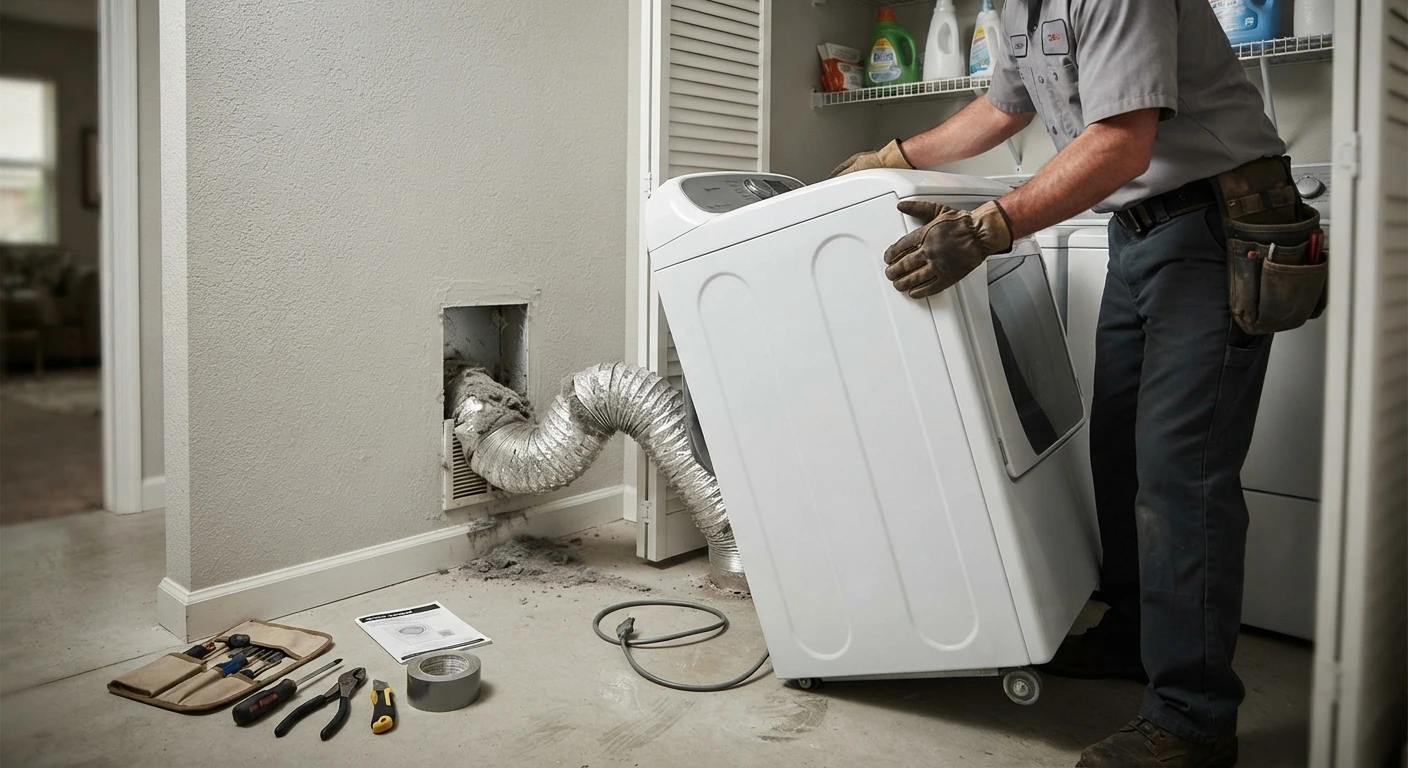
People often treat these as the same service, but they solve different problems. A standard air duct cleaning uses brushes, air tools, and strong vacuums to strip dust, debris, and buildup off the duct walls. Sanitizing is a separate step that comes afterward, where a treatment goes onto the cleaned surfaces to kill bacteria, mold, and other microbes that a vacuum alone leaves behind.
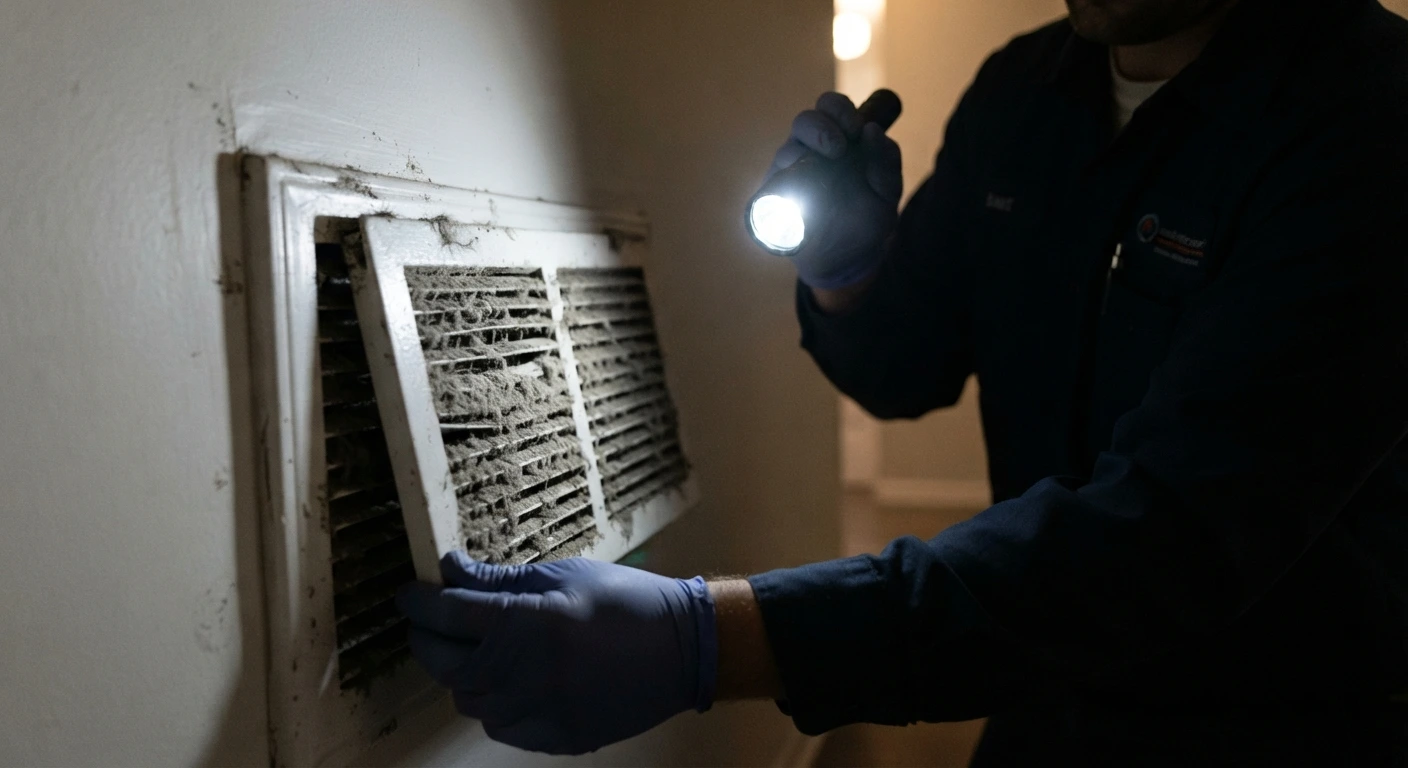
Cleaning handles the dirt you can see inside your AC ducts. Sanitizing handles the growth you cannot. One removes the material, the other treats the surface. This is why sanitizing is never a replacement for cleaning, and why a company that offers to fog a chemical into dirty ducts is skipping the part that matters most.
When Sanitizing Your AC Ducts Makes Sense
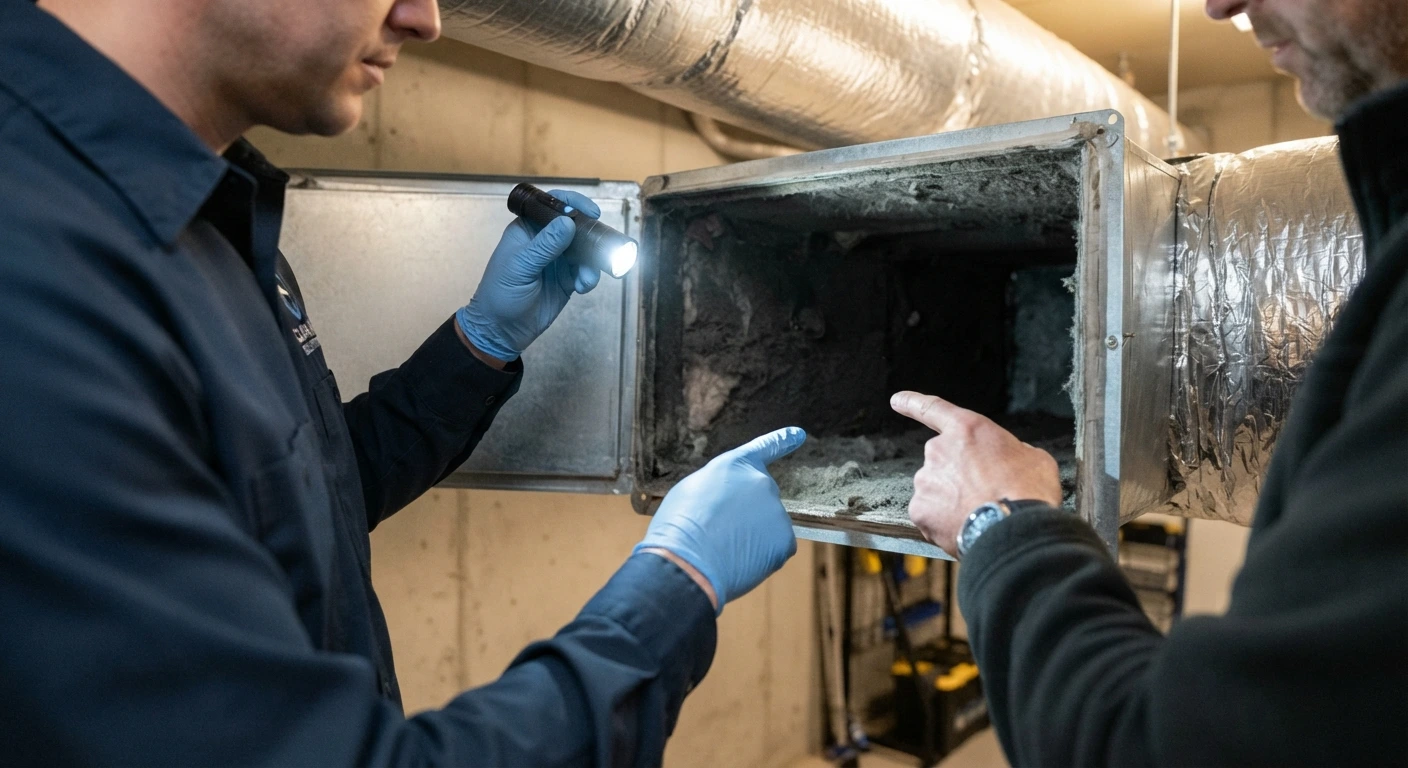
Sanitizing earns its place in specific conditions, not on every job. For most buildings, the treatment is worth adding when there is a biological reason behind it. You will want it considered in cases like these:
- Visible mold on the metal, or a musty smell that stays even after a full cleaning
- Water damage, a past leak, or condensation history somewhere in the system
- Pest droppings or nesting material found during the inspection
- A recent illness that spread through a shared workplace
- Food service, healthcare, gyms, and other spaces where hygiene rules stay strict
- Buildings where allergy or asthma complaints from occupants keep coming back
In a shared commercial space, these situations carry more weight, since one contaminated system pushes the same air to many people at once. A disinfecting air duct treatment on clean surfaces is a fair call when any of the above show up in your AC ducts.
When Your AC Ducts Do Not Need Sanitizing
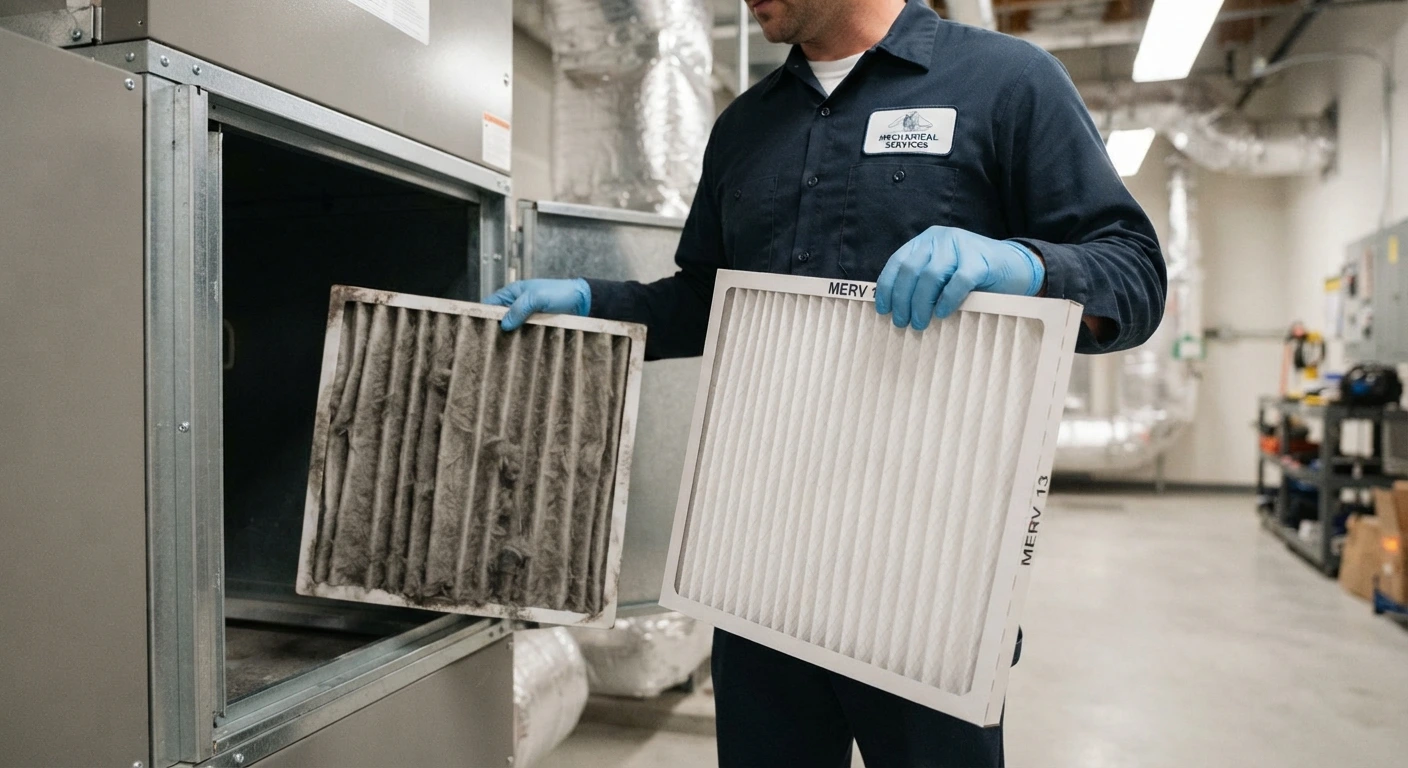
There is a flip side worth being honest about. When your ducts are clean, your filters get changed on time, and there is no mold, no odor, and no moisture problem, a plain cleaning is often enough on its own. Adding a chemical treatment to a system with no microbial issue spends money on a step your AC ducts do not need that day.
A trained technician should inspect first and tell you the truth, even when the truth is that sanitizing can wait. That kind of straight answer is the mark of a company you can trust with the rest of the work.
Clean First, Sanitize After: The Order That Cannot Be Skipped
The sequence here is not a preference; it is the standard. The EPA is clear that any chemical biocide should go on only after the system is cleaned of all visible dust and debris. Spraying a treatment over a dusty surface coats the grime instead of the metal, so the microbes stay protected underneath.
One more rule sits above the treatment itself. The source of the problem has to be fixed first. When moisture feeds the mold, that leak or damp spot must be found and controlled, or the growth returns within weeks. Water-damaged areas need drying within 24 to 48 hours to stop mold from taking hold at all. Skip that, and sanitizing your AC ducts becomes a short-term patch on a problem that keeps coming back.
The treatment itself is straightforward when done right. A technician fogs or sprays an approved solution through the ductwork while the system runs under negative pressure, so the mist reaches every corner. A proper product dries fast and leaves no sticky film or heavy smell.
What Products Are Safe to Put Inside AC Ducts
This is where many building owners get misled, so it pays to know the facts. Only antimicrobial products registered with the United States EPA belong inside your AC ducts, and they must be used the exact way the label directs. Using a product off-label is against federal law, and some label steps, like rinsing with water, can feed mold rather than stop it.
A few points make the picture clear:
- Only a small number of products are registered for the inside of bare sheet metal ducts, so the material of your system matters.
- Fiberglass-lined and other porous ducts have no EPA-registered biocide for treating mold, and the NADCA guidance alongside the EPA points to replacing wet or moldy fiberglass sections instead of spraying them.
- Ozone treatments get pitched sometimes, but ozone is a lung irritant, and its use in ducts remains under real debate, so a careful provider avoids it.
- Non-toxic, EPA-compliant agents keep the treatment safe for the people and pets in the building.
- For longer-term microbial control between services, some properties also add a UV light installation near the coil, where the light helps limit mold and bacteria growth over time.
Why Commercial Buildings Gain the Most From Duct Sanitizing
For a business, sanitizing shifts from a nice extra to a smart move much faster than it does in a home. One HVAC system serves many rooms, so whatever grows in the ductwork reaches staff, customers, patients, or diners all at once. In food service and healthcare, hygiene codes leave little room to gamble on air that carries mold or bacteria.
The fallout of ignoring it stacks up. Musty smells drive away customers and sink reviews. Poor indoor air is tied to more sick days and weaker focus among workers. A clean and sanitized system, done in the right order with the right products, protects both the health of the people inside and the name of the business. That is a return you can measure in your AC ducts, not just feel.
Stop Letting Hidden Mold Ride Your Air All Day Long
Every time your system switches on, it can carry whatever is growing inside your AC ducts straight into the rooms where people work and gather, and mold never announces itself before the coughing and the smells begin. At Delta Clean Air, we inspect the system first, clean it fully, then advise on sanitizing only when the ducts truly call for it, using non-toxic and EPA-compliant agents for both commercial and residential properties across Boston. Want to know whether your ducts need sanitizing or just a solid cleaning? Contact us today and let us check what your air has been carrying before it costs you more.