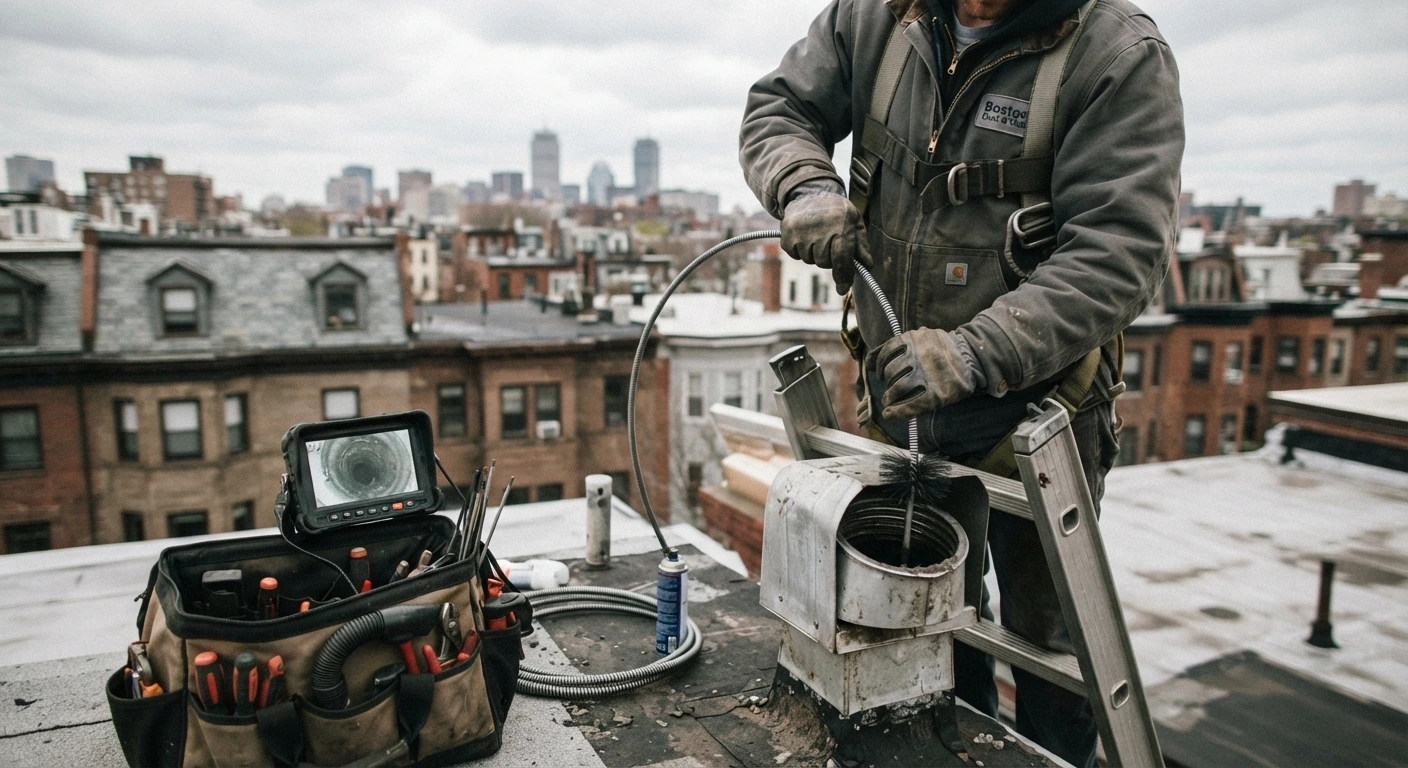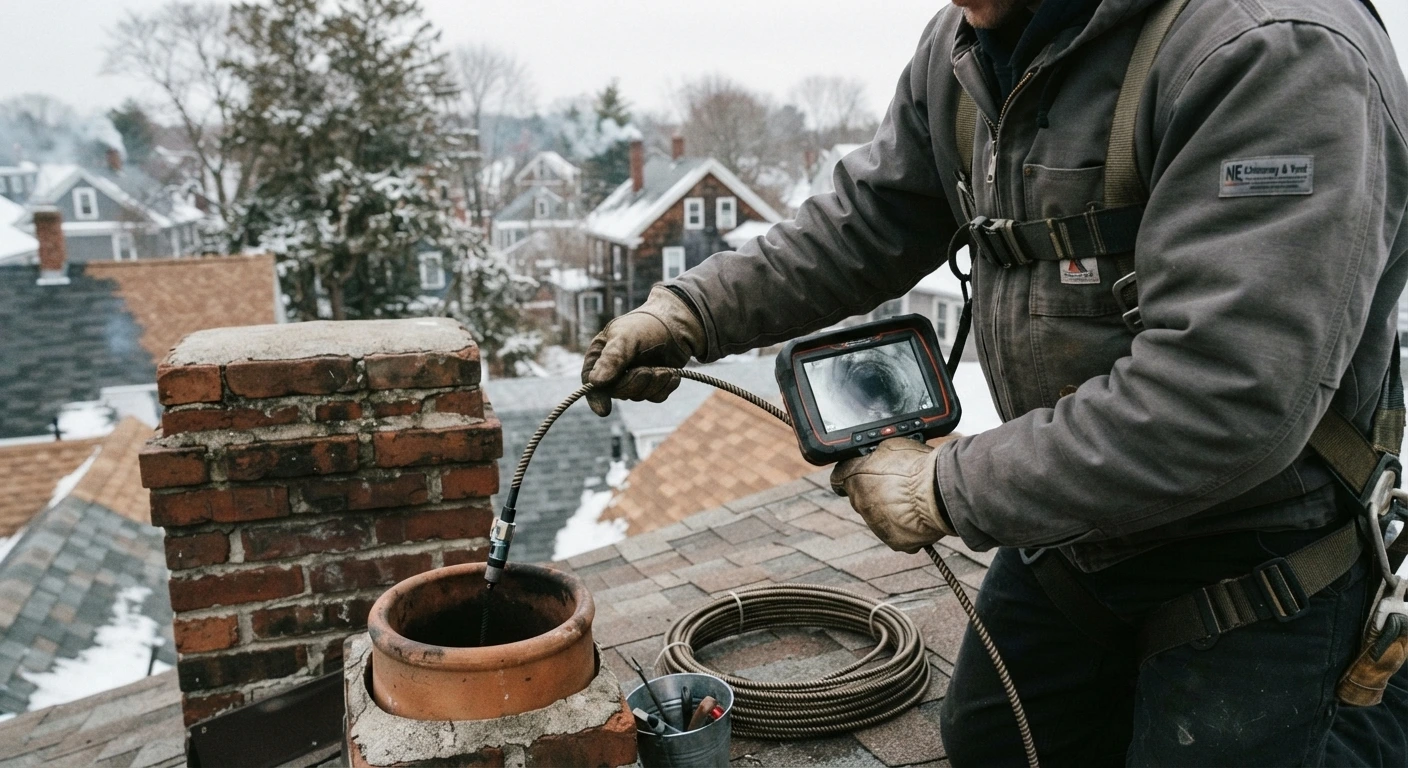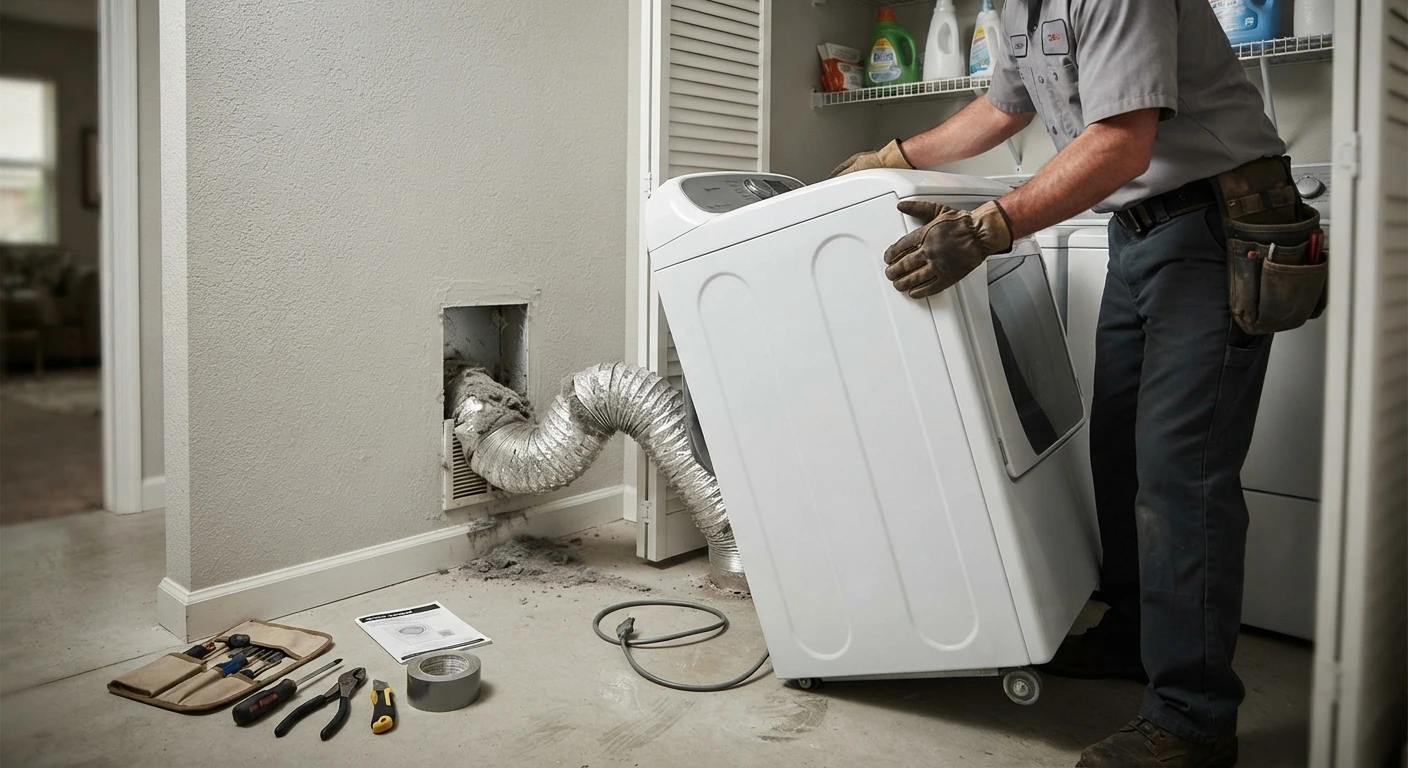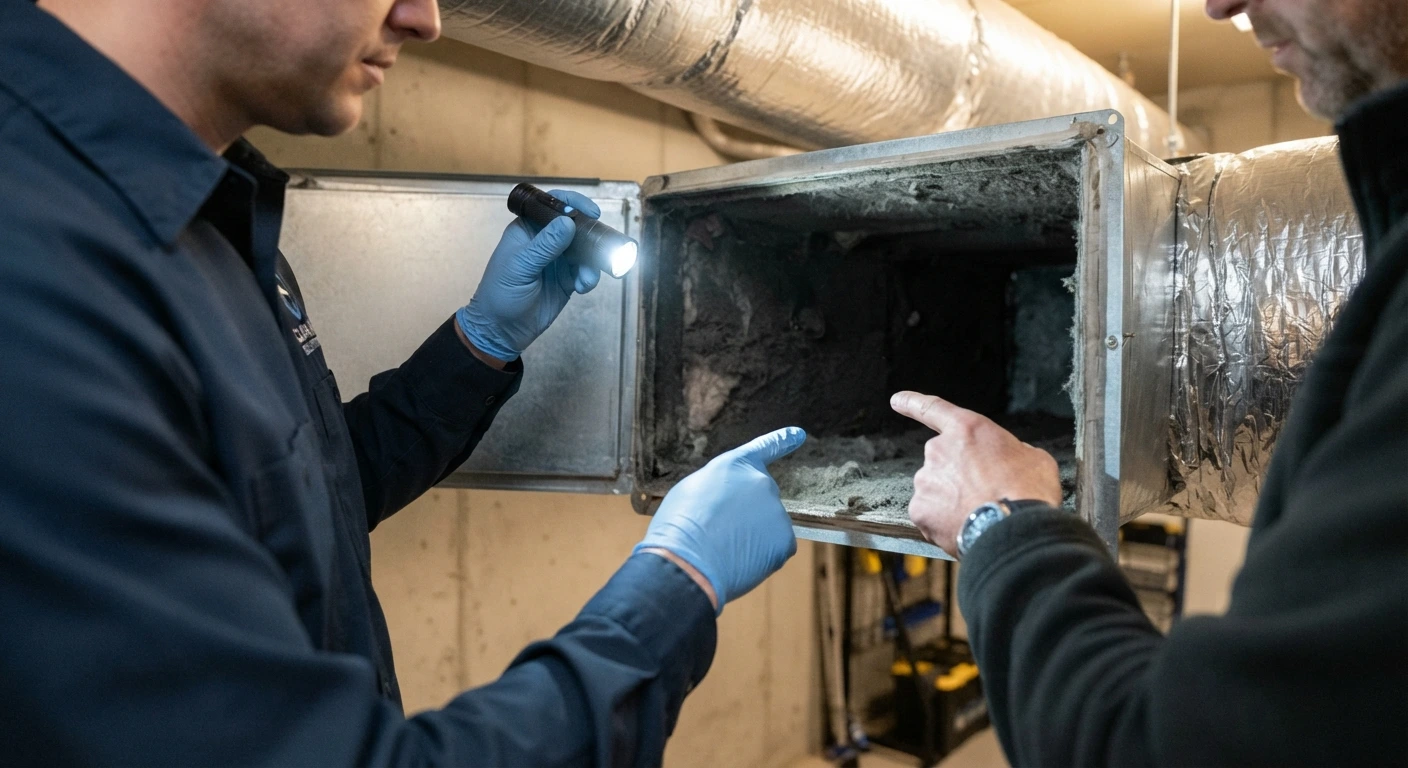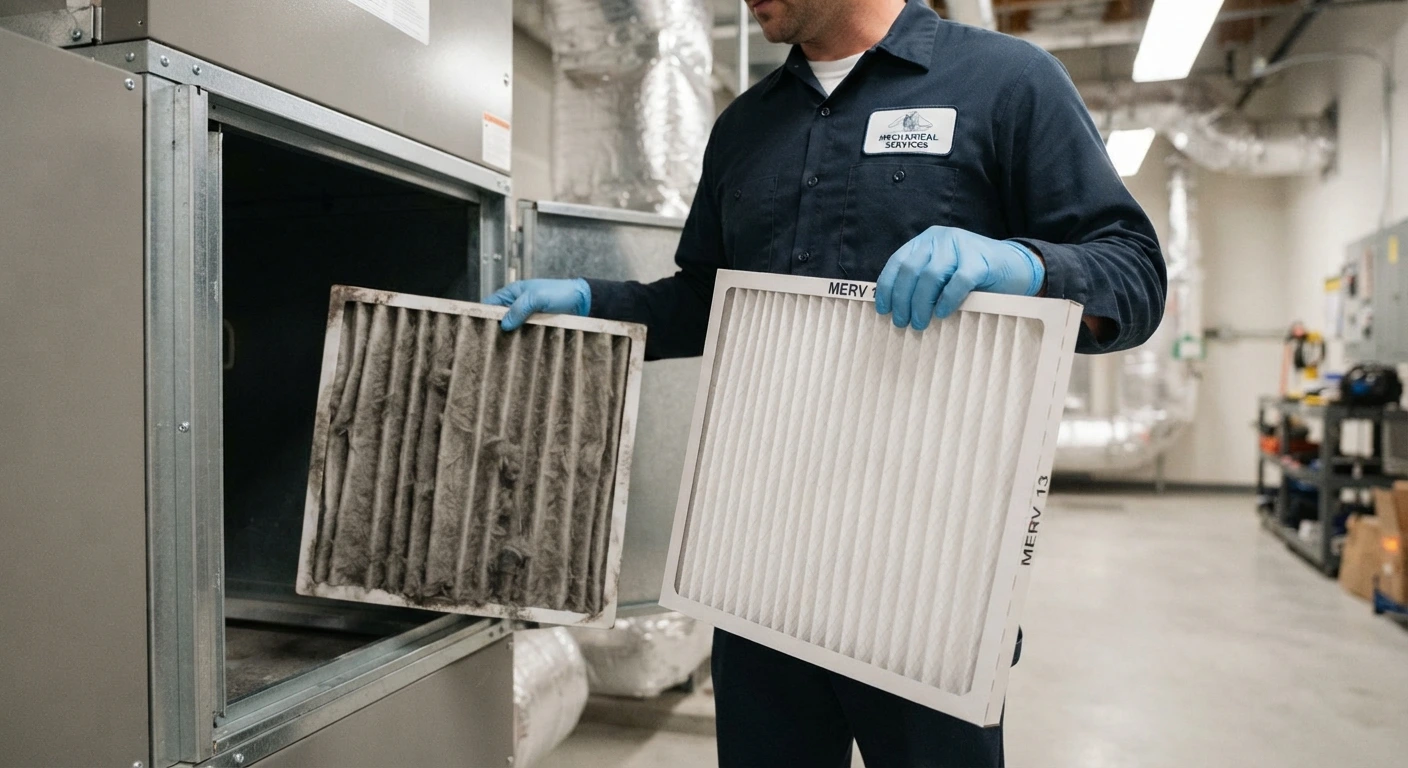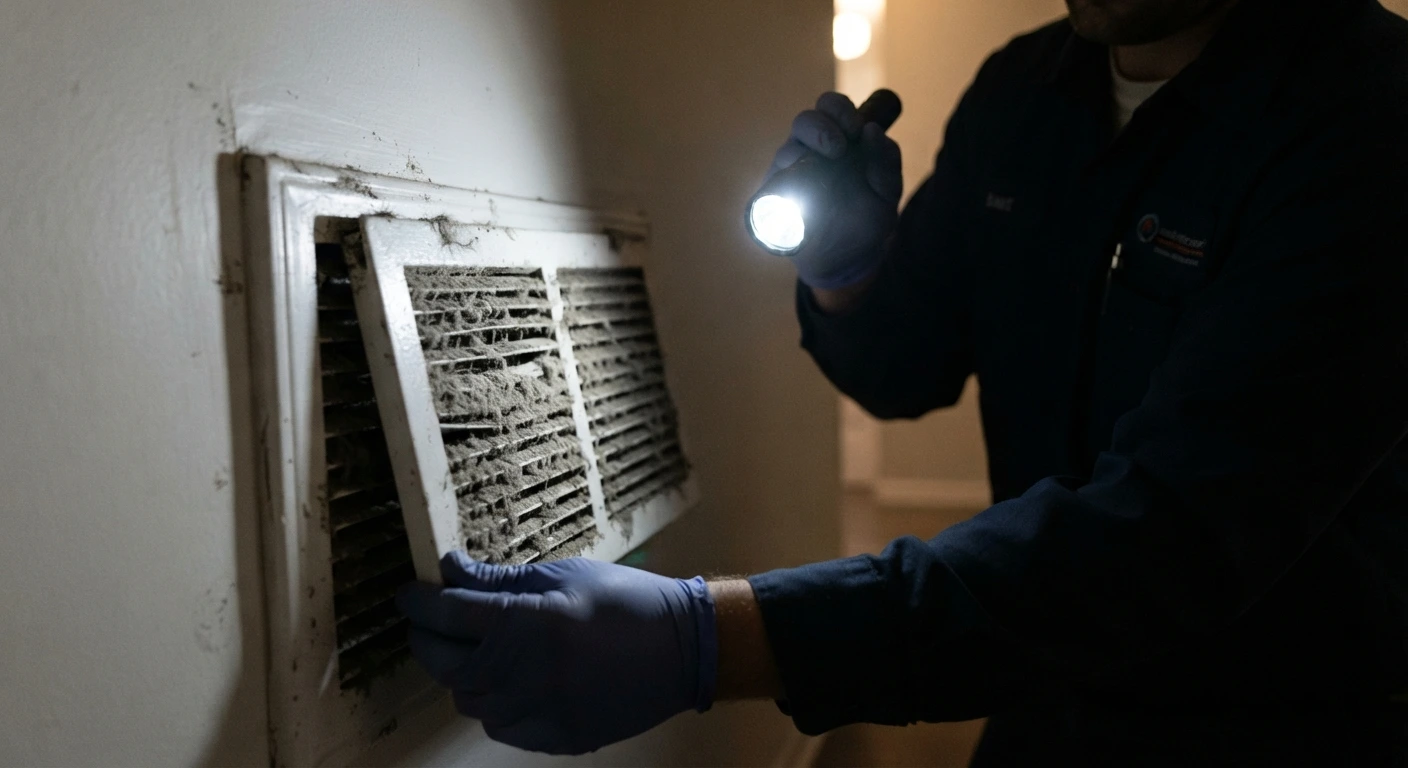
Most of the air in your building travels through metal passages you never look at. Month after month, those passages collect dust, dander, and grime that nobody can spot from the outside. So when people ask how you clean the inside of HVAC ducts, the honest answer is that it takes an actual method, not a household vacuum and some hope.
What Cleaning the Inside of HVAC Ducts Involves
There is a wide gap between wiping a vent cover and cleaning a full system. Wiping the grille handles only the first foot of metal you can see. Cleaning the inside of your HVAC ducts reaches every run, every bend, and every surface the air passes on its way to your rooms. A commercial air duct cleaning job covers the supply side that pushes conditioned air out and the return side that pulls stale air back.
Your ductwork is not one straight tube. Air moves from the air handler into a main trunk line, then splits into branch lines that feed each room or zone. Dust settles across all of these spots, and it settles most where the airflow slows down. A proper cleaning follows the air, from the handler all the way to the last register.
What Collects Inside HVAC Ducts Over Time
Before you clean something, it helps to know what you are cleaning out. The buildup inside HVAC ducts is rarely just plain dust. Over the seasons, a typical system gathers a mix of material that keeps circulating until someone removes it:
- Fine household and office dust that packs into corners and seams.
- Pollen and outdoor particles pulled in through the return side.
- Pet dander and hair in spaces that allow animals.
- Mold spores where moisture or condensation has been present.
- Construction and renovation debris such as drywall dust and sawdust.
- Insect or rodent droppings when pests have found a way in.
That last group matters more than people expect. Moisture plus trapped organic material is what turns a dusty duct into a source of musty smells and poor air. Cleaning the inside of your HVAC ducts breaks that cycle at the source.
The Source Removal Method Behind Clean HVAC Ducts
The method most certified technicians follow is called source removal. The National Air Duct Cleaners Association lays out this source removal approach, and it stays the industry standard for a good reason. The idea is straightforward. You loosen the dirt from the duct walls, then you pull it out of the system before it can settle again.
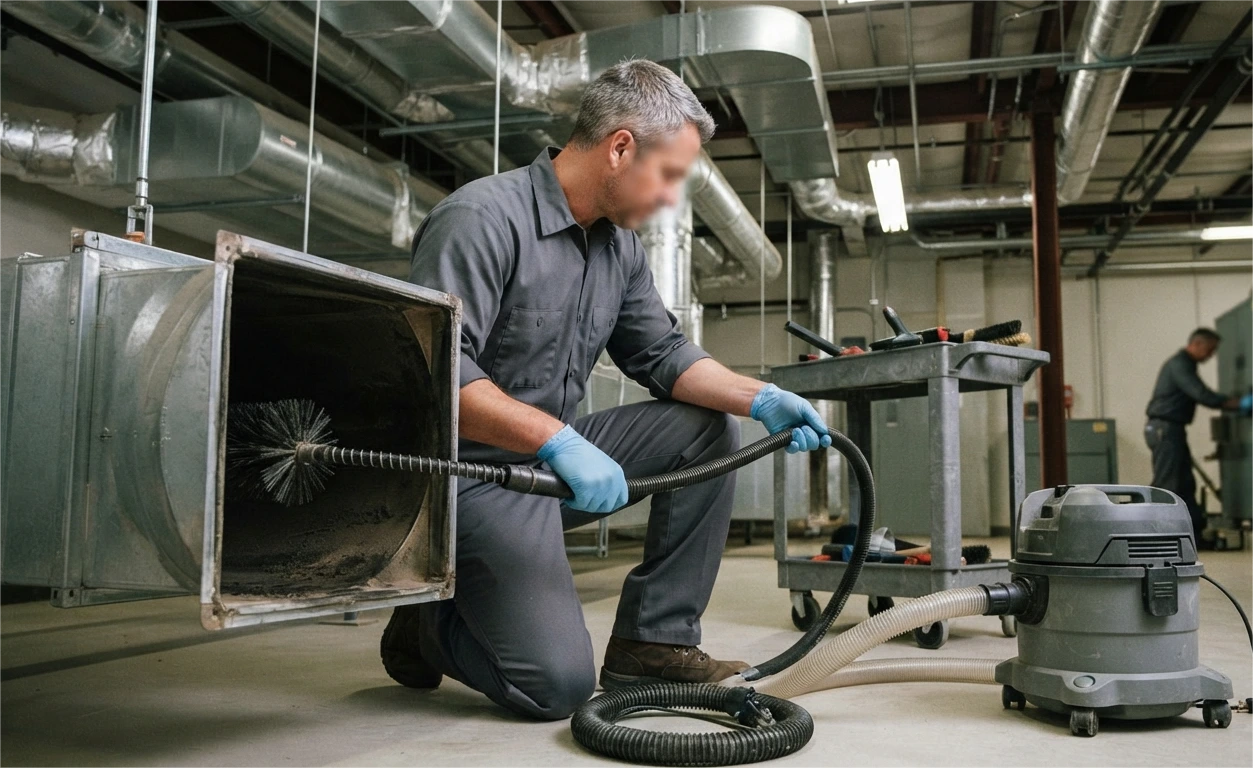
To do this, the whole system is placed under continuous negative pressure. A powerful vacuum, either truck-mounted or portable, draws air through the ducts the entire time. While that vacuum runs, technicians push brushes, air whips, and compressed air nozzles into the HVAC ducts to knock debris off the interior walls. The loosened dust travels straight into the vacuum instead of drifting into your rooms. This is why the suction stays negative from start to finish. Fine particles go airborne during agitation, and the vacuum catches them before they reach the air you breathe.
Step by Step: How Professionals Clean the Inside of HVAC Ducts
Every building is a little different, but a full cleaning of your HVAC ducts tends to follow the same order:
- Inspection first. The technician looks through the system for dust, debris, moisture, and mold, and studies how the ductwork is built.
- Setting up access. Cleaning happens through existing openings such as supply diffusers, return grills, and end caps. When a section cannot be reached, a service opening is cut and then sealed back with skill.
- Negative pressure on. The vacuum connects to the system and holds it under suction for the whole job.
- Agitation. Brushes and air tools break the caked dust off the duct walls.
- Extraction. The vacuum pulls the loosened debris out of the system and into a sealed container.
- Component cleaning. The parts that share the airflow get the same attention.
- Sanitizing and a final look. The cleaned surfaces are treated where needed, and the technician checks the work once more.
According to NADCA, a thorough job usually takes three to five hours. Anyone who promises a full cleaning in twenty minutes is cleaning the grille, not the HVAC ducts.
Cleaning the Components That Feed Your HVAC Ducts
Clean ducts will not stay clean if the parts around them are dirty. The air keeps passing over those parts and picks the mess right back up. This is why a complete job includes more than the ducts alone.
- Evaporator coil. A dirty coil chokes airflow and holds moisture. A dedicated coil cleaning clears it so the system can move air the way it should.
- Blower wheel. The blower pushes all of your air, and dust cakes onto its blades. Cleaning it restores the push and cuts strain on the motor.
- Drain pan and plenums. These collect what falls out of the airflow, so they need clearing too.
Skip these, and you invite recontamination within weeks. That is the line between a surface job and cleaning the inside of your HVAC ducts the correct way.
Sanitizing and Deodorizing After the Dust Is Gone
Once the dirt is out, some systems call for a sanitizing step. This matters most when there is mold, a musty smell, or a history of moisture. Only antimicrobial products registered with the United States EPA are allowed inside HVAC ducts, and they go on only after the mechanical cleaning is finished. Spraying a chemical over a layer of dust hides the problem instead of solving it. A disinfecting air duct treatment on clean, nonporous surfaces controls odor and microbial growth the right way.
What Clean HVAC Ducts Mean for a Commercial Building
For a business, dirty HVAC ducts are more than a comfort complaint. They cost money every month. Industry figures show that a typical commercial building can gather over 40 pounds of dust and debris in its ductwork each year. All of that forces the system to work harder for the same output.
The numbers around this get attention from any facility manager:
- A NADCA energy study found that routine HVAC cleaning improves airflow and energy efficiency while steadying how the system runs.
- OSHA estimates that poor indoor air quality costs employers around 15 billion dollars a year in lost productivity and health costs.
- The American College of Allergy, Asthma and Immunology has linked better workplace air to as much as a 20 percent gain in productivity.
- The EPA lists indoor air pollution among the top five environmental risks to public health.
Clean HVAC ducts affect your energy bill, your equipment life, and how your staff and customers feel inside the building. For an office, a clinic, a restaurant, or a retail floor, that connects straight to your bottom line.
How Duct Material Changes the Way HVAC Ducts Get Cleaned
Not all ductwork is built the same, and the cleaning has to match the material. This is a step many quick jobs skip, and it is how liners get damaged.
- Sheet metal ducts handle rotary brushes and air whips well, so they take the most direct cleaning.
- Flexible ducts need gentler agitation and careful pressure control, since hard brushing can collapse the liner.
- Fiberglass-lined ducts are the most sensitive, so air-based tools work better than stiff brushes that can tear the surface.
A technician who reads your HVAC ducts picks the tool for the material in front of them. That single choice protects the system while it gets clean.
Can You Clean the Inside of HVAC Ducts Yourself?
You can vacuum a register and wipe a grille, and that helps a little. What you cannot do at home is reach deep into the HVAC ducts, hold the system under negative pressure, and pull fine dust out without scattering it. A shop vac does not create the containment that stops loosened debris from blowing back into the room.
For light upkeep between cleanings, you can change filters on time, keep vents clear of furniture, and watch for dust building up fast around the registers. For the deep work, the tools and the training carry the weight.
How Often Should HVAC Ducts Be Cleaned?
There is no single date on the calendar, since it depends on the building and what runs through it. A commercial space with heavy foot traffic, cooking, or shared tenants needs cleaner ducts more often than a quiet office. Most businesses do well on a 2 to 3 year cycle, with earlier service after renovation, water damage, or a pest problem.
Homes follow a lighter schedule. A household with pets, allergy sufferers, or a recent remodel benefits from cleaning the inside of its HVAC ducts sooner than one without. When you see dust puff out as the system starts, or catch a musty smell at the vents, the ducts are asking for attention.
Stop Letting Your Ducts Recycle Dirty Air
Every hour your system runs, it pushes whatever hides inside your HVAC ducts into the rooms where you work, serve, and rest. Dust you cannot see becomes the air your team breathes all day long. At Delta Clean Air, we clean the full system the way the standard calls for, from the coil and blower to the last branch line, for both commercial and residential properties across Boston. Our technicians use the source removal method, non-toxic and EPA-compliant agents, and strong containment, so the dirt leaves your building instead of moving to the next room. Want cleaner air that also eases the strain on your system? Contact our team today and let us clear out what your ducts have been holding.