
Boston is famous for its historic charm, Red Sox games, and harsh winters. But many people forget the summer side of the story. When June rolls in, the air changes. The city turns hot, sticky, and heavy. Humidity climbs fast, and anyone who has lived in Boston knows how draining those muggy days feel. While you sweat through the afternoon, your HVAC system sweats too. The real struggle happens inside the coils.
In this article, we’ll explore how Boston’s humid summers affect your HVAC coils. We’ll talk about why coils matter, what humidity does to them, and how you can protect your system. We’ll be discussing the importance of coil cleaning in Boston.
Let’s Have a Brief Look at HVAC Coils
Your HVAC system works like a machine built on teamwork. Two main coils sit at the heart of it: the evaporator coil and the condenser coil.
- Evaporator coil: This coil sits indoors, usually in the air handler or near the furnace. Warm air from your rooms blows across it. The coil is cold because refrigerant runs through it. As air passes, heat moves into the coil and the air cools.
- Condenser coil: This coil sits outdoors, inside the big metal box you see near houses or on rooftops. It takes the heat collected indoors and pushes it outside. A fan blows across the coil fins to move the heat into the air.
Both coils are simple but critical. One absorbs heat. The other dumps heat. Without them, your HVAC system would just push warm air around.
Is it Really Boston Summer, The Culprit, or Humidity?
Boston does not just get hot. It gets wet and hot. Temperatures often climb into the 80s and 90s, but the real issue is the humidity. A July afternoon can feel unbearable with 70% to 90% humidity when air holds that much moisture; your body struggles to cool down. Sweat doesn’t evaporate fast, and you feel sticky.
The same rules apply to your HVAC system. When humid air passes over the evaporator coil, the coil must remove both heat and moisture. That extra job stresses the system. The wetter the air, the harder the coil works.
The Science of Moisture on Coils
When warm, damp Boston air touches the cold evaporator coil, water condenses. It’s the same as when a cold glass of iced tea sweats on your porch. Drops form on the coil surface. This is normal. In fact, your coil is designed to remove water from the air. The water drips into a pan and drains away.
But in Boston summers, the volume of moisture is extreme. Instead of a light layer of dew, coils face a flood of condensation. If the water doesn’t drain fast enough, it builds up. If the air carries dust, pollen, or pet hair, that moisture traps it against the coil fins. Soon, the coil turns slimy, clogged, and less efficient.
Effects of Humidity on Evaporator Coils
Let’s focus on the indoor coil. It takes the brunt of Boston’s summer humidity. Here’s how it reacts:
Water Buildup
Excess moisture collects faster than the drain pan can handle. Water may overflow and leak around the unit. This can damage floors, walls, and ceilings.
Mold and Mildew Growth
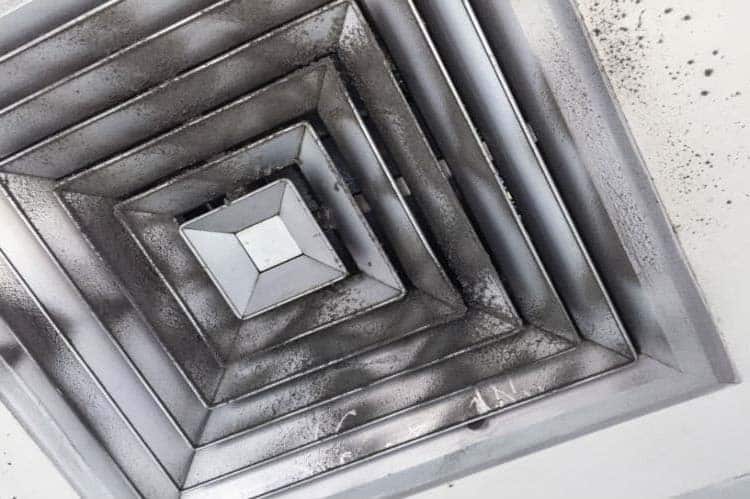
Moisture plus organic matter equals mold paradise. Spores settle on the coil surface, multiply, and release odors. The air you breathe then carries those spores through your home.
Reduced Heat Exchange
When coils get coated with slime or dust, heat transfer slows down. The refrigerant cannot absorb enough heat. Your home feels warmer even though the system runs longer.
Ice Formation
Oddly enough, too much moisture can also cause freezing. If air flow slows due to blocked coils, refrigerant stays too cold. Ice forms on the coil fins. A frozen coil stops cooling altogether.
Higher Energy Bills
The harder the system works, the more power it uses. In Boston summers, an overworked coil means you pay extra on every electricity bill.
Effects of Humidity on Condenser Coils
The outdoor coil fights a different battle. While it doesn’t deal directly with indoor humidity, Boston’s summer air still impacts it.
Dirt and Debris Stick More
Humid air makes dust and debris cling to surfaces. Outdoor coils near busy Boston streets or construction zones collect grime faster. Sticky dirt coats the fins and reduces airflow.
Rust and Corrosion
Metal and moisture never mix well. High humidity speeds up corrosion. Over time, coil fins weaken, bend, or break off.
Heat Rejection Problems
A dirty or corroded condenser coil cannot release heat efficiently. The refrigerant stays too warm. That strain pushes the compressor harder and shortens its life.
How Boston’s Urban Setting Makes It Worse
Boston is not only humid. It is also dense, busy, and filled with pollution sources. All of these pile onto the coil problem.
- Traffic pollution: Exhaust particles drift into outdoor units.
- Construction dust: The city always has roadwork or building projects underway. Fine dust sticks to damp coils.
- Salt air: Near the harbor, salty moisture adds to corrosion risk.
- Old housing stock: Many Boston homes have older HVAC systems that were not built for today’s humidity loads.
Warning Signs of Coil Issues in Humid Summers
How do you know if your coils are losing the battle against Boston humidity? Look for these red flags:
- Water leaks around your indoor unit: You may notice dripping pans, wet carpet, or ceiling stains.
- Musty or moldy smells: Air feels damp and stale, not fresh.
- Weak cooling: Your system runs long cycles, but rooms never get truly cool.
- Ice on the indoor coil: You can notice visible frost or solid ice build-up.
- Unusual noises: You may hear gurgling, hissing, or banging as the system strains.
- Spiking energy bills: Costs rise even though your thermostat stays the same.
Helping Guide: How to Get Rid of Black Mold in Air Vents
How to Protect Your Coils in Boston Summers
You cannot stop the humidity outside. But you can protect your system inside. Here are the steps that work.
Regular Coil Cleaning
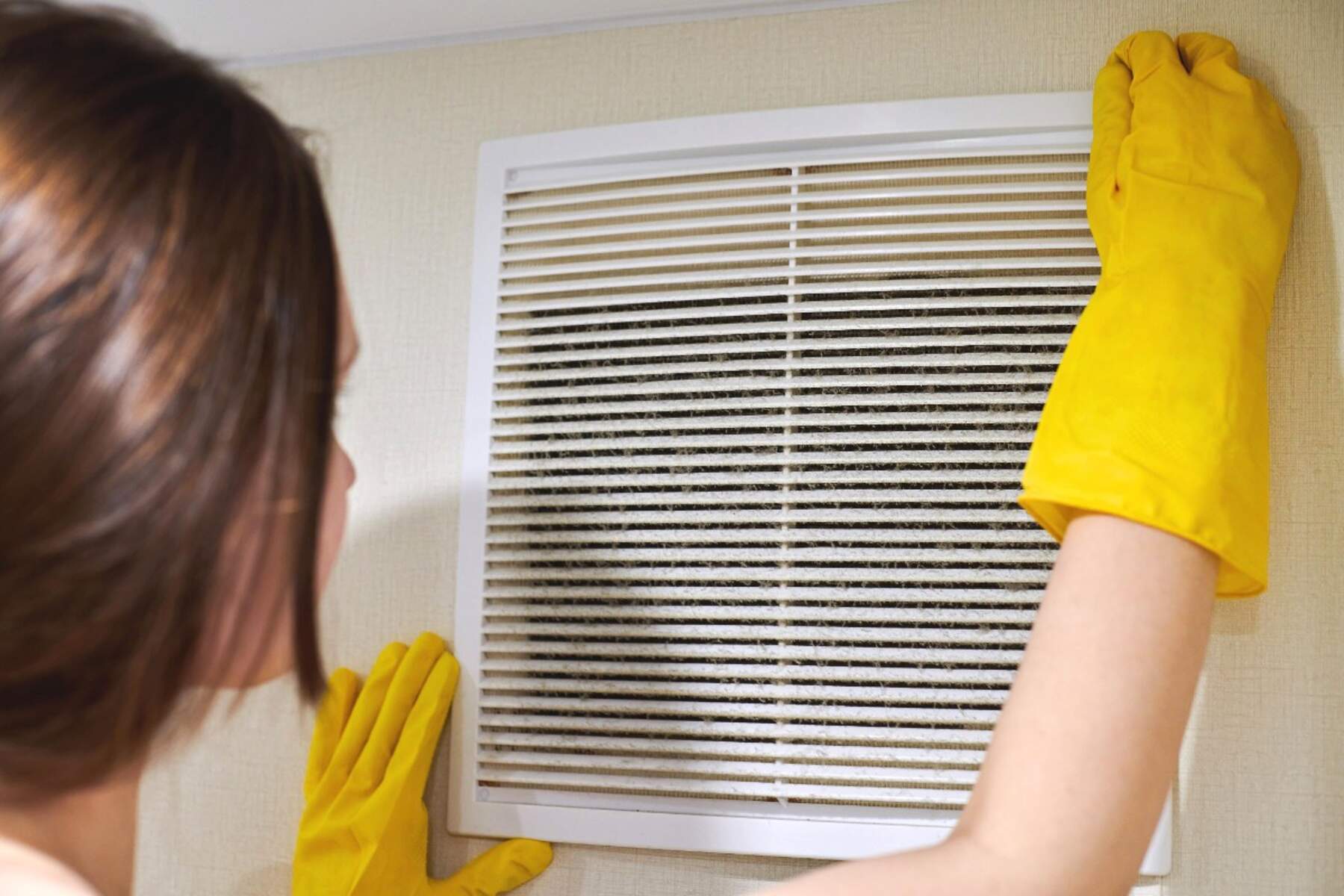
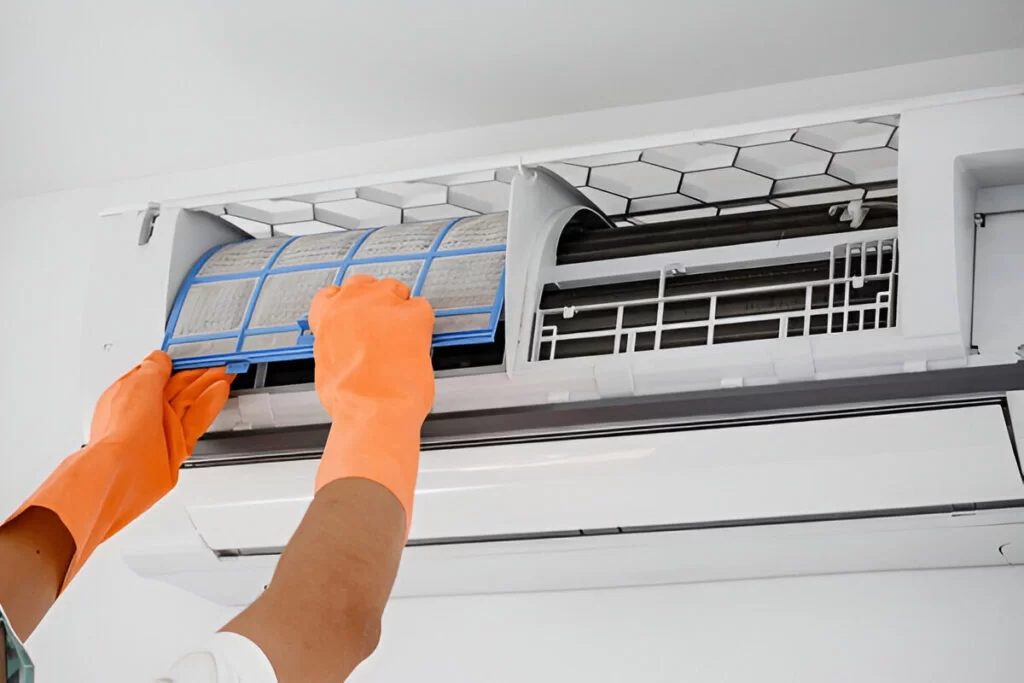
Schedule coil cleaning at least once a year, preferably before peak summer. A technician removes dirt, mold, and buildup with special cleaners. Clean coils transfer heat better and resist clogs.
Change Filters Often
High humidity means more particles stick to coils. Good filters trap them before they reach the coil. In Boston summers, check filters monthly. Replace them if they look gray or dusty.
Keep Drain Lines Clear
A clogged drain pan or line causes water overflow. Pour vinegar or a cleaning solution into the line to prevent slime growth.
Use a Dehumidifier
If your home feels damp even when the AC runs, add a dehumidifier. Some HVAC systems come with built-in dehumidifiers. Others can connect to a whole-house unit. Less moisture in the air means less strain on coils.
Protect Outdoor Units & Coil Coatings
Trim plants around the condenser. Rinse coils gently with a hose. Avoid pressure washing, which bends fins. Keep street dirt and construction dust from building up. Some modern coatings protect against corrosion. These are useful in coastal Boston neighborhoods where salty air speeds rust.
Must Read: Boston’s Pollen Season Makes Air Duct Cleaning Essential
How Coil Cleaning Increases Coil’s Lifespan
Coils face heavy work during Boston’s humid summers. They collect water, dust, and dirt every day. Without cleaning, this buildup creates stress. The system then runs longer, grows hotter, and wears out faster. Regular coil cleaning stops this cycle.
When coils stay clean, heat moves easily. Airflow stays strong. The compressor does not struggle. Less strain means less wear on every part of the system. Over time, this adds years to your coils.
Cleaning also prevents corrosion. Moisture and grime often eat away at metal fins. A clean surface dries faster and resists rust. That small step makes a big difference in Boston, where salty and damp air can speed up damage.
In simple terms: dirty coils die young, clean coils last longer. A quick cleaning once or twice a year protects your investment and saves you from early replacement costs.
Long-Term Consequences of Ignoring Coil Care
Some homeowners think they can ride out the summer without attention. That gamble costs more in the end. Neglecting coils leads to:
- Compressor failure is the most expensive HVAC repair.
- Mold growth that spreads through ducts and walls.
- Water damage that ruins ceilings and hardwood floors.
- Shorter system life, forcing early replacement.
Climate Change and Boston Humidity
Boston’s climate has shifted in recent decades. Summers are no longer just warm; they are hot, damp, and drawn out. Climate studies show humidity peaks are climbing higher each year, and heat waves last longer. This means your HVAC system works harder than ever during the peak months.
For coils, the challenge is double. Extra heat loads the condenser outside. Extra moisture overwhelms the evaporator inside. Together, these conditions strain the entire system. Parts wear out faster, energy use spikes, and repairs become more frequent.
Climate change is not slowing down. Neither is Boston’s humidity. Protecting your HVAC coils today is the smartest way to stay cool and comfortable tomorrow.
Boston’s Trusted Coil Cleaning & Maintenance Experts
Boston’s humid summers are tough on people and machines alike. Your HVAC coils take the brunt of the struggle. Indoor coils drown in condensation, while outdoor coils corrode and clog. Together, these problems cut cooling power, raise bills, and threaten health.
To avoid coil wear and tear, coil cleaning in Boston is necessary. At Delta Clean Air, we provide detailed coil cleaning, repair, and maintenance services to keep your coils working best. Our licensed and insured team has the right tools and equipment to safely complete the procedure.