If you scheduled air duct cleaning a few years ago, the process you experienced then is not the same process happening today. The tools are different, the standards are stricter, and the way technicians verify results has improved significantly. For anyone managing a commercial building or a home in Boston, these changes matter before you book your next service.
Why 2026 Is a Different Year for Air Duct Cleaning
Indoor air quality became a serious conversation across the country after 2020, and that conversation never stopped. Building managers, facility directors, and homeowners started paying closer attention to what was circulating through their HVAC systems. That pressure pushed the industry to respond with better equipment, tighter cleaning protocols, and updated standards.
For air duct cleaning in Boston, this shift is visible in how jobs are assessed, how equipment performs, and what documentation a property owner receives at the end of a service. The bar has moved, and companies that have not moved with it are still running outdated processes in modern buildings.
What NADCA Updated in 2026
The National Air Duct Cleaners Association publishes the ACR standard, which stands for Assessment, Cleaning, and Restoration of HVAC Systems. This is the document that defines what a proper air duct cleaning looks like. In recent updates, NADCA tightened the requirements around pre-cleaning inspection, source removal, and post-cleaning verification.
The key changes that affect how jobs are now performed:
- Pre-cleaning inspection is now a documented step, not a visual estimate
- Source removal, meaning physical extraction of debris, is the required method rather than surface-level vacuuming.
- Post-cleaning verification requires visual or video confirmation that duct surfaces meet cleanliness standards
- Disinfection and antimicrobial treatment must use EPA-registered products applied according to label instructions
For commercial property managers specifically, these updates mean that a compliant cleaning job produces paperwork, not just a technician’s verbal confirmation. If your cleaning company cannot show you documentation of what was found and what was removed, that is a gap worth addressing.
New Technology Now Used in Air Duct Cleaning
The equipment side of air duct cleaning in Boston has changed more in the last three years than it did in the previous decade. Three tools in particular have moved from specialty use to standard practice.
Robotic Camera Inspection Systems
Flexible robotic cameras can now travel the length of a duct system and record footage in real time. Technicians see the inside of every section before cleaning starts and after it finishes. This is important for commercial buildings where duct runs extend across large floor plates and visual access is limited without the camera.
Property managers get actual footage, not a summary. If there is mold growth, debris accumulation, or a breach in the duct lining, the camera captures it before the technician recommends any additional work. This removes a lot of the guesswork, and the guesswork is often where disagreements about scope and cost happen.
Negative Pressure Equipment with HEPA Filtration
Truck-mounted and portable negative pressure units have become more powerful, but the filtration technology attached to them has also improved. Modern units use HEPA filters that capture particles down to 0.3 microns at 99.97 percent efficiency. This matters because older equipment could dislodge particles from the ducts without fully capturing them, which effectively redistributes contamination into the building space.
With HEPA-rated containment, the particles that come out of the duct system during cleaning go into the filtration unit, not back into the air. For hospitals, schools, food production facilities, and office buildings in Boston with large occupancy counts, this distinction carries real consequences.
Improved Agitation Tools
Brushes, whips, and air-powered agitation devices have been refined to match different duct materials more precisely. Older agitation methods risked damaging flexible duct liners or fiberglass duct board. Updated tools adjust to the duct material type, which means the cleaning process removes debris without creating new damage that could affect airflow or become a contamination point later.
How These Changes Apply to Commercial Buildings in Boston
Commercial properties operate under different air quality expectations than residential ones. ASHRAE Standard 62.1, which governs ventilation for acceptable indoor air quality in commercial buildings, was updated, and the EPA’s guidance on indoor air quality now appears more often in building management contracts, tenant requirements, and insurance documentation.
For a property manager overseeing an office building, a hotel, a warehouse, or a healthcare facility in Boston, duct cleaning is no longer just a maintenance task. It is a documented part of the building’s air quality record. Tenants in commercial leases increasingly ask about HVAC maintenance history. Some industries, particularly food service, healthcare, and education, face regulatory requirements around indoor air quality that make duct cleaning documentation part of compliance.
Commercial air duct cleaning in 2026 is therefore more structured than a residential job. It involves a pre-service assessment, equipment sized for the building’s HVAC configuration, and a written post-service report that can go into the building’s maintenance file.
What Property Managers Should Ask Before Booking
- Does the company follow NADCA ACR standards, and can they confirm this in writing?
- What camera or inspection system do they use to document pre- and post-cleaning conditions?
- What filtration rating does their negative pressure equipment carry?
- Will they provide a written report with findings and what was completed?
These are not unreasonable questions. A company that cannot answer them is likely not operating at 2026 standards.
UV-C Light Technology Has Moved Into Mainstream Use
UV-C light treatment for HVAC systems was considered an add-on a few years ago. In 2026, it will become a standard recommendation for commercial buildings and a common upgrade in residential systems as well.
UV lights installation inside the HVAC system works by exposing air and surfaces to ultraviolet light in the C spectrum, which disrupts the DNA of bacteria, mold spores, and viruses, preventing them from reproducing. The units are placed near the coil and air handler, where biological growth is most likely due to moisture.
For a commercial building running its HVAC system for 8 to 12 hours a day, UV-C lights provide continuous treatment of the air moving through the system between cleaning cycles. The EPA has acknowledged UV-C as an effective method for reducing microbial contamination in HVAC systems when properly installed.
For Boston buildings dealing with humid summers and heating-heavy winters, where the combination of moisture and organic debris creates conditions for mold growth inside ducts, UV-C installation alongside a full cleaning is a practical step.
Disinfection Is Now a Standard Step, Not an Optional Add-On
The cleaning industry has moved away from treating disinfection as an upgrade. After the widespread focus on surface and airborne contamination in recent years, disinfecting the duct system at the close of a cleaning job has become part of the standard process for any reputable company.
In Boston, companies using eco-friendly disinfectants like Benefect Decon 30 can apply an EPA-registered, plant-based antimicrobial agent that leaves no harmful residue in the system. This is particularly important for properties where children, elderly residents, or people with respiratory conditions are present.
For commercial buildings, disinfection documentation is part of what a liability-conscious property manager should keep on file. If a tenant raises an air quality complaint after a cleaning was performed, that documentation demonstrates due diligence.
Read More: Factors That Affect the Cost of Air Duct Cleaning
What Has Not Changed: The Signs That Your Ducts Need Attention
Despite better technology, the indicators that a duct system needs cleaning remain the same. If you notice any of the following, the duct system is likely overdue for service:
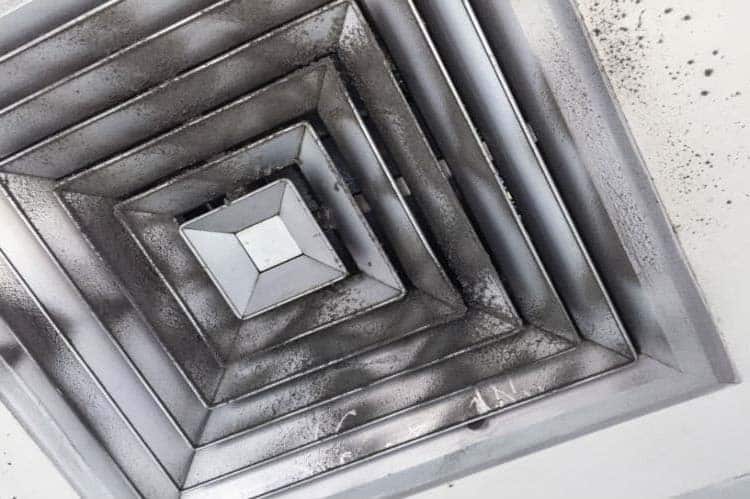
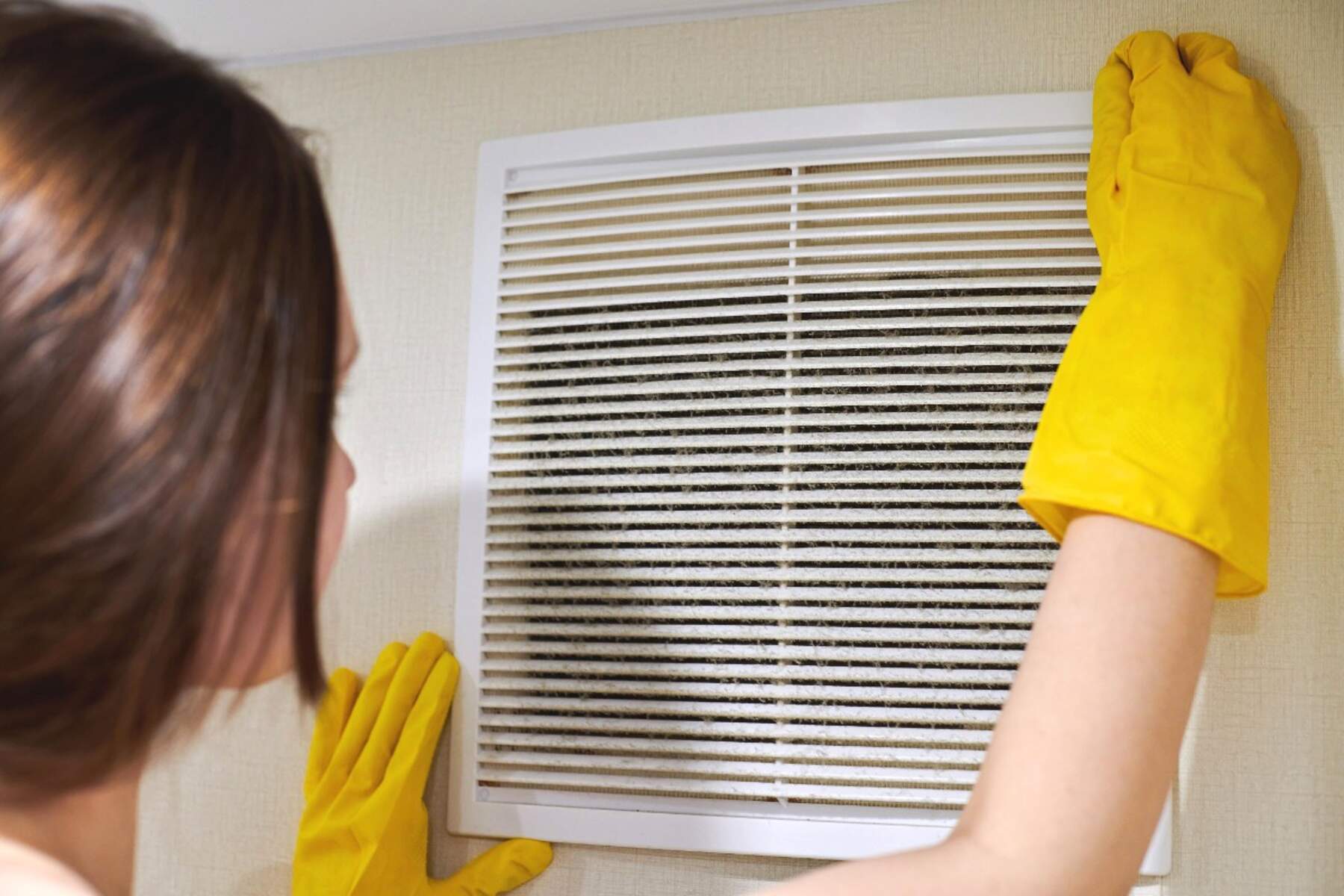
- Visible dust or debris around supply and return vents
- Musty or stale odors when the HVAC system runs
- Uneven airflow between rooms or floors in a building
- A recent renovation that generated construction dust
- Evidence of pest activity or nesting in the ductwork
- Higher than usual energy consumption without a change in usage
For commercial buildings, post-renovation cleaning is particularly important. Construction debris, including drywall dust, insulation fibers, and sawdust, settles into open duct systems during renovation work and circulates through the building once the HVAC is turned back on.
Schedule a Cleaning That Meets 2026 Standards
If your last air duct cleaning in Boston was done before these technological and standard updates took effect, what you received then does not reflect what a properly conducted cleaning looks like today.
At Delta Clean Air, we follow NADCA ACR standards, use robotic camera inspection for pre and post-verification, operate HEPA-rated negative pressure equipment, and provide written documentation of every job. We cover residential and commercial properties across Boston and greater Massachusetts.
If your ducts are overdue or you want to know what condition your system is currently in, Contact us today for a free quote. Dirty ducts do not improve on their own, and the longer a contaminated system runs, the more it affects every person breathing that air.