
Laundry is one of those chores that feels automatic. You throw clothes in, push a button, and expect dry clothes in under an hour. But hidden inside your home, there’s a system that keeps your dryer running smoothly: the vent. When that vent becomes clogged, the dryer suffers. A dryer vent clog is more than a nuisance. It shortens your appliance’s life, raises your bills, and puts your home at risk.
A dryer vent clog is more common than people might expect. Families replace dryers years earlier than expected, thinking the machine is failing. In reality, the vent is the problem. Let’s break down how dryer vent clogs form, the warning signs, the damage they cause, and what you can do to protect both your appliance and your home.
Why a Clear Dryer Vent Matters for Appliance Health
A dryer has one simple mission: push hot air through clothes to remove moisture. That hot air, along with tiny fibers of lint, has to leave the appliance and exit the home. The vent is the escape route that makes the whole process possible.
When the vent is clear, air moves freely, clothes dry quickly, and the machine runs efficiently. The dryer doesn’t strain, energy bills stay reasonable, and the appliance has the best chance of reaching its full lifespan. But when a dryer vent clog develops, the entire system struggles. Airflow slows down, heat builds inside the drum, and lint begins to collect in thick layers inside the vent. That buildup doesn’t just reduce performance but creates conditions that can shorten the life of the dryer and threaten home safety.
A clear vent matters for three big reasons:
- Efficiency: With proper airflow, clothes dry in one cycle instead of two or three. This saves time for busy families and lowers monthly utility bills. According to the U.S. Department of Energy, dryers are among the top energy-consuming appliances in a home. A clogged vent can raise energy usage by 30% or more, which means higher costs every month.
- Durability: Every extra minute your dryer runs puts strain on the motor, belt, sensors, and heating element. With a clear vent, the dryer completes cycles in less time, giving those parts less wear. That difference is significant as many dryers that should last 10–13 years break down in half that time when vents are clogged. Regular vent cleaning helps protect your investment.
- Safety: Perhaps the most critical reason. Hot air and lint must exit safely. Lint is highly flammable, and when it builds up inside a hot vent, it can ignite. The U.S. Fire Administration reports that nearly 3,000 home fires every year start in dryers, and the leading cause is failure to clean the vent. A clear vent means excess heat and lint leave the home the way they’re supposed to, lowering fire risk dramatically.
In short, a clear dryer vent isn’t just about performance. It’s about saving money, protecting your appliance, and keeping your family safe.
Also read: How to Clean a Clogged Dryer Vent Safely and Effectively
How a Dryer Vent Clog Forms Over Time
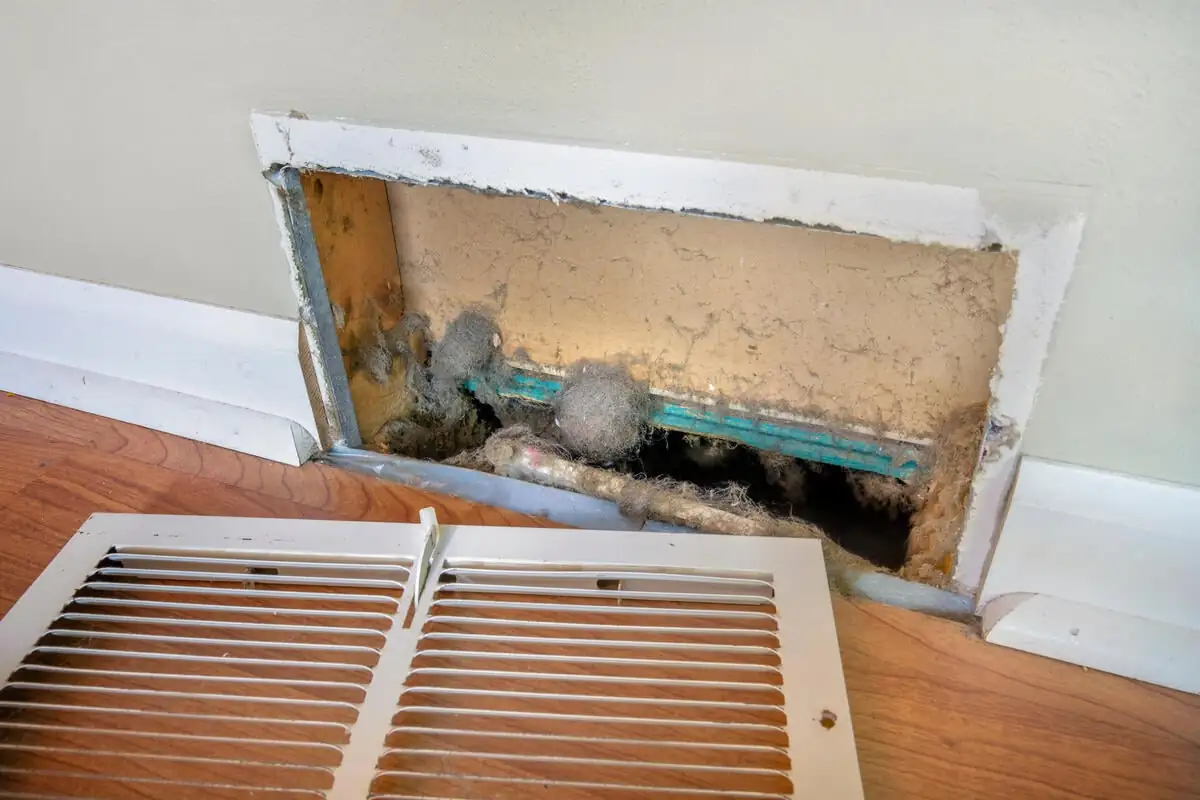
Clogs rarely happen overnight. They build up little by little, load after load. Each time you dry clothes, a small amount of lint escapes the trap and makes its way into the vent. On its own, it doesn’t seem like much, but over weeks, months, and eventually years, it creates a serious restriction.
- Lint sneaks through the filter. Even the best lint traps catch only about 80–90% of fibers. The rest keeps moving through the system and sticks to the vent walls. Fabrics like towels, fleece, and wool produce even more lint, so households that wash these often see faster buildup.
- Moisture makes it worse. Lint is dry and fluffy when it leaves the trap, but once moisture in the vent mixes with it, it becomes sticky. That damp material clings to the inside of the vent like glue. The more it sticks, the more lint attaches to it, and before long, you have thick mats of material.
- Hose design can add problems. A short, straight vent run allows air to move quickly, carrying lint out. But many homes have long ducts with sharp bends or flexible accordion-style hoses. Those ridges and turns act like speed bumps for lint, slowing it down and giving it more chances to settle.
- Animals find a home. Exterior vent openings are warm, sheltered, and inviting to wildlife. Birds may pack the space with twigs, squirrels may carry in nesting material, and insects like wasps sometimes build hives. What starts as a small nest quickly blocks airflow, while also trapping lint inside.
- Time does the rest. Day by day, the passage narrows. After months, airflow is already restricted, and after a few years without cleaning, many vents are nearly closed off. At that point, even a small additional blockage can bring the dryer to a halt or create dangerous conditions inside the vent.
Think of it like cholesterol in an artery. It starts with a thin layer you barely notice. But as more builds on top, the channel shrinks. The system works harder and harder until eventually, it can’t keep up. For dryers, that means overheating, wasted energy, and a shorter lifespan.
Warning Signs of a Dryer Vent Clog
A dryer rarely fails without giving warnings. Here are signs your vent may already be clogged:
- Clothes take longer to dry. Loads that once took 40 minutes now need over an hour.
- The dryer feels hot to the touch. Heat isn’t escaping properly.
- A burning smell lingers. Overheated lint is a serious red flag.
- Lint builds up around the vent flap. Excess lint outside points to a blockage inside.
- Clothes feel musty or damp. Moisture isn’t leaving the dryer as it should.
- The vent flap doesn’t open. Weak airflow means restriction.
- Energy bills climb. Longer cycles add to your costs.
If you’ve noticed two or more of these, your dryer is already working harder than it should.
How Dryer Vent Clogs Shorten Appliance Lifespan
Extra Wear and Tear on Parts
A dryer is built to last around 10 to 13 years with normal use. With a vent clog, parts are under extra stress. The motor runs longer, belts spin more, and heating elements stay on far past normal. What should last over a decade might wear out in half the time.
Overheating and Premature Failure
Without airflow, the dryer overheats. Modern machines shut down when this happens, but repeated overheating damages fuses, sensors, and heating elements. Once those fail, repairs get expensive, and many people end up replacing the machine entirely.
Moisture Damage Inside the Dryer
Trapped moisture leads to rust, sensor damage, and mold inside the drum. Electronic components corrode faster when exposed to humidity. A clog doesn’t just hurt performance but physically damages the inside of the appliance.
Fire Hazards Linked to Clogged Vents
Several dryer fire incidents occur in the U.S. every year. The leading cause? Failure to clean vents. Even if a fire never starts, the repeated high-heat conditions push the dryer toward early failure.
Higher Energy Costs from Longer Cycles
A dryer with a clogged vent may run two or three times longer to finish the same load. The cost adds up every month. Over years, the wasted energy can equal the cost of a new dryer.
Expected Lifespan of a Dryer with and without Vent Clogs
With regular vent cleaning: Most dryers are designed to last around 10–13 years under normal use, and some well-maintained models can stretch to 15 years or more. Regular vent cleaning keeps airflow strong, which means less heat stress on the motor, belts, sensors, and heating elements. When a dryer can run its cycles efficiently, its parts wear down at a much slower rate. Families that schedule annual cleanings often get a full decade or more out of a single machine before needing a replacement.
With a clogged vent: A dryer that struggles against poor airflow often shows signs of breakdown after just 4–7 years. The motor runs longer, the heating element cycles constantly, and the electronics are exposed to more heat than they were designed for. Moisture trapped inside can also lead to rust and corrosion on internal parts. In many cases, dryers that should still have years left on them are scrapped early because the vent was never cleaned.
That’s the difference between buying one dryer every decade and replacing two or three in the same time frame. Imagine spending $800 to $1,200 on a new dryer twice as often as necessary simply because the vent wasn’t maintained. The cost adds up quickly, especially when you factor in higher energy bills from longer drying times along the way.
Regular dryer vent repair and maintenance means protecting the life of the appliance you’ll be counting on for years. For the price of an annual professional cleaning, you’re essentially buying extra years of use from your dryer while lowering your monthly energy costs.
The Cost of Dryer Vent Neglect vs. Regular Cleaning
- Professional dryer vent cleaning: Around $100 to $200 annually.
This small yearly expense covers a full vent inspection, thorough lint removal, and proper airflow testing. It’s a proactive investment that helps keep your dryer efficient, lowers utility costs, and prevents early part failures. For most families, the annual cleaning fee is less than what they spend on laundry detergent in a year. - Fire damage repair: Thousands in repairs, insurance claims, and stress.
A single incident can mean replacing drywall, flooring, insulation, and sometimes entire sections of a home. Beyond financial cost, there’s the disruption of being displaced during repairs and the emotional toll of seeing your home damaged. - Dryer Vent Replacement: $600 to $1,200 for a standard model.
That price doesn’t include delivery, installation, or hauling away the old unit, which can add another $100 to $200. Higher-end dryers with advanced features can push the cost closer to $1,500 or more. If a vent clog cuts the lifespan of your dryer in half, you may be looking at buying two or three dryers in the same period when one would have lasted with proper maintenance.
The cost comparison is crystal clear. Spending a couple hundred dollars a year on professional dryer vent cleaning protects an appliance that costs six to ten times more to replace. It also safeguards your home from the much greater expense of fire damage. In many cases, clean vents pay for themselves through reduced energy bills, as shorter cycles mean less electricity or gas use.
DIY vs. Professional Dryer Vent Cleaning | A Detailed Comparison
| Factor | DIY Cleaning | Professional Cleaning |
| Cost | Low upfront (brushes or vacuums \$20–\$50) | \$100–\$200 annually |
| Time Required | 30–60 minutes | 45–90 minutes (average service call) |
| Effectiveness | Removes surface lint, usually only a few feet | Cleans the entire vent length thoroughly |
| Tools | Basic brushes, vacuums | Specialized high-powered vacuums and rotary brushes |
| Inspection | None | Full check for cracks, kinks, leaks, and damage |
| Blockage Removal | Limited. Tough to clear nests or heavy buildup | Can remove lint mats, animal nests, or stuck debris |
| Safety Impact | Helps a little, but risk remains | Greatly reduces fire hazards and improves airflow |
| Impact on Lifespan | Minimal. Clog often still remains | Extends dryer lifespan by reducing strain |
Maintenance Tips to Prevent Dryer Vent Clogs
- Clean the lint trap after every load.
The lint screen is your dryer’s first line of defense. Each cycle pulls fibers off your clothes, and those fibers collect quickly. Even a thin layer of lint reduces airflow, forcing the dryer to work harder. Cleaning it after every load takes seconds, yet it improves efficiency and lowers fire risk immediately.
- Use shorter vent runs with fewer bends if possible.
Airflow slows each time the vent makes a sharp turn or travels a long distance. If your dryer connects to an outside wall just a few feet away, airflow is strong and clogs take longer to form. But if the duct snakes across a basement ceiling or attic with multiple bends, lint has more opportunities to stick. When installing or remodeling, keep vent runs as straight and short as possible.
- Check the outside vent flap regularly to make sure it opens freely.
The flap should push open easily when the dryer is running and close tightly when it’s off. If it sticks shut, airflow is blocked. If it stays open, pests, rain, or debris can enter. Walk outside every month or so and make sure it’s moving smoothly. A stuck vent flap is one of the simplest problems to fix, yet one of the most common causes of blockages.
- Avoid overloading the dryer, which creates more lint.
Stuffing too many clothes into the drum doesn’t just slow drying. It produces excess lint because fabrics rub against each other more aggressively. That extra lint travels into the vent, where it clings and piles up. Smaller, balanced loads keep drying times shorter, create less lint, and are easier on the machine’s motor and belt.
- Schedule professional vent cleaning once a year.
For most families, a yearly professional cleaning is enough to keep vents clear. If you do laundry daily, wash bulky items like towels and bedding, or run multiple loads in a row, your household produces far more lint than average. In those cases, twice-a-year cleaning is smart. Professionals don’t just clear lint; they also inspect for cracks, loose fittings, or animal nests that DIY cleaning can miss.
These small steps make a big difference. They improve dryer performance, cut down on wasted energy, and extend the life of your appliance. More importantly, they reduce the risk of fire caused by a dryer vent clog, keeping your home and family safe.
Why Dryer Vent Clogs Should Never Be Ignored
Your dryer is one of the hardest-working appliances in your home, often running several times a week, sometimes daily. But it can only perform at its best if the vent system stays clear. A dryer vent clog adds hidden strain that you may not notice right away. Cycles run longer, parts heat up beyond normal limits, and before you know it, what should have been a 10-year appliance starts breaking down in half that time.
It’s not just about wear and tear. A clogged vent also raises energy bills month after month because the machine has to run longer for the same result. More troubling, the lint that causes those clogs is highly flammable.
The good news is prevention is simple and affordable. Annual professional vent cleaning keeps your system clear, improves airflow, and helps your dryer run efficiently. Households with heavy laundry use may even benefit from cleaning every six months.
A clean vent means fewer repairs, more reliable performance, and years of added life from your dryer. Think of it as giving your appliance the chance to do its job without unnecessary strain.
Call Delta Clean Air for Professional Dryer Vent Cleaning
Are your clothes taking forever to dry? Do you notice heat, smells, or lint around your vent? These are signs your vent is clogged and your dryer is suffering. Call Delta Clean Air the best air duct cleaning company for a full dryer vent cleaning. Our technicians remove lint, debris, and blockages so your dryer runs like it should.
Schedule your cleaning with Delta Clean Air now and protect your appliance, your home, and your family from the dangers of clogged vents.