Clean air ducts do not stay clean forever, especially in a state like Massachusetts where seasonal changes constantly stress HVAC systems. Most homeowners notice dust, odor, or allergy symptoms returning within months, even after a professional air duct cleaning. The real timeline depends on how you live, how your home traps particles, and how your HVAC system pulls in air.
This blog explains how long clean air ducts actually stay clean, what affects that timeline, and how Massachusetts weather accelerates re-contamination. You will also learn when cleaning makes sense again and how to extend the benefits of a fresh system.
Why Air Duct Cleanliness Never Lasts Forever
Air ducts work as the breathing system of your home. Every time your HVAC system runs, it pulls air through filters, pushes it through ducts, and releases it into rooms. That air carries microscopic dust, fibers, pollen, and moisture particles. Even after a deep cleaning, your ducts immediately start collecting debris again.
In Massachusetts, this process accelerates because homes experience four distinct seasons. Winter forces long heating cycles. Spring releases heavy pollen loads. Summer adds humidity. Fall brings dry leaves and outdoor dust. Each season pushes new contaminants into the system.
So when people ask, “How long do clean air ducts stay clean?” the honest answer starts with this reality: they stay clean only as long as your indoor and outdoor environment stays controlled.
How Long Clean Air Ducts Stay Clean
Most homeowners in Massachusetts experience a realistic cleanliness window of 6 months to 2 years after professional duct cleaning. That range depends on usage, maintenance habits, and environmental exposure.
Homes with strong filtration and light HVAC use may stay cleaner closer to two years. Homes with pets, high foot traffic, or older HVAC systems often see dust buildup returning within six to twelve months.
The key idea matters here: duct cleaning resets the system, but it does not protect it. Your HVAC system begins collecting particles again the moment it starts running.
Massachusetts Climate and Why It Affect Ducts
Massachusetts creates a unique challenge for indoor air quality. The climate does not just influence comfort; it directly influences how fast ducts collect debris.
During winter, homeowners close windows for months. That traps indoor pollutants and forces HVAC systems to recycle the same air repeatedly. Dust, pet dander, and cooking particles stay inside longer and settle in duct walls.
Spring introduces pollen from trees and grass. That pollen enters through open windows and attaches to vents and filters. Summer humidity creates conditions where moisture clings to dust, which helps buildup form faster inside ducts.
Fall brings another surge of airborne debris, especially in suburban and wooded areas. Leaves break down, soil dries, and wind carries fine particles into homes.
Because of these cycles, Massachusetts homeowners rarely experience long-lasting duct cleanliness without ongoing maintenance.
What Actually Re-Contaminates Clean Air Ducts
Clean ducts do not stay clean because air never stops moving through them. However, certain factors accelerate contamination more than others.
Indoor lifestyle plays a major role. Homes with pets introduce hair and dander daily. Cooking without strong ventilation releases grease particles that circulate through HVAC systems. Smoking indoors leaves residue that clings to duct surfaces.
The HVAC system itself also affects cleanliness. Older systems often leak air or fail to filter properly. Cheap or clogged filters allow dust to pass directly into ductwork. When filters stay unchanged for long periods, ducts accumulate debris faster than most homeowners expect.
Construction and renovation work also introduce heavy contamination. Drywall dust, sawdust, and insulation fibers enter vents easily and settle deep inside the system.
So even after professional cleaning, your ducts reflect your lifestyle within months.
What Happens After Air Duct Cleaning
Most homeowners expect ducts to stay “fresh” after cleaning. In reality, a cycle begins immediately.
Air flows through freshly cleaned ducts and starts leaving microscopic particles behind. These particles form thin layers that gradually trap more dust. Over time, this buildup thickens until airflow efficiency drops again.
You may not notice this process at first. The system still works, and air still flows. But indoor air quality slowly declines again. You may notice more dust on furniture, mild odors when the HVAC starts, or increased allergy symptoms.
This cycle does not mean cleaning fails. It means cleaning resets conditions, not outcomes.
How Long Clean Air Ducts Stay Clean in Different Home Types
Not all homes in Massachusetts behave the same way. The structure, age, and usage pattern of a home directly affect duct cleanliness.
A newer home with sealed ductwork and modern filtration often maintains clean ducts for longer periods. These homes limit external air leaks and trap fewer pollutants inside.
Older homes in cities like Boston, Worcester, or Springfield often show faster re-contamination. These homes may have older duct systems that leak, absorb dust, or circulate air unevenly.
Families with children or pets also experience shorter cleanliness cycles. Daily activity increases particle circulation, and ducts absorb that load continuously.
Rental properties and multi-unit buildings often face the fastest buildup because multiple occupants contribute to higher air turnover and inconsistent maintenance habits.
The Role of HVAC Filters in Keeping Ducts Clean
Air filters act as the first defense line for your duct system. They decide how much dust enters your ducts in the first place.
When homeowners use high-quality filters and replace them regularly, ducts stay clean significantly longer. When filters stay clogged or low-grade, ducts accumulate debris quickly.
Massachusetts homeowners often overlook filter changes during seasonal transitions. That mistake allows pollen in spring and dust in winter to enter the system without restriction.
A clean duct system depends less on one-time cleaning and more on consistent filtration habits. If you ignore filters, even the best professional cleaning will lose effectiveness quickly.
Signs Your Clean Air Ducts No Longer Stay Clean
Dust starts accumulating quickly on furniture even after regular cleaning
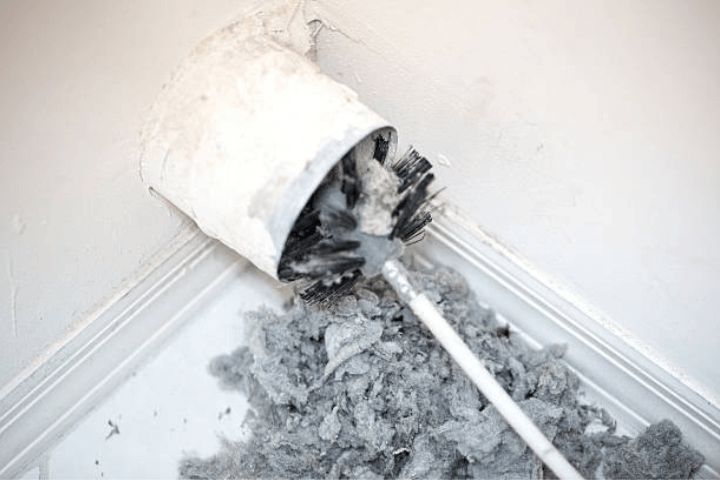
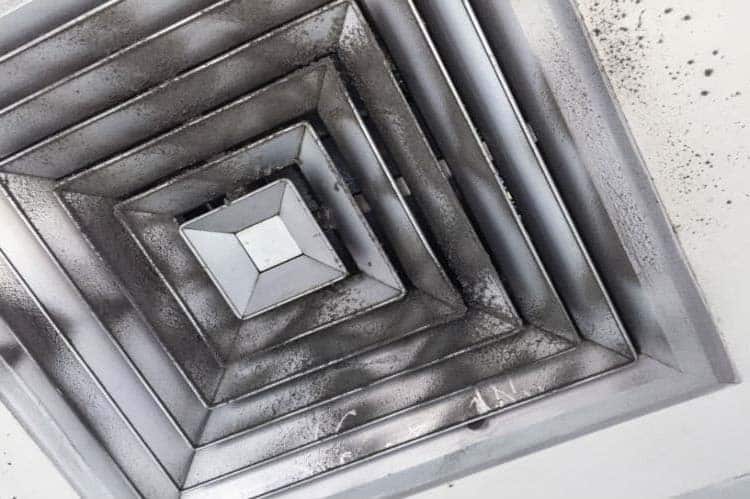
- Visible dust blowing out of vents when the HVAC system turns on
- Uneven airflow or weak air pressure in certain rooms
- Persistent musty, stale, or unusual odors coming from vents
- Increased allergy symptoms such as sneezing, coughing, or irritation indoors
- HVAC system running longer than usual to maintain temperature
- Dark dust lines or residue forming around vent covers
- Noticeable drop in indoor air freshness despite regular cleaning routines
- Higher energy bills without any change in HVAC usage patterns
- Unusual noises or whistling sounds coming from air ducts or vents
These signs do not appear overnight. They develop gradually as ducts accumulate debris over months.
How Homeowners in Massachusetts Extend Clean Duct Cycles
Homeowners who extend duct cleanliness do not rely on cleaning alone. They control the environment around the system.
They replace filters regularly and choose filters that match their HVAC capacity. They also keep humidity under control during summer months because moisture helps dust cling to duct surfaces.
They schedule seasonal HVAC inspections to catch buildup early. They also keep vents clear and avoid blocking airflow with furniture or rugs.
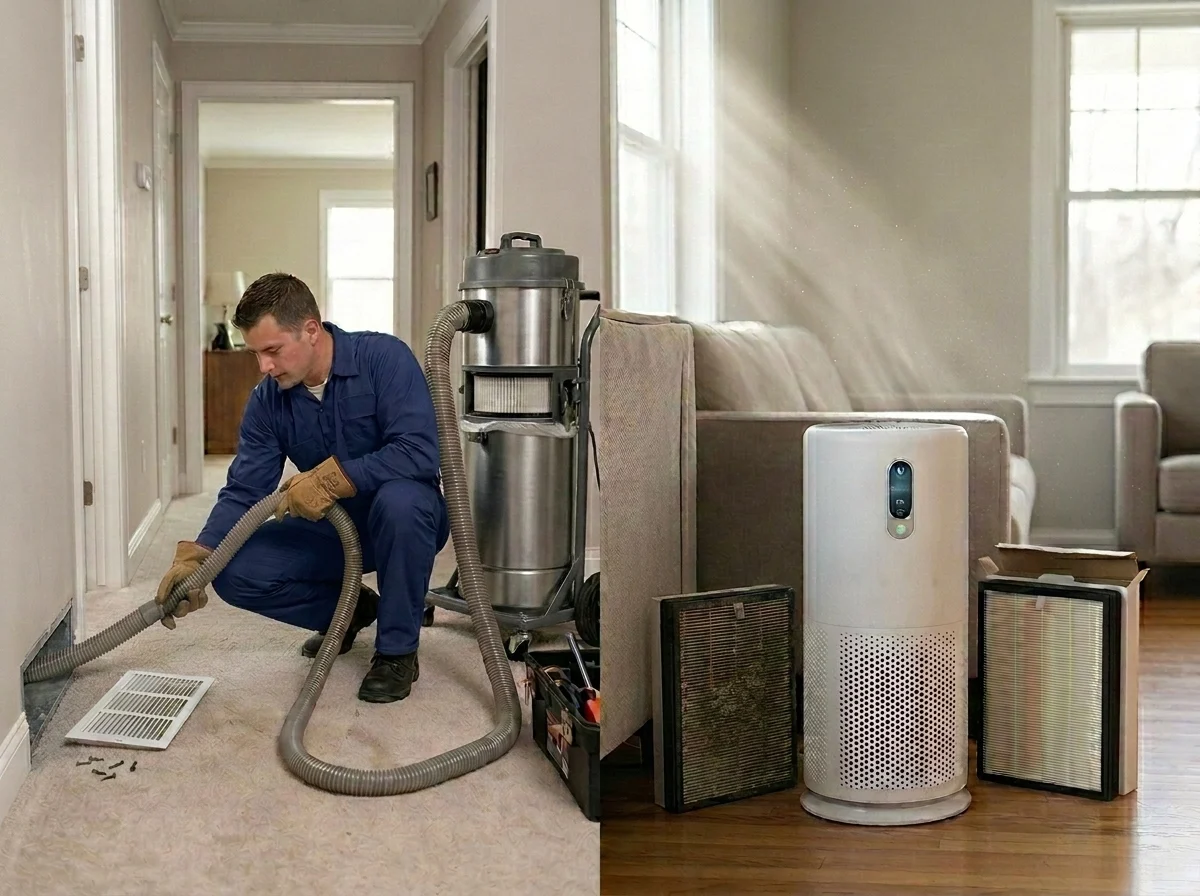
Some homeowners also invest in air purifiers to reduce airborne particles before they enter duct systems. This approach slows down re-contamination significantly.
Consistency matters more than intensity. Small habits protect duct cleanliness better than occasional deep interventions.
When You Should Clean Air Ducts Again in Massachusetts
Most Massachusetts homes benefit from duct cleaning every 12 to 24 months. However, timing depends on your environment.
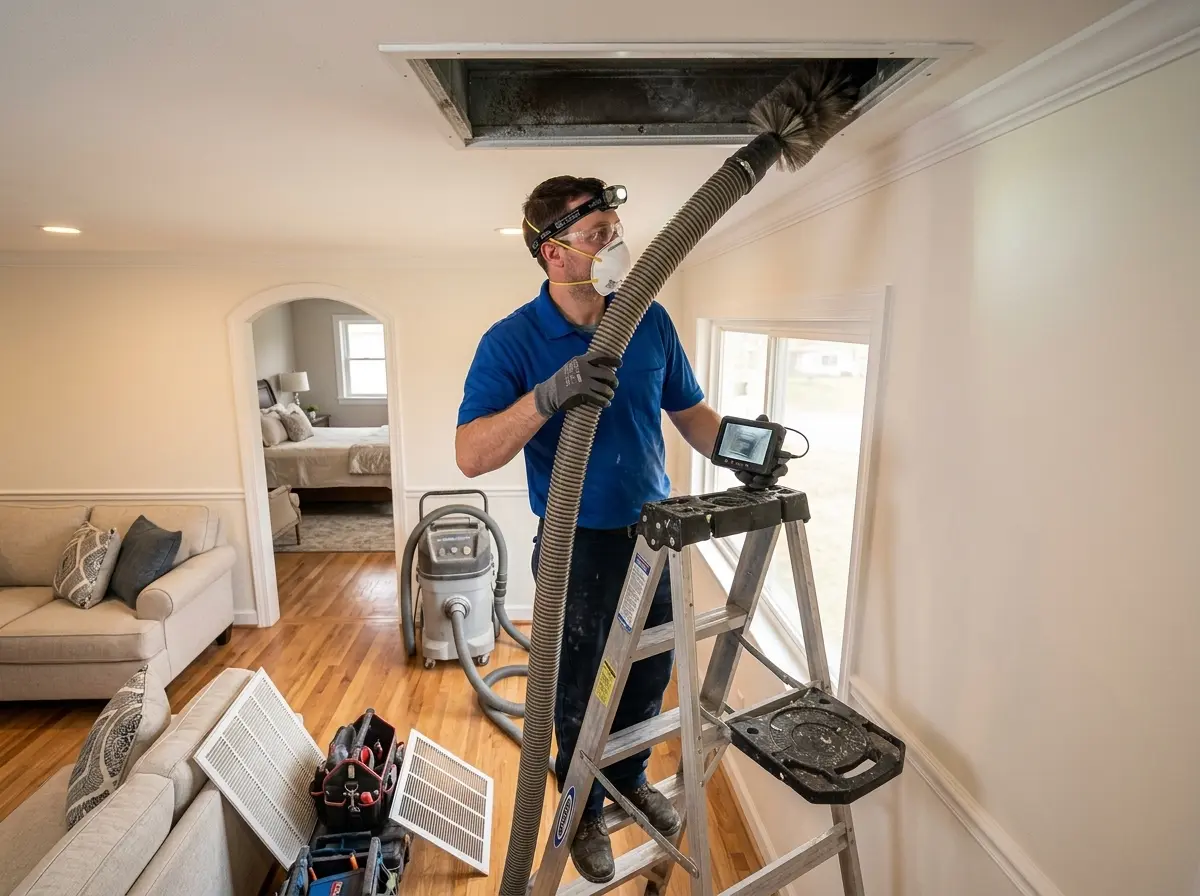
You should clean sooner if you notice visible dust from vents, persistent odors, or worsening allergies. You should also consider cleaning after home renovation or pest infestation.
Homes with pets or high occupancy often need cleaning closer to the 12-month mark. Lighter-use homes may extend closer to two years, especially with strong filtration habits.
The goal does not involve a fixed schedule. The goal involves monitoring your indoor air quality and responding to changes.
Why Location Matters in Air Quality
Massachusetts homes face a specific combination of coastal humidity, seasonal pollen waves, and long heating periods. This combination makes HVAC systems work harder than in many other states.
Coastal areas near Boston often deal with higher humidity levels that accelerate dust adhesion. Inland areas experience heavier pollen and dry air cycles that increase particle movement.
This geographic mix makes duct maintenance more critical in Massachusetts than in many milder climates..
Keep Your Air Clean with Delta Clean Air
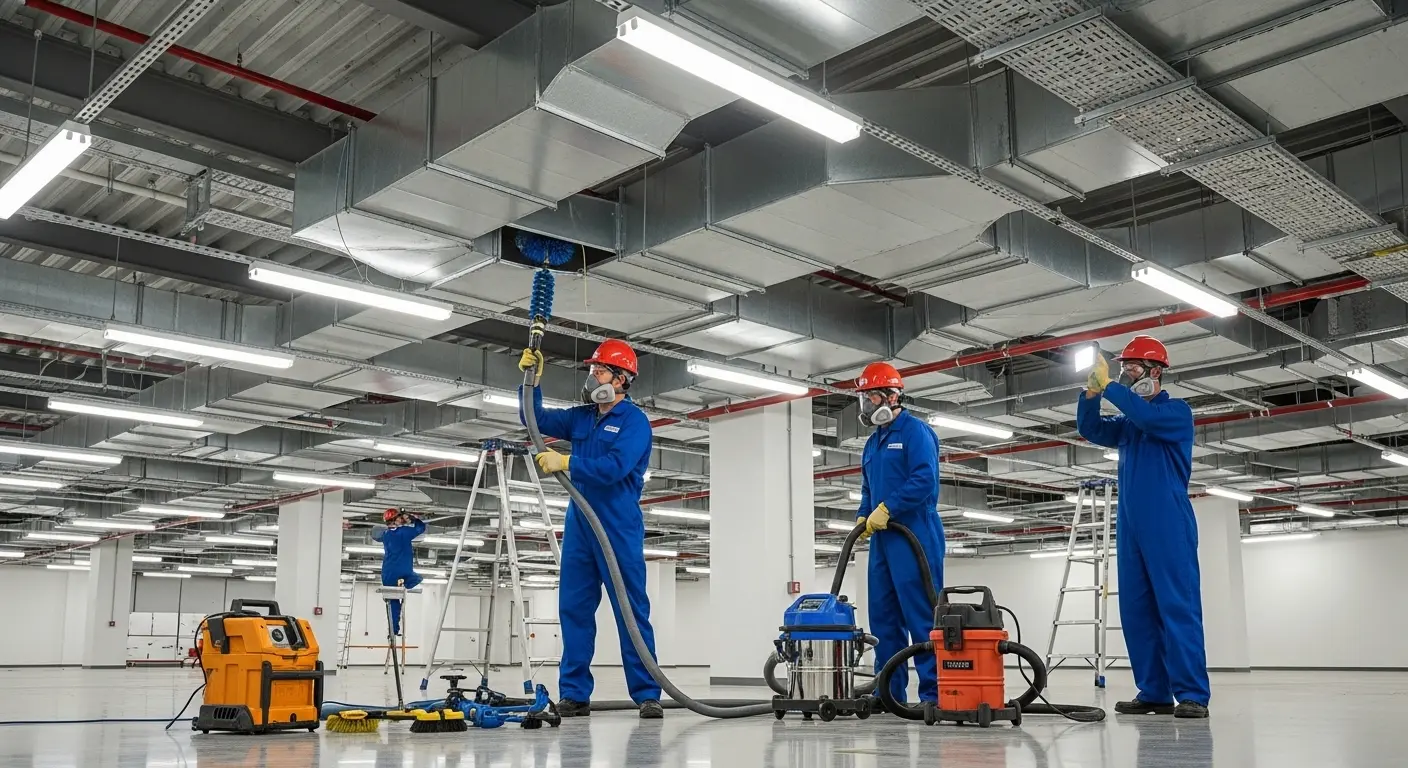
Your home deserves consistent, healthy airflow, not short-term fixes. At Delta Clean Air, we focus on deep duct cleaning strategies that address the root of contamination, not just surface dust.
We help Massachusetts homeowners extend the cleanliness cycle, improve HVAC efficiency, and reduce allergens inside their homes. Our approach combines professional cleaning with practical guidance so your system stays cleaner for longer, not just for a moment.
If you want cleaner air that lasts beyond a few months, Delta Clean Air stands ready to help you take control of your indoor environment.
FAQs
How quickly do air ducts get dirty again?
Air ducts start collecting dust immediately after cleaning. Most homes notice buildup within 6 to 12 months depending on usage and environment.
Does duct cleaning improve air quality permanently?
Duct cleaning improves air quality temporarily. Long-term air quality depends on filters, HVAC maintenance, and indoor habits.
Why do my air ducts get dirty so fast in Massachusetts?
Massachusetts weather cycles introduce pollen, humidity, and heating demands that increase airflow contamination throughout the year.
What happens if you never clean air ducts again?
Over time, dust buildup restricts airflow, increases energy costs, and reduces indoor air quality. It can also worsen allergy symptoms.