Walk into any home improvement store, and you will find an entire aisle of air purifiers. Some cost $40. Some cost $800. All of them promise cleaner air. Meanwhile, you have probably heard that professional air duct cleaning matters too, but it is harder to see and easier to put off.
So when it comes to air duct cleaning vs air purifier, which one actually makes a difference for the air quality inside your home?
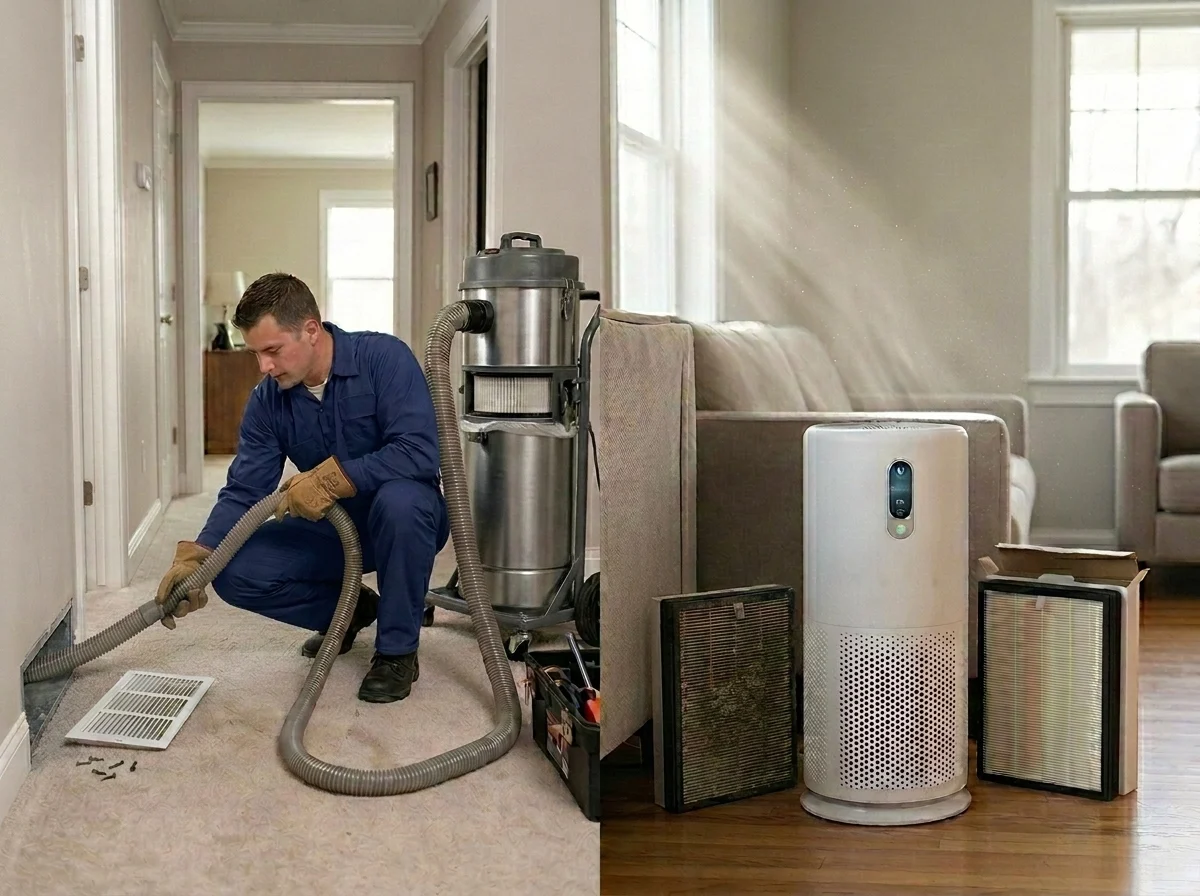
The short answer is that they solve fundamentally different problems. One removes the source of contamination stored inside your HVAC system. The other filters particles already floating in the room air. Choosing between them without understanding that distinction is like buying a mop to fix a leaky pipe. The floor might look better, but the problem is still there.
This guide breaks down exactly how each approach works, what the research actually shows, what situations call for which solution, and when combining both is the only decision that makes sense.
Understanding the Core Difference First
Before comparing air duct cleaning vs air purifier side by side, the mechanics of each need to be clear.
How Air Duct Cleaning Works
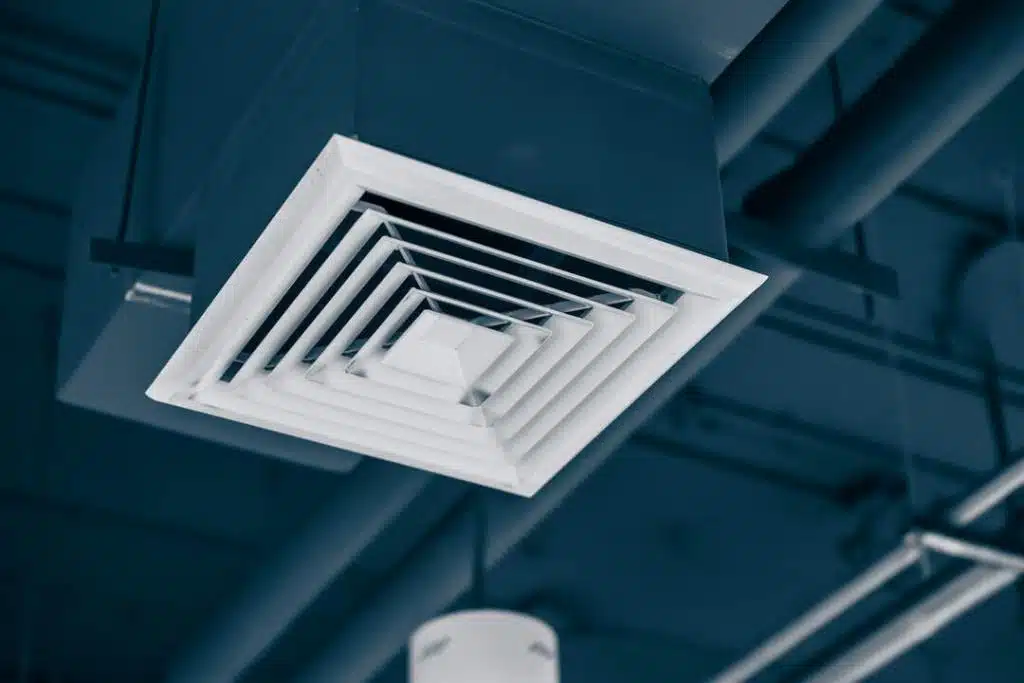
Your home’s HVAC system is essentially a circulation network. Air gets pulled in through return vents, passes through the air handler and filter, gets heated or cooled, and then gets pushed back out through supply vents into your living spaces. Every cubic foot of air in your home passes through this system multiple times each day.
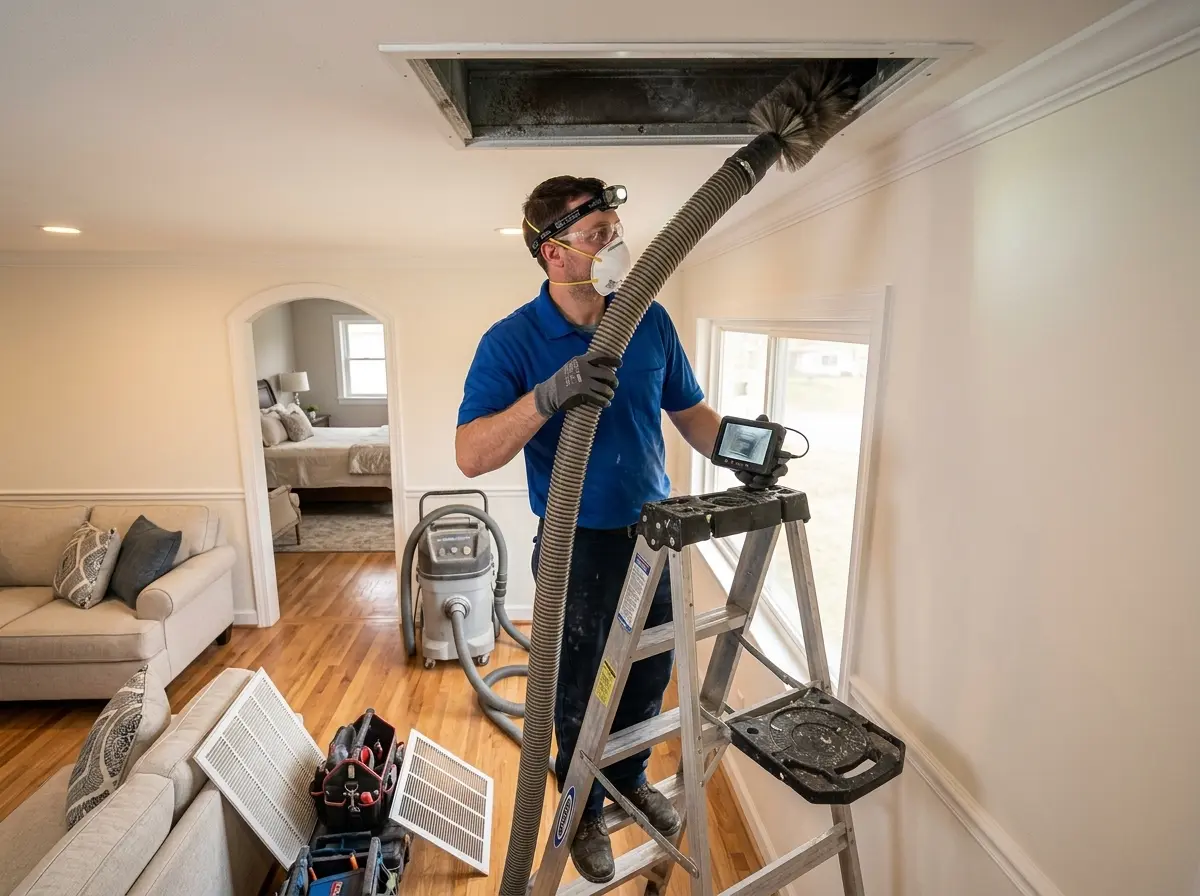
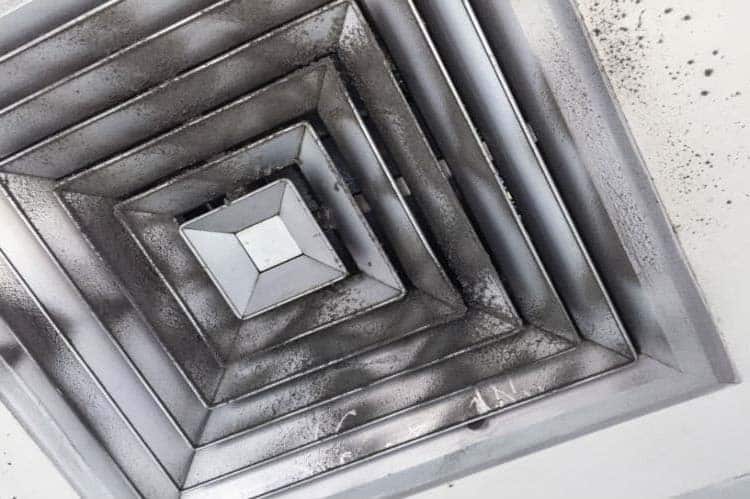
Air duct cleaning addresses what accumulates inside that network over time. Using high-powered negative air equipment and mechanical agitation tools, a certified technician physically extracts dust, debris, pet dander, mold spores, and other contaminants that have settled inside the ductwork, on the blower wheel, and on the evaporator coil. This is source removal, meaning the contaminants are taken out of the system entirely rather than simply filtered as they pass by.
The EPA estimates that Americans spend approximately 90% of their time indoors. The average home generates about 40 pounds of dust per year, and a meaningful share of it cycles through the HVAC system. Over months and years, that accumulation builds up inside duct walls and system components in ways that no amount of room-level filtration can address.
How Air Purifiers Work
An air purifier is a standalone device that pulls air from the immediate room through a filter, typically a HEPA filter, and releases cleaned air back into the same space. A true HEPA filter captures 99.97% of airborne particles at 0.3 microns, which covers most common allergens including pollen, pet dander, dust mites, and many mold spores.
A 2025 study published in the journal Toxics and conducted on 67 low-income homes in Lowell, Massachusetts found that HEPA and carbon filter air purifiers reduced indoor PM2.5 concentrations by 45% and nitrogen dioxide by 36% in homes with gas stoves. That is meaningful improvement. An earlier 2022 study published in the International Journal of Environmental Research and Public Health also confirmed measurable reductions in particulate matter when portable HEPA units were run consistently in residential settings.
However, both studies measured airborne particles in the room where the purifier was operating. Neither study examined what happens to contaminants already deposited inside ductwork, coils, or air handlers. That is a different problem entirely, and it is the gap that often gets overlooked when homeowners try to choose between these two indoor air quality solutions for their home.
Also Read: Commercial HVAC Trends in 2026 That Impact Duct Cleaning
Situations Where Air Duct Cleaning Is the Right First Step
Several specific circumstances make air duct cleaning the appropriate primary intervention rather than an air purifier.
Post-Renovation Dust and Debris
Renovations release fine particles like drywall dust, silica, sawdust, insulation fibers, and VOCs. Your HVAC system pulls these into the ducts, where they settle and continue circulating long after the work is done. Renovation duct cleaning is essential to remove this contamination.
Visible Dust from Vents
If you see dust coming from supply vents, an air purifier won’t help. This is duct contamination that requires professional cleaning.
Mold in Ducts
Homes with moisture issues may develop mold inside the duct system. Mold spores need proper duct cleaning and disinfection to be safely removed, air purifiers alone are not enough.
Rapid Dust Accumulation
If surfaces get dusty unusually quickly and your HVAC runs regularly, contaminated ducts are likely redistributing debris. Air purifiers can help in individual rooms but cannot solve system-wide contamination.
Older or Previously Occupied Homes
When moving into an older home or rental, the duct system’s history is unknown. A thorough duct cleaning establishes a clean baseline before adding any indoor air quality devices.
Dirty HVAC Components
Critical components like the blower wheel, evaporator coil, and air handler can collect debris independently of ducts. Dirty components reduce efficiency and air quality and require dedicated cleaning, not something an air purifier can fix.
Situations Where Air Purifiers Are Actually Helpful
There are genuinely appropriate uses for air purifiers, and dismissing them entirely would be as inaccurate as treating them as a complete indoor air quality solution.
Allergy and Asthma Relief
If someone in your home has allergies or asthma, a HEPA air purifier can help reduce airborne particles in the rooms they use most. It works best as a supplement, not a replacement for duct cleaning.
Homes with Pets or Ongoing Air Pollutants
Air purifiers are useful in homes with pets, frequent cooking, or past indoor smoking. They help capture particles created by everyday activities.
After Professional Duct Cleaning
Once your ductwork has been cleaned, an air purifier can help maintain better indoor air quality by capturing new dust, pollen, and other particles before they settle.
During Wildfire Smoke or Poor Outdoor Air Quality
A HEPA air purifier with activated carbon can improve air quality in specific rooms during wildfire events or periods of heavy outdoor pollution, especially when windows remain closed.
Also Read: Air Duct Cleaning in 2026: What’s Changed in Technology and Standards?
The HVAC Components Many Homeowners Overlook
Indoor air quality isn’t just about the ductwork. Key HVAC components like the blower wheel, evaporator coil, and air handler can also collect dust, debris, and contaminants over time.
- Blower Cleaning: Removes buildup that can reduce airflow, strain the motor, and spread dust through your home.
- Coil Cleaning: Improves energy efficiency and prevents dirt-covered coils from affecting system performance.
- Duct Disinfecting: Helps address mold, bacteria, and persistent odors after debris has been removed.
Unlike duct cleaning, air purifiers only filter air in the room where they’re placed. They cannot clean HVAC components or remove contamination inside the system itself.
Recognizing the Signs Your Home Needs Duct Cleaning
Many homes give clear clues about indoor air quality problems, but these signals are often misread as generic “air issues” instead of pointing to a specific source.
Persistent Musty or Stale Odors
If odors keep returning after airing out your home, the source is likely inside the ductwork or HVAC components. Air purifiers may mask the smell in one room, but only duct cleaning and disinfecting remove it at the source.
Worsening Allergy or Respiratory Symptoms at Home
If household members feel better outdoors or in other buildings, your HVAC system is often the culprit. Contaminated ducts can trigger significant indoor allergy or respiratory issues.
Uneven Airflow Between Rooms
Vents delivering noticeably less air indicate debris buildup in the ducts or blower issues. Duct cleaning restores airflow balance and system efficiency.
Rising Energy Bills Without Increased Usage
Debris in your ducts and HVAC components makes the system work harder, raising energy consumption. If bills increase without lifestyle changes, dirty ducts are likely the cause.
Unknown or Long-Uncleaned Ducts
If it’s been years, or you have no history of duct cleaning, your system has likely accumulated significant debris, even if it’s not immediately visible. Routine cleaning every 3-5 years is recommended.
Frequently Asked Questions
Can an Air Purifier Replace Duct Cleaning?
No. Air purifiers filter particles in a room, but they cannot clean ductwork, coils, or HVAC components. If the source of contamination is inside the system, duct cleaning is the solution.
What Does a HEPA Filter Capture?
HEPA filters are highly effective at trapping pollen, pet dander, mold spores, and fine dust. However, they cannot remove debris already inside ducts, eliminate surface contamination, or capture most gases and VOCs without activated carbon.
How Often Should Ducts Be Cleaned?
Most homes benefit from duct cleaning every 3-5 years. More frequent cleaning may be needed after renovations, mold issues, pest infestations, or moving into a home with an unknown maintenance history.
Is Duct Cleaning Worth It for New Homes?
Yes. New construction often leaves behind drywall dust, wood particles, and other debris that can end up inside the duct system during the building process.
Can Air Purifiers Remove HVAC Odors?
They can help reduce odors in the air, but they won’t eliminate odors coming from dirty ducts, coils, or HVAC components. Cleaning the source is the most effective solution.
Do Dryer Vents Affect Indoor Air Quality?
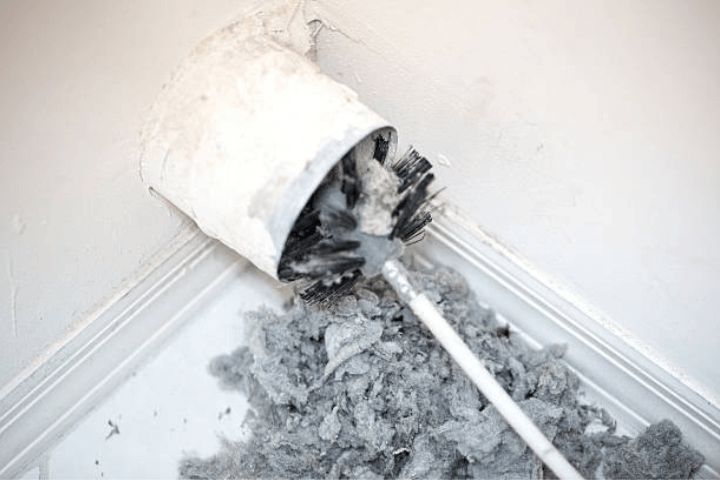
Yes. A clogged dryer vent can trap lint, moisture, and other contaminants, impacting air quality and increasing fire risk. Regular dryer vent cleaning helps keep your home safe and efficient.
Right Way to Think About Indoor Air Quality Solutions for Your Home
Instead of choosing between duct cleaning and an air purifier, focus on the source of the problem first.
- Clean the HVAC System: If your ducts have not been cleaned in years or have been exposed to renovation dust, moisture, or heavy use, start there.
- Include Component Cleaning: Blower and coil cleaning are essential for improving both air quality and system performance.
- Consider UV-C Protection: UV light systems can help prevent mold and bacterial growth inside the HVAC system after cleaning.
- Use Air Purifiers as a Supplement: HEPA air purifiers are effective for allergies, pets, and high-traffic rooms, but they work best alongside a clean HVAC system, not as a replacement for one.
Breathe Clean Air Every Day with Delta Clean Air
Choosing the right indoor air quality solution for your home does not have to be complicated when you know what each option actually does.
At Delta Clean Air, we have spent 20 years helping Boston homeowners and property managers build genuinely clean indoor environments, not just ones that look or smell temporarily better. Our residential air duct cleaning goes through the entire system, not just the accessible portions. Our technicians clean the ducts, the blower assembly, the evaporator coil, and the registers because those components all affect the same air your family breathes every day.
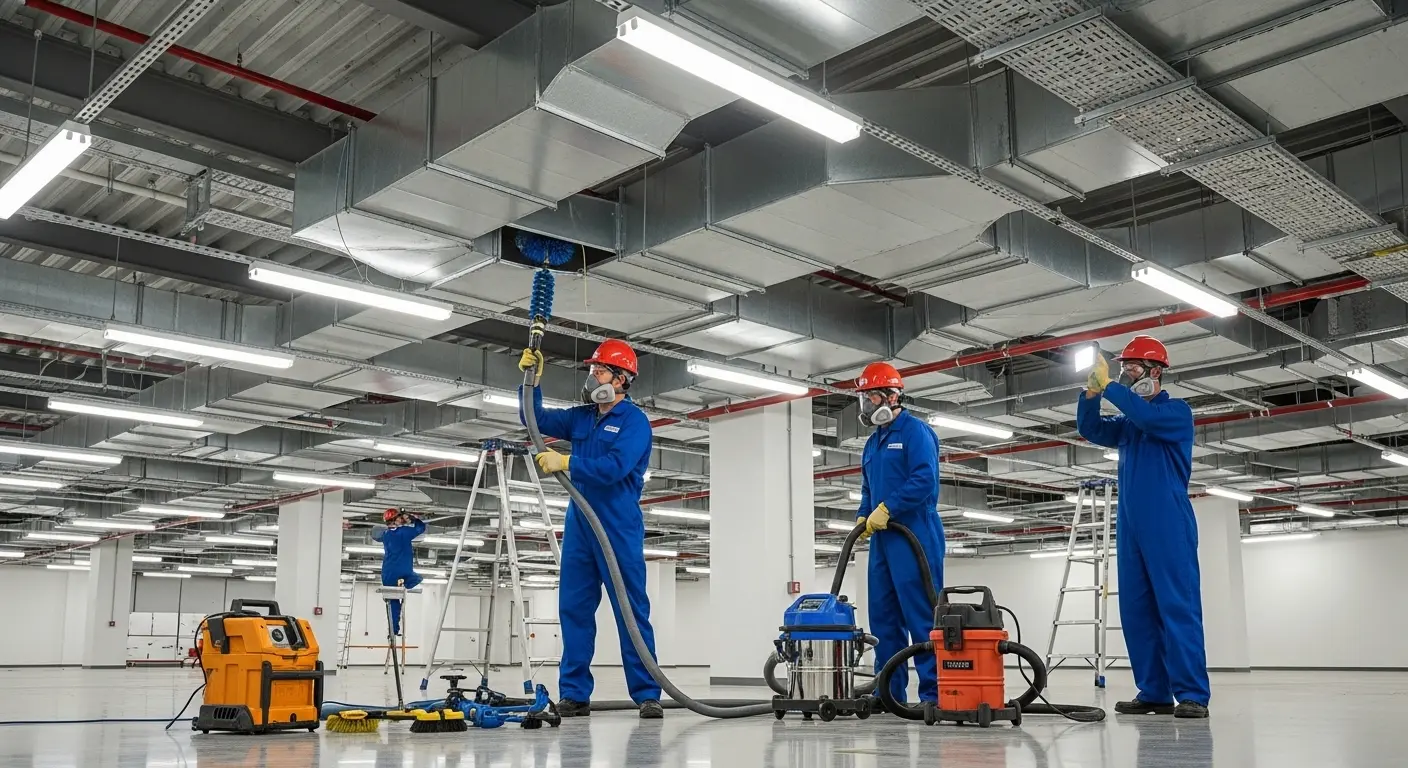
We handle commercial properties with the same thoroughness we bring to residential work, and our renovation air duct cleaning service is built specifically for homes that have been through construction or remodeling work. For properties with biological air quality concerns, our duct disinfecting service and UV light installation give you tools that go beyond surface-level cleaning.
We also take care of dryer vent cleaning, chimney cleaning, and chimney inspection services for Boston-area homeowners who want a comprehensive approach to the health and safety of their home environment.
We serve Boston and communities throughout Massachusetts, including Worcester and Springfield.
Call Delta Clean Air at (617) 644-4977 to schedule your inspection and get a free quote.