
Let’s start with the cleaning most people know about. Regular HVAC cleaning focuses on basic maintenance tasks. It keeps the system clean and prevents dirt from piling up too quickly. Also, it keeps the airflow smooth enough for normal operation.
Think of regular HVAC cleaning like your car’s oil change. It keeps the machine in good shape. It prevents breakdowns. But it doesn’t rebuild anything.
Let’s discuss the difference between regular HVAC unit cleaning vs. deep HVAC unit cleaning:
What Regular HVAC Unit Cleaning Includes & Doesn’t Include?
Cleaning or Replacing Air Filters
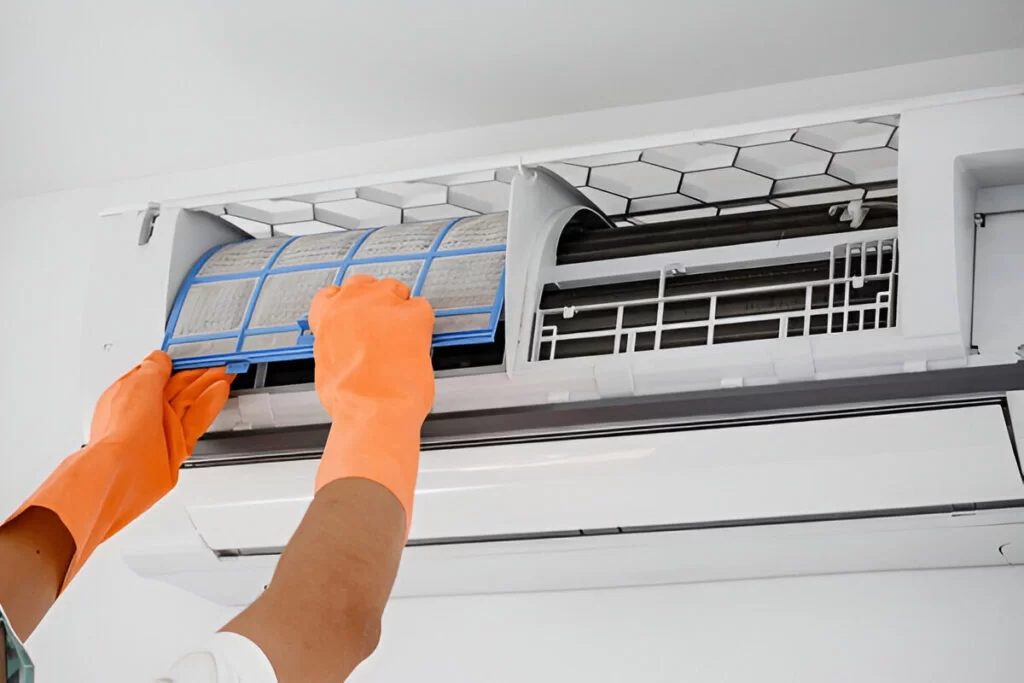
Your air filter sits at the front line of your system. It traps dust, pollen, lint, pet hair, and the tiny particles you never see. As the filter works, it fills up fast. A clogged filter blocks airflow and forces your HVAC system to work harder than it should. That strain increases your energy bill and reduces your comfort.
During regular cleaning, the technician removes disposable filters and replaces them with fresh ones. If you use washable filters, the technician rinses them thoroughly and dries them before putting them back. This one small step protects every other part of your HVAC system and improves the air you breathe.
Basic Outdoor Unit Cleaning
Your outdoor condenser unit deals with weather, dust, leaves, grass clippings, and insects every day. Dirt collects around the fins and restricts airflow. That restriction makes the system heat up and lose efficiency.
The technician clears all visible debris from the top and sides of the condenser. They remove leaves, mud, and grass stuck inside the grille. They straighten minor bent fins so air can move smoothly again. They wash the outside casing to remove dirt buildup. This simple cleanup helps the condenser breathe and cool efficiently.
Light Indoor Unit Cleaning
This includes:
- Wiping accessible surfaces
- Brushing dust off the blower assembly areas
- Clearing light debris
- Checking the drain line for clogs
- Cleaning the drain pan
This is a surface-level cleanup. It doesn’t open sealed parts or reach deep debris.
Also read: How a Dirty Outdoor Unit Pollutes Your Indoor Air?
Checking Refrigerant Levels
Refrigerant plays a major role in how well your system cools. The technician checks the refrigerant level to make sure it stays within the correct range. A drop in level can signal a leak or a performance issue.
This step focuses only on confirming the condition. It doesn’t fix leaks or recharge the system. It simply tells you whether the system operates the way it should.
Thermostat and Control Checks
Your thermostat controls the whole system. If it reads temperatures incorrectly or loses communication, your HVAC won’t cool or heat properly.
During regular cleaning for residential or commercial area, the technician checks that your thermostat responds correctly to commands. They inspect the wiring for loose or damaged connections. They make sure the control board communicates with the indoor and outdoor units without delays.
Basic Duct Inspection, Not Deep Cleaning
Your technician takes a quick look inside the closest duct opening. They check for visible dust, cobwebs, or debris. This is a simple inspection meant to identify early signs of duct issues.
This step is not deep cleaning. There are:
- No rotary brushes
- No industrial vacuum
- No fogging
- No scrubbing
- No access to deeper duct areas
It’s a basic glance to see whether you might need professional duct cleaning later.
Routine Performance Testing
They measure:
- Airflow
- Temperature difference
- System pressure
- Motor amp draw
This tells you how the system runs.
What Regular Cleaning Does NOT Include
Regular cleaning looks simple because it is simple.
It does NOT include:
- Coil removal
- Coil chemical washing
- High-pressure cleaning
- Mold treatment
- Deep duct scrubbing
- Blower wheel removal
- Disassembly of major components
- Internal motor cleaning
- Decontamination
- Drain line flush with pressure
- Evaporator chamber cleaning
Regular cleaning keeps the system running. But it doesn’t restore it.
What Deep HVAC Cleaning Includes and Why It’s a Completely Different Service
Deep cleaning takes everything several steps further. It targets the hidden areas where dirt hides. It reaches the places regular cleaning never touches. If regular cleaning is an oil change, deep cleaning is a full engine tune-up.
Deep cleaning transforms your system from the inside. It removes built-up dust, mold, bacteria, and grime that slowly choke your system.
Here’s what deep HVAC cleaning includes:
Full Coil Removal and Chemical Cleaning
This step makes the biggest difference. The evaporator coil plays a major role in cooling. It absorbs heat from your home. Over time, the coil traps dust, lint, and greasy buildup that sticks between its fins.
During deep cleaning, technicians remove the evaporator coil or clean it thoroughly in place using approved chemical cleaners. They wash every fin, corner, and surface to remove old dirt and buildup that normal cleaning never reaches.
Why does this matter?
Because a dirty coil stops absorbing heat properly, your cooling weakens. Your humidity rises. Your system runs longer and uses more power. You feel warm even when the thermostat says things are fine.
A deep coil cleaning restores efficiency almost instantly. It allows the coil to pull heat out of the air again. You feel stronger, cooler, and have better airflow. Your energy bill drops. Your system responds faster. It feels like new.
Thorough Blower Wheel and Motor Cleaning
The blower wheel collects thick layers of dust like a fan in a bathroom. This slows the wheel and reduces airflow.
Deep cleaning removes the blower wheel, washes it, and cleans the motor area. This step:
- Restores airflow
- Improves temperature distribution
- Reduces noise
- Protects the motor from overheating
Regular cleaning never includes blower removal.
Also read: Control Mold Growth in Your HVAC System by Air Duct Cleaning
Drain Line Flushing with Pressure
Your drain line removes moisture from your system. Algae, sludge, and mold love this line because it stays wet and warm. Over time, the line clogs. You may see water leaking from the indoor unit or the drain pan overflowing.
Deep cleaning solves the problem with pressure flushing. The technician uses specialized tools to push cleaning solution and high-pressure air through the line. This clears the entire drain path, not just the front opening.
This prevents leaks, water damage, and mold growth inside your unit.
Deep Outdoor Unit Cleaning – Internal and External
The outdoor condenser coil gets clogged with:
- Dust
- Mud
- Grass
- Tree sap
- Exhaust pollution
- Airborne debris
Deep cleaning includes removing the entire top section of the condenser unit, exposing the coil from all sides, and washing it thoroughly. This restores proper airflow and cooling efficiency.
Full Evaporator Chamber Cleaning
The evaporator chamber sits behind the coil. It stays dark and humid—perfect conditions for mold, bacteria, and biofilm to grow. These contaminants cause unpleasant smells and poor indoor air quality.
Deep cleaning involves scrubbing and sanitizing the entire evaporator chamber. The technician removes sludge, mold traces, and sticky dirt that form inside this area. They eliminate musty odors and restore a cleaner internal environment.
This step improves cleanliness, reduces odors, and supports healthier airflow.
Duct Cleaning
Deep duct cleaning uses negative-pressure vacuum systems and rotary brushes. It removes:
- Dust
- Mold spores
- Pet dander
- Dead insects
- Construction debris
- Allergens
This improves air quality. Some companies include duct cleaning as an add-on. Some bundle it. Ask before booking.
Detailed Sanitization and Disinfection
Deep cleaning often includes sanitizing solutions approved for HVAC systems. These solutions kill bacteria and odor-causing germs.
This step helps anyone with:
- Allergies
- Asthma
- Sinus issues
- Sensitivity to dust or mold
Regular cleaning cannot deliver this level of hygiene.
Full System Reassembly and Testing
After cleaning, the technician puts everything back together and tests the system:
- Airflow increases
- The temperature drop improves
- Cooling becomes faster
- Humidity control stabilizes
- Energy use drops
Your system feels new again.
The Results You Get from Regular Cleaning vs. Deep Cleaning
Let’s compare the results side by side so the difference becomes crystal clear.
Regular Cleaning Results
You get:
- Cleaner filters
- Better airflow than before
- Some dust removal
- Stable energy use
- Quieter operation
- Fewer small issues
Regular cleaning slows the decline of your HVAC system. It doesn’t reverse the decline.
Deep Cleaning Results
You get:
- Almost restored factory-level airflow
- Strong cooling
- Lower humidity
- A clean coil
- A clean blower
- Mold and bacteria removal
- Cleaner indoor air
- Lower energy bills
- Longer system life
- Stronger performance in peak summer
Deep cleaning reverses years of dirt buildup.
How Often Should You Do Each Type of Cleaning?
Regular Cleaning Frequency
Do this every 3 to 4 months.
You may need more frequent cleaning if:
- You have pets
- You live near a road
- You live in a dusty area
- Someone smokes indoors
- You run your HVAC 24/7
- You have allergies
Deep Cleaning Frequency
Do this once every 12 to 18 months.
Some situations require deep cleaning sooner:
- Visible mold
- Weak cooling
- Strange smells
- High humidity indoors
- Noise from the blower
- High energy bills
- You bought a used home
- You renovated your home
- Your system never had a deep cleaning before
When You Should Choose Regular Cleaning Instead of Deep Cleaning
Regular cleaning works best when:
- The system is relatively new
- You clean it consistently
- The airflow still feels strong
- No odors come from vents
- No mold or dust issues exist
- Your energy bill stays normal
- Cooling time feels normal
Regular cleaning is preventive. It maintains, but it doesn’t correct.
When You Should Choose Deep Cleaning Without Delay
Choose deep cleaning if you notice:
Weak airflow
If your AC blows weak air even at full speed, you likely need deep coil and blower cleaning.
High humidity
Dirty evaporator coils can’t remove moisture efficiently.
Rising energy bills
Your system works harder when dirt builds up.
Musty or dirty smell
This usually means mold, debris, or dirty ducts.
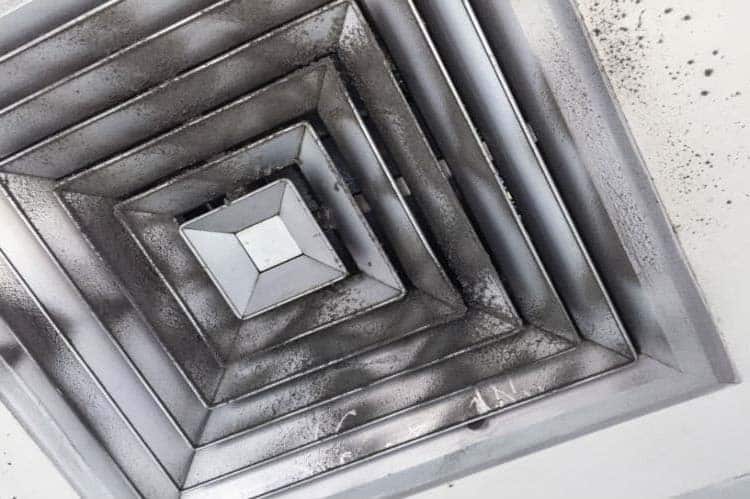
Visible dirt on vents
This means a much bigger mess inside.
Dust buildup inside the house
Your HVAC is circulating dust.
Water dripping from the indoor unit
The drain line is clogged.
The system is running longer than usual.
Dirty coils cause this problem.
Deep Cleaning vs. Regular Cleaning: A Simple Comparison Table
| Feature | Regular Cleaning | Deep Cleaning |
| Filter cleaning | Yes | Yes |
| Coil cleaning | Light only | Full chemical wash |
| Blower cleaning | Basic wipe | Full removal + deep wash |
| Drain line cleaning | Light cleaning | Pressure flush |
| Mold removal | No | Yes |
| Duct cleaning | No | Yes (if included) |
| Air quality improvement | Moderate | High |
| Cooling performance | Slight improvement | Major improvement |
| Time required | 20–30 min | 2–4 hours |
| Cost | Low | Higher |
| Impact | Maintenance | Restoration |
How to Decide Which One You Need Today
Ask yourself these questions:
Does your AC cool slower now? If yes, you need deep cleaning.
Does your home feel humid? Deep cleaning helps.
Do you feel dust on furniture more often? Deep cleaning clears ducts and blower dust.
Do you smell anything from the vents? That points to mold or debris.
Has it been more than a year? Time for a deep clean.
Did you recently renovate your home? Construction dust hides everywhere. Deep cleaning removes it.
Do you want to reduce your energy bill? Deep coil cleaning makes a big difference.
Choose the Right Cleaning HVAC Unit Cleaning at the Right Time
Are you still confused whether you need regular or deep HVAC unit cleaning? Contact Delta Clean Air. Our experts will inspect your unit and recommend the right service. Not only this, but they will thoroughly clean the unit, leaving no contaminant behind.
Call us now and schedule an appointment.